Beatboxing champs Kenny Urban and NaPoM of the Beatbox House are offering live online beatboxing lessons on Lessonface, and we are stoked! They were kind enough to join us at our 3rd anniversary celebration in February - with fellow Beatbox House member Chris Celiz - to shoot some quick tutorial videos.
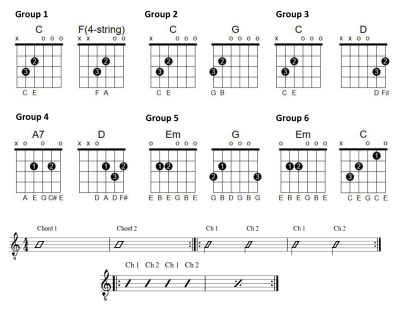
Practice switching back and forth between the interval or chord shapes grouped together in pairs above. Follow the strum suggestions as shown in the video (and listed here). Start with whole note or four-count strums. When you feel your fingers are moving together fairly easily, shorten the time between changes, shifting to half note and quarter note strums.
Perhaps you’ve listened to the wonderful recordings or Pavarotti and Maria Callas and wonder how they have such powerful voices. Or maybe you’ve caught an opera or two live on the stage or on the big screen, and now are inspired to learn more about the genre. Here is a beginner's guide on learning how to sing opera!
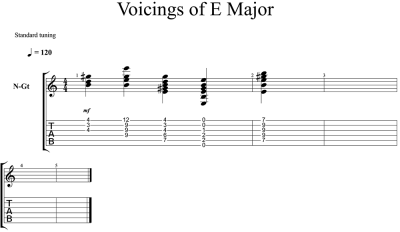
This lesson will discuss new ways to play familiar chords up and down the neck of your guitar. If you know of only 2 or 3 positions to play an E major chord on the guitar this lesson will help you find fresh ways to fill up melody and rhythm with familiar chords.
Chordal Voicings is a fancy term referring to position of chords on the guitar neck. Most guitarists begin guitar learning barre chords and the standard E, A, D, C, and G shapes.
Professor Ben Sher gives an introduction to jazz on guitar and piano in this video tutorial. The files linked below are referred to in the video. You can download all the files by clicking here.
Watch the video for this excellent exercise for building strength and dexterity in your fingers, as demonstrated by artist development coach Nikiya Exantus.
As guitar players, generally, we learn a few chords, play a few tunes, buy more gear and even join a band before understanding much about music theory. As we get better most of us start to get curious about how things work and start to study some music theory. We work hard and we start to get good about understanding the basics but things can become very frustrating when we see that Cadd13 chord and have no idea how to play it.
Lessonface has rolled out some new updates to better serve our growing community. As you look around the site you may notice some subtle changes, and some larger ones too. Since our launch in 2013 we have been growing from your referrals, and listening to your feedback, and striving to make the site as fair and functional as it can be. We hope you like the updates! Please let us know what you think in the comments or in the anonymous feedback form here.
Here is a quick overview of what has been updated.
Professional musicians structure their practice to make the most of their time. They often have many projects going on at once and have to prepare for various rehearsals and performances at the same time. When they sit down to practice, they know exactly what they need to accomplish, how they will accomplish it, and how long they will need to spend on each task.