There are many distinct types of scales in music and most beginner guitar players are not really able to play more than one or two; so today we will be talking about how to transform one basic minor scale into three different ones in just a couple of steps.
Children as young as three years old can begin to start singing in a healthy way. The key to healthy singing starts with warming up the voice. By practicing healthy vocal technique right from the very beginning, your child will learn about about proper vocal health.
Take a look at this video that demonstrates some beginning warmups that a young singer can try at home:
Lessonface is moving offices today, so if you are trying to reach us we may take an extra 15 minutes to get back to you. We should be all set up by the end of day and fully back online in our normal hours by tomorrow, Tuesday August 18th. We're just moving across town, and will still be in Brooklyn.
If you find you need assistance, emailing [email protected] will probably yield the quickest results.
If you are starting to compose your own songs, enjoy jamming with friends, or just got hired to play in your first band - Being able to create guitar leads is definitely a must!
But how can we do that?
Although it s always a good idea (and FUN) to noodle around a scale until we find something cool, it is also important to be able to come up with something good on the spot!
If you have ideas about online music lessons and ways you think Lessonface could be improved, we would love to hear from you. Send us your suggestions here.
We have some really cool updates in the works for Lessonface that we will be rolling out this month and throughout the fall so this is a really good time to potentially have your input be put into effect with a quickness.
I first came up with my concept for Fretboard Harmony when I was asked to teach a course by that name for the Berklee Guitar Sessions Program. I agreed to teach the course, and then realized I had no idea what that meant: How was fretboard harmony different than regular harmony? I thought about this, and decided to examine how harmony presents itself on the guitar.
We educators consistently read research that points to the fact that technology can be a great pedagogical tool for the classroom. Given its ubiquity in the mobile age as well as the increase in the popularity of electronically-generated-or-enhanced music, this statement has probably never been more true for the music classroom.
Over here at Lessonface we did some curating for you to find some of the best apps, tools, and gadgets that you can implement into your music classroom. Know and love a tool that we didn't mention? Share the wealth in the comments section below.
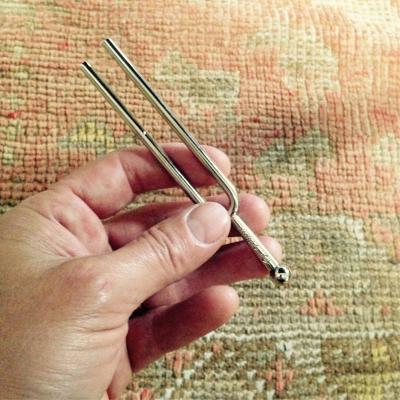
The miracle of digital tuners and their evolution toward clip-on and app-based tuners has made life better for many a guitarist, but it’s still great to be able to tune your guitar by ear using a tuning fork or some other reference note, like from your friend’s guitar, or a harmonica or piano or some other instrument--anything that doesn’t need a battery! Tuning forks are cool because they are very small and cheap, easily fit in your guitar case or gig bag, and never run out of power. Mine is made in Germany by Wittner and cost less than six bucks. I use it all the time.
Things are busy here at Lessonface over these sweet summer months. Teachers are writing great pieces on a variety of topics for your reading pleasure. We had a booth at NAMM. We want to mail you some guitar reference materials, on us. If you're into it, read on.
Lessonface Notes Program Launches
Frequent visitors to these pages may have noticed a surge of great articles over the past month, written, for the most part, by teachers, and filed under "Notes."