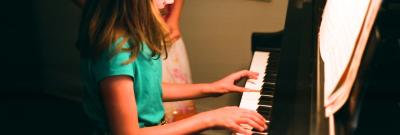
Many people are eager to start learning how to play the piano, but become overwhelmed when first starting out. Here I have broken down how to first start reading piano music into three simple steps. I hope this will encourage you to begin learning how to play the piano or pick up again where you left off!
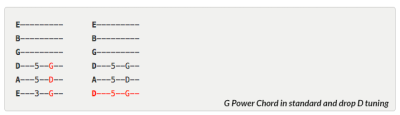
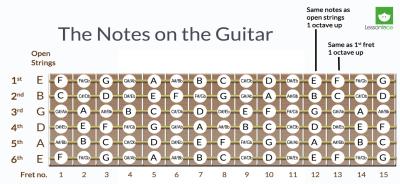
One question I tend to get a lot is about alternative tunings on the guitar, which is nothing more than messing with your standard way of tuning the guitar ( E B G D A E) in order to have different open strings which will create the ability of playing certain chord voicing that normally would be hard or impossible to reach.
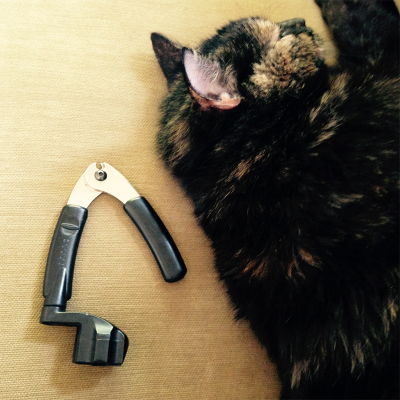
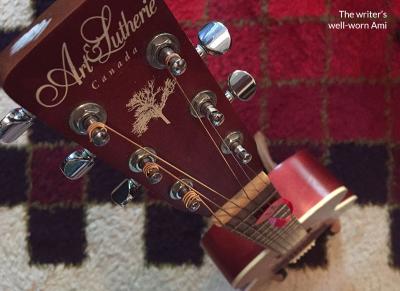
Changing strings on you guitar can be frustrating, even a little frightening (“what if the string breaks and pops me in the eye?”). But whether you like to change them often to maintain that crisp, new-string sound, or if you like to leave them on for months or years until they’re caked with rust, or even if you only ever change a string when it breaks, if you play the guitar, you’ll have to change strings sometime.
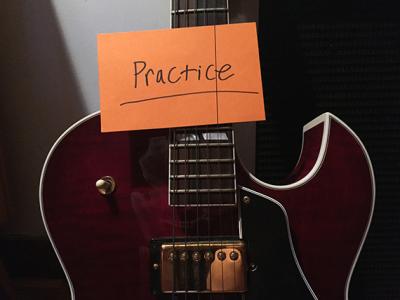
Everyone needs to practice to become proficient on their instrument. I personally have spent countless hours (and still do) doing exactly that—all in pursuit of a deeper rapport with the guitar. Ambitions vary greatly, as does the amount of time needed to achieve the goals that are aspired to. It’s an ongoing process which never really ends as long as the musician retains the desire to evolve.
Many students are skeptical of taking voice lessons, thinking, “Do I really need to take lessons to train my voice?” The answer is yes! If you want to learn how to sing with proper technique, and with good vocal health, then taking voice lessons with a professional vocal coach will help you grow tremendously as a singer!
Here are some of my tips to help show you how beneficial it is for you to work with a Vocal Coach:
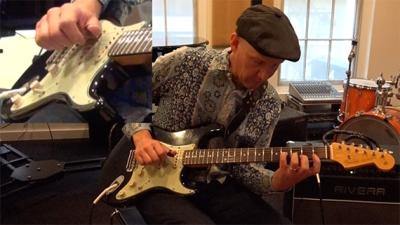
Check out these quick intros to country electric, jazz fusion, folk, electric blues, and jazz by John Heussenstamm. Known for his popular educational books from Hal Leonard publishers and his radical playing technique, John is a real find as a teacher.