







Find Classical Piano Lessons with Excellent Teachers
Grow your skills with the guidance of a great Classical Piano teacher. Explore live online Classical Piano lessons, group classes, and self-paced courses — all led by qualified teachers and reviewed by your fellow students.
View Teachers Related Topics
Discover experienced, passionate Classical Piano teachers to help you reach your next level.
100+
Vetted Teachers
5.0
Average Rating
890+
Student Ratings
~$36
Avg. Lesson Price
View All Teachers

3 yrYears
Teaching on Lessonface
Sunny Li
Sunny is a piano teacher from China ,she graduated from Fujian normal university with a M.A in Professional Music.and is a member of Chinese Musicians' Association.she started learning piano since age 6 and began with traditional classical studies, While at university ,she concentrated on Piano Performance and Teaching .her education also strengthened her skills in Music The
$15.00 / 30 min

7 yrYears
Teaching on Lessonface
Esther Howard
My passion is music! I started to play the piano and violin when I was five years old. Through the years, I learned many instruments, but finally focused on violin.
$29.00 / 30 min

5 yrYears
Teaching on Lessonface
Igor Drazevic
I am the piano teacher who shows love and a positive spirit at each lesson. I accept everyone at their level of music development with encouragement to be their best. I want them to love music and enjoy playing the piano.
$20.00 / 30 min

New to Lessonface
Eileen Li
I believe piano study is more than technique; it is a meaningful journey of expression and personal growth. Every student learns differently, and my teaching honors each individual’s learning style, mindset, and goals.
$30.00 / 30 min
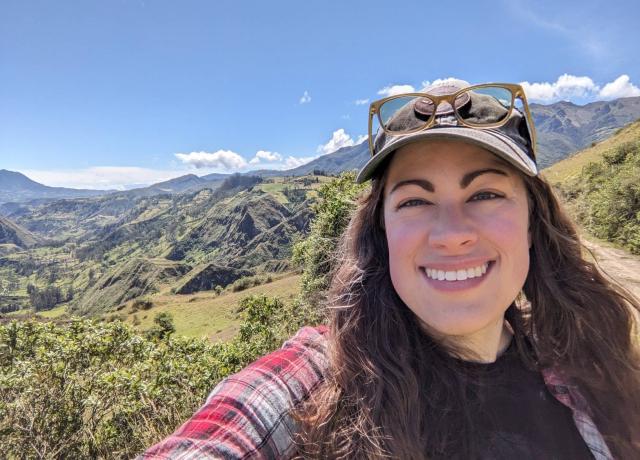
Photo: Jillian Comrie
Miss Jillian is a fantastic piano teacher. I was hesitant about online lessons and am SO glad I had my kids give it a shot. Jillian has no problem keeping them engaged, on task, progressing and having fun week after week. I am blown away with how much both my kids are learning. Jillian truly cares about my children and genuinely gets to know them. She remembers details about their lives and uses those details to connect during their lessons. Her personal talent and expertise never ceases to impress me! My youngest took lessons from age 7-8 and learned so well. My oldest began lessons with Miss Jillian when she was 8 and continues to enjoy learning piano at age 11.

Want help finding your ideal classical piano teacher?
Fill out the quick form and teachers who fit your needs will be in touch.
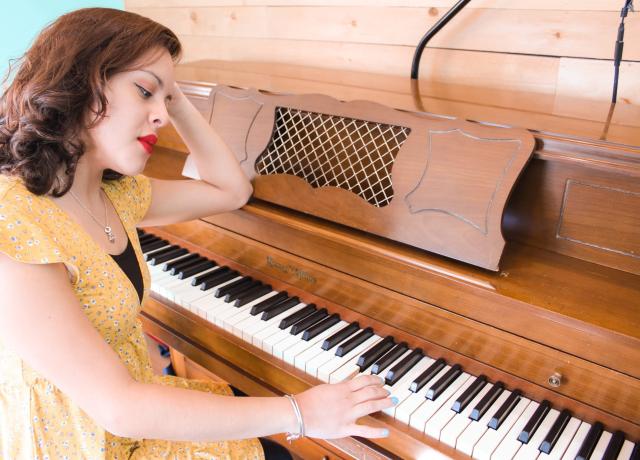
Photo: Rebeca Torres


Great Classical Piano Teachers
Through our longstanding commitment to treat teachers equitably, we work with phenomenal instructors — including members of the MET Orchestra, Juilliard and Berklee alumni, GRAMMY® winners and nominees, and many other professional educators.
View Teachers 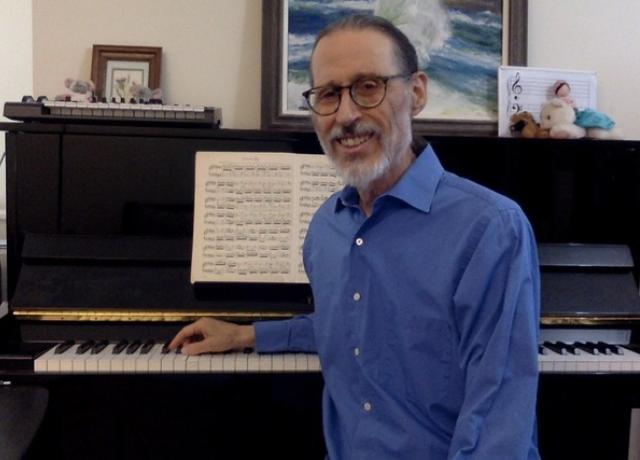
Photo: Paul A Miller
About Classical Piano Lessons at Lessonface
Find a great teacher, securely book a first lesson or trial, and meet via Zoom. Lessonface handles the lesson links and sends you reminders. Recordings, assignments, and notes are easy to access before, during, and after the lesson.
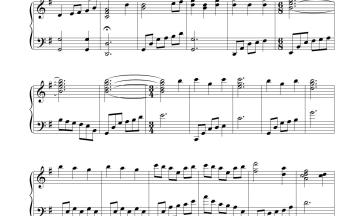
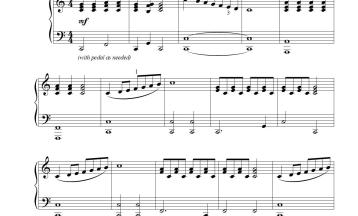
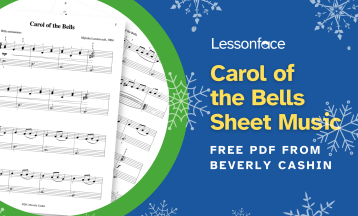
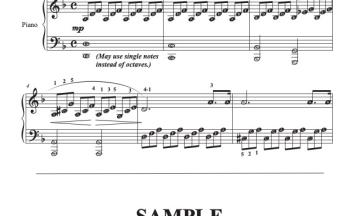
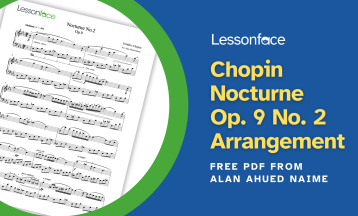
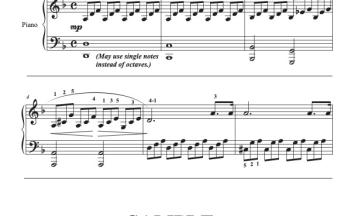
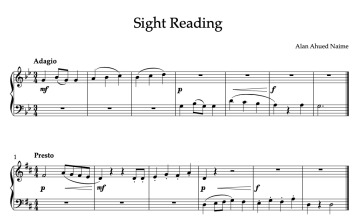
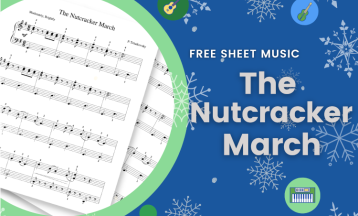
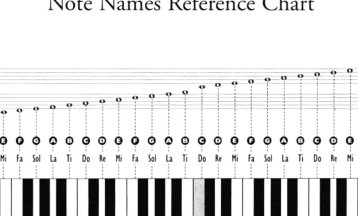
View Teachers Downloadable materials include packs, guides, and exercises to help you learn.
15
Downloadables














Latest from the Blog
Tips, stories, and interviews from the Classical Piano community.
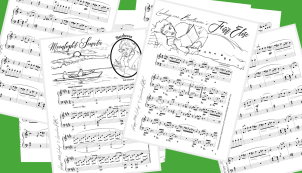
The Beloved Women at the Heart of Beethoven’s Für Elise and Moonlight Sonata
Read more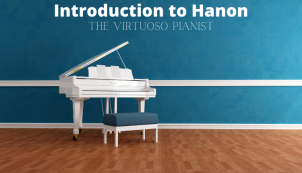
Hanon Piano Exercises to Improve Your Playing Technique for Online Lessons
Best piano playing finger exercises for online piano lessons. Learn with live online music teachers to practice Hanon piano exercises. These exercises are known to help improve your piano technique using The Virtuoso Pianist by Charles Louis Hanon. Perfect for all piano players, for online piano lessons, warm-ups. Try the first few exercises free with our Lessonface downloadable pdf Hanon exercises.

Lessonface Guarantee
Reach out to tell us within 48-hours of taking an unsatisfactory lesson, class, or course, and we will offer you a refund. Read more about the guarantee.

Designed for All Ages
Creating a joyful, safe, and convenient educational experience for our students is our goal. Learn more about our kid-friendly features here, or read our privacy policy and safety precautions here.
Have more questions? Check out our FAQ, or reach out.
About Lessonface
At Lessonface, we've held our mission of helping students achieve their goals while treating teachers equitably for over ten years. We're here to help you connect to your ideal teacher and make real progress. Please reach out with any questions or concerns.
 Claire Cunningham
- Founder & CEO
What is the best method for learning Classical Piano ?
We're biased, of course, but at Lessonface we believe the best way to learn Classical Piano is through one-on-one lessons. Personalized instruction means your teacher can tailor every lesson to your goals, learning style, and skill level. Online group classes can also be a great way to make learning fun and social. Learning Classical Piano online makes it easy to stay consistent, which is essential to steady progress.
There are plenty of apps and YouTube videos out there to help with learning Classical Piano, but most teachers agree that those resources work best as supplements to, not replacements for, one-on-one instruction. A skilled Classical Piano teacher can identify bad habits before they become ingrained, help you focus on what matters most, and solve problems as soon as they arise, often saving you months of frustration and wasted practice time. The bottom line? A real teacher accelerates your progress and keeps you on the right path from day one.
How do online Classical Piano lessons work?
Online lessons are effective, affordable, and accessible. Lessonface qualifies teachers in over 300 music, language, and arts subjects, including Classical Piano. Students can browse teachers' profiles, send them messages, and book lessons securely through Lessonface. Lessons happen via Zoom links that are securely generated for each lesson, and can be easily recorded by the teacher. Recordings, notes, and attachments can all be accessed from within the Lessonface dashboard. Lessons can be booked one at a time, in packages, or by subscription to save a spot on the teacher's calendar. Lessonface hosts recitals, open mics, group classes, and self-paced courses too. Registering an account is free so it's easy to get started reaching out to find your ideal instructor. Contact us with any further questions!
How do I find the best teacher for me for Classical Piano lessons?
With over 100 qualified Classical Piano teachers who have together earned an average of 4.99 out of 5 stars over 891 lesson reviews by verified students, you can be sure to find a great instructor at Lessonface.
Lessonface offers free tools to help you find the ideal tutor for you or your family:
- Use the open filtering system
- Use our matching service to describe your background, scheduling preferences, and any particular goals, and qualified Classical Piano teachers will respond.
You can view teachers' bios, accolades, rates, send them a message and book lessons from their profiles.
Many teachers offer a free trial, and you can book lessons one at a time until you decide you prefer to book a bundle or subscribe, so don't hesitate to try. Teachers may also offer group classes, self-paced courses, and downloadable content, so there are more ways to get started while you're still getting acquainted with the community.
How much do Classical Piano lessons cost?
Classical Piano teachers on Lessonface set their own rates. Rates are displayed on the teachers' profile pages and in the checkout process prior to booking. Teachers may choose to change their rates for new bookings, and students will always be notified prior to making payment. The average paid for a Classical Piano lesson on Lessonface in the past 12 months was $29.79.
The average paid for a Classical Piano lesson 5 years ago was $28.84. Some Classical Piano teachers offer a free trial lesson to new students, which are not factored into the average prices.
How does payment work for Classical Piano lessons?
There is no fee until you book your first paid lesson. Many teachers offer free trial lessons. Students can opt to book one a time, or purchase lesson packages or subscriptions for scheduling convenience, and, depending on the teachers, a discount. Payment can be made by credit card or Paypal. Lessons booked with a subscription are pre-paid three days before the end of the month for lessons that are scheduled for the following month. Subscription payments can only be made by credit card (not Paypal). Teachers receive their payment after the lesson has been completed.
Do I need an acoustic piano to take classical piano lessons, or will a keyboard work?
A keyboard can absolutely work, especially when you're just starting out. For complete beginners, the most important thing is having something to practice on consistently, and a decent keyboard gets you there without the cost or space demands of an acoustic piano.
That said, for serious classical piano study, weighted keys and touch sensitivity can matter more than they might for other styles. Weighted keys simulate the resistance of real piano keys and help you develop the finger strength and sensitivity that classical playing requires. Touch sensitivity means that the keyboard responds to how hard or softly you press the keys, which is essential for developing dynamics and expression in classical music.
As you advance, the differences between a keyboard and an acoustic piano become more significant. But for beginners and even intermediate students, a well-chosen digital instrument is a perfectly reasonable starting point. Your teacher can help you evaluate what you have or advise on what to look for if you're shopping.
Do classical piano students need to read music or learn music theory?
For classical piano specifically, learning to read music is pretty much essential. Unlike some other styles where you can get far by ear or with chord charts, classical repertoire is built around written notation — and the ability to read it opens up centuries of incredible music. Most classical piano teachers will begin introducing note reading from the very first lesson.
The good news is that learning to read music is more approachable than it looks from the outside. Most beginner method books introduce notation gradually, in step with the music you're learning to play. You won't be expected to sight-read complex scores right away — it's a skill that builds steadily over time.
Music theory is closely related but a bit different. Theory helps you understand what you're playing — how chords are built, how keys and scales work, how musical phrases are structured. Classical piano study naturally incorporates a lot of theory, often without making a big deal of it. As you learn pieces, your teacher will point out patterns and concepts that deepen your understanding of the music.
Some students worry that music theory is dry or overly academic. In practice, it tends to make learning easier and more interesting, not harder. Understanding why a passage works the way it does helps you learn it faster and remember it better.
Neither skill requires any prior background to get started. Both will develop naturally with good instruction and consistent practice.
Can adults learn classical piano as beginners?
Yes, and more adults take up classical piano than you might think. Adults bring real advantages to learning: focus, patience, and the ability to understand and apply feedback in ways that younger students often can't.
Busy adults should keep in mind that consistent practice matters more than long sessions. Even 20 to 30 minutes of focused daily practice adds up quickly, and most adults find it easier than expected to build a regular practice habit once they get started.
The classical repertoire is vast, and there is genuinely beautiful, satisfying music available at every skill level. Adult beginners don't have to spend years on exercises before reaching pieces they love. A good teacher will balance technical development with repertoire that keeps you motivated and engaged from early on.
It also helps to find a teacher with experience working with adult beginners specifically. The approach is somewhat different from teaching children, and a teacher who understands adult learning will set realistic expectations, respect your goals, and move at a pace that works for you.
Many adult students find classical piano to be one of the most rewarding things they've ever taken on. It's never too late to start.
How much should classical piano students practice each week?
A little every day beats a long session once or twice a week. Consistency is the single most important factor in piano progress, and shorter daily practice sessions are far more effective than cramming.
For beginning adults, 15 to 30 minutes of focused daily practice is a great starting point. As you advance and your repertoire becomes more demanding, that may grow to 45 minutes or an hour. Serious students working toward performance or exam goals may practice more, but for most recreational adult learners, 30 minutes a day is plenty to make steady, satisfying progress.
The quality of practice matters as much as the quantity. Mindlessly running through a piece from start to finish is much less effective than working slowly and deliberately on specific passages. Your teacher will help you develop good practice habits early on, which makes every minute at the keyboard count.
For children, practice expectations vary by age and level. Young beginners might start with just 10 to 15 minutes a day, with duration increasing gradually as they advance and their attention span grows. Your child's teacher will give guidance on what's appropriate for their age and goals.
One thing worth knowing: even a brief daily check-in at the keyboard keeps the music fresh in your fingers and your mind in a way that skipping days simply doesn't.
What are some good starter pieces for beginner classical piano students?
There's a wealth of beautiful music written specifically for beginner pianists, and getting to real, satisfying repertoire happens sooner than most people expect.
For children, pieces from the Suzuki Piano School are widely used and introduce students to recognizable classical melodies from the start. Many adult beginners start with pieces from method books like Alfred's Basic Piano Library or the Faber Adult Piano Adventures series. These introduce technique and reading skills through short, appealing pieces rather than dry exercises. From there, students typically move into early classical repertoire fairly quickly.
Some perennial favorites for early-level classical pianists include:
- Bartok's Mikrokosmos -- a collection written specifically to take students from beginner to advanced through musically interesting pieces
- Pieces from Bach's Anna Magdalena Notebook -- charming Baroque dance pieces that are approachable early on
- Beethoven's and Clementi's Sonatinas -- a satisfying next step as students develop confidence and technique
- Pieces from the Suzuki Piano School -- widely used with younger students, introducing recognizable classical melodies from the start
The best starter pieces are the ones that match your current level and keep you motivated. If you have a piece in mind that you love, even if it seems out of reach right now, tell your teacher. A good teacher will work toward your goals and find stepping-stone pieces that build the skills you need to get there.
Can I learn classical piano if I have small hands?
Yes, and you're in good company. Many accomplished pianists have navigated this question throughout history. Clara Schumann, one of the most celebrated pianists of the 19th century, was known to have relatively small hands. More recently, pianist Angela Hewitt has spoken openly about performing a vast classical repertoire without a large hand span.
Hand size does come up in classical piano because some repertoire (particularly works by composers like Rachmaninoff, who had an unusually large reach) includes chords and stretches that are genuinely challenging for smaller hands. But the vast majority of the classical repertoire is accessible regardless of hand size, and there is no shortage of beautiful, technically demanding music well within reach.
A good teacher will select and adapt repertoire with your hand size in mind, and will teach you strategies for managing larger stretches: breaking chords, using pedal creatively, or finding alternative fingerings that work for your hand. These are established techniques, not workarounds.
It's also worth noting that hand size matters much less in the early stages of learning. Beginner and intermediate repertoire rarely pushes the limits of a smaller hand span, so this is unlikely to be a concern for a long time.
If hand size is something you're worried about, bring it up with your teacher early. It's a common concern and one that experienced teachers are well equipped to address.