






Find Spanish Lessons with Excellent Teachers
Grow your skills with the guidance of a great Spanish teacher. Explore live online Spanish lessons, group classes, and self-paced courses — all led by qualified teachers and reviewed by your fellow students.
View Teachers Related Topics
Discover experienced, passionate Spanish teachers to help you reach your next level.

5 yrYears
Teaching on Lessonface
Carolina Amoruso
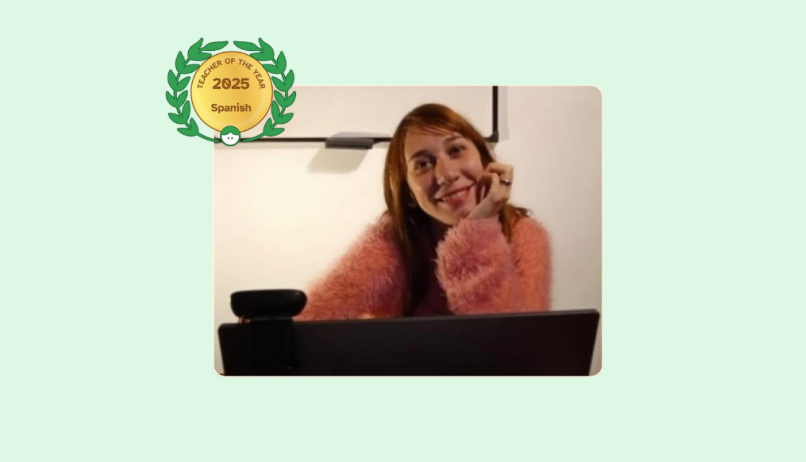
*Spanish Teacher of the year 2022* ¡Hola! My name is Carolina and I am a teacher of English in Buenos Aires, Argentina. I also hold a BA in Linguistics and a Diploma in Spanish as a Second or Foreign Language (ELE). As I am a Spanish native speaker, I offer Spanish conversation lessons about different up-to-date topics.
$30.00 / 30 min
6 yrYears
Teaching on Lessonface
Holly Lopez
¡Hola! Me llamo Señora Holly Lopez. Soy de Costa Rica y de Los Estados Unidos. I'm from Costa Rica and from Pennsylvania, USA! I have been a Spanish teacher for over 20 years. I have taught all ages from pre-school to adult. I am now retired from the classroom, and teach surfing on the beach in Quepos, Costa Rica 9 months a year. I am also a lifeguard. I live and
$20.00 / 30 min

6 yrYears
Teaching on Lessonface
Kieran Gilchrist
I am a professional guitarist and qualified music teacher with extensive experience as a soloist, accompanist, and band member across various genres including Rock, Soul, Funk, Folk, Latin, Reggae, Gypsy Jazz, Classical, and more. I play Lead Guitar for the band El Misti and we're about to release our 4th album in 2025.
$40.00 / 30 min

1 yrYear
Teaching on Lessonface
Adla Burza
Adla Burza was born in Sarajevo, Bosnia and Herzegovina. From an early age, she showed a deep passion for music, starting singing at the age of 4, beginning formal piano lessons at 11 and eventually writing songs at the age of 15.
$25.00 / 30 min
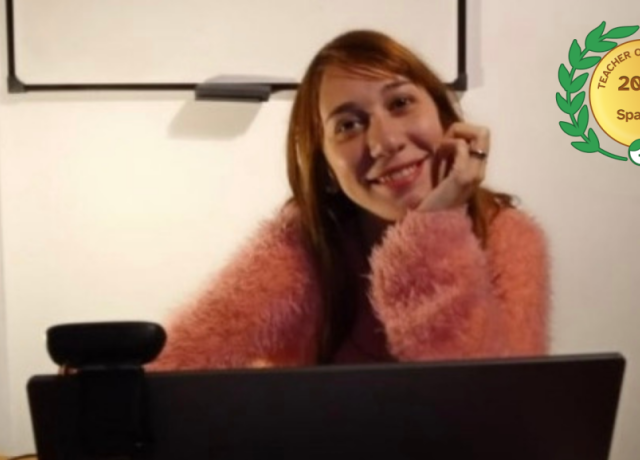
Photo: Carolina Amoruso
Carolina was wonderful! Very nice and knowledgeable and the lesson was very fun!! I am really excited to continue lessons with her!

Want help finding your ideal spanish teacher?
Fill out the quick form and teachers who fit your needs will be in touch.
Photo: Carolina Amoruso



Great Spanish Teachers
Through our longstanding commitment to treat teachers equitably, we work with phenomenal instructors — including members of the MET Orchestra, Juilliard and Berklee alumni, GRAMMY® winners and nominees, and many other professional educators.
View Teachers 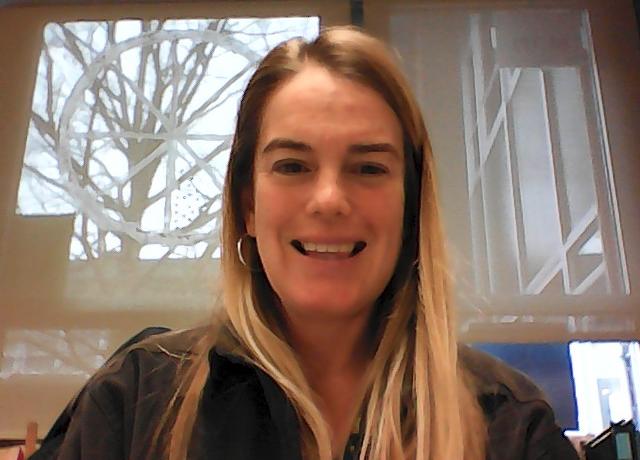
Photo: Holly Lopez
About Spanish Lessons at Lessonface
Find a great teacher, securely book a first lesson or trial, and meet via Zoom. Lessonface handles the lesson links and sends you reminders. Recordings, assignments, and notes are easy to access before, during, and after the lesson.
View Teachers 











Latest from the Blog
Tips, stories, and interviews from the Spanish community.
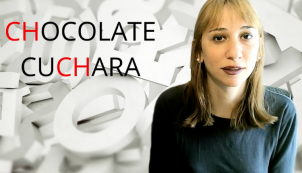
How to Pronounce Spanish Sounds in One Lesson
Read more
Lessonface Guarantee
Reach out to tell us within 48-hours of taking an unsatisfactory lesson, class, or course, and we will offer you a refund. Read more about the guarantee.

Designed for All Ages
Creating a joyful, safe, and convenient educational experience for our students is our goal. Learn more about our kid-friendly features here, or read our privacy policy and safety precautions here.
Have more questions? Check out our FAQ, or reach out.
About Lessonface
At Lessonface, we've held our mission of helping students achieve their goals while treating teachers equitably for over ten years. We're here to help you connect to your ideal teacher and make real progress. Please reach out with any questions or concerns.
 Claire Cunningham
- Founder & CEO
What is the best method for learning Spanish ?
We're biased, of course, but at Lessonface we believe the best way to learn Spanish is through one-on-one lessons. Personalized instruction means your teacher can tailor every lesson to your goals, learning style, and skill level. Online group classes can also be a great way to make learning fun and social. Learning Spanish online makes it easy to stay consistent, which is essential to steady progress.
There are plenty of apps and YouTube videos out there to help with learning Spanish, but most teachers agree that those resources work best as supplements to, not replacements for, one-on-one instruction. A skilled Spanish teacher can identify bad habits before they become ingrained, help you focus on what matters most, and solve problems as soon as they arise, often saving you months of frustration and wasted practice time. The bottom line? A real teacher accelerates your progress and keeps you on the right path from day one.
How do online Spanish lessons work?
Online lessons are effective, affordable, and accessible. Lessonface qualifies teachers in over 300 music, language, and arts subjects, including Spanish. Students can browse teachers' profiles, send them messages, and book lessons securely through Lessonface. Lessons happen via Zoom links that are securely generated for each lesson, and can be easily recorded by the teacher. Recordings, notes, and attachments can all be accessed from within the Lessonface dashboard. Lessons can be booked one at a time, in packages, or by subscription to save a spot on the teacher's calendar. Lessonface hosts recitals, open mics, group classes, and self-paced courses too. Registering an account is free so it's easy to get started reaching out to find your ideal instructor. Contact us with any further questions!
How do I find the best teacher for me for Spanish lessons?
With over 100 qualified Spanish teachers who have together earned an average of 5 out of 5 stars over 135 lesson reviews by verified students, you can be sure to find a great instructor at Lessonface.
Lessonface offers free tools to help you find the ideal tutor for you or your family:
- Use the open filtering system
- Use our matching service to describe your background, scheduling preferences, and any particular goals, and qualified Spanish teachers will respond.
You can view teachers' bios, accolades, rates, send them a message and book lessons from their profiles.
Many teachers offer a free trial, and you can book lessons one at a time until you decide you prefer to book a bundle or subscribe, so don't hesitate to try. Teachers may also offer group classes, self-paced courses, and downloadable content, so there are more ways to get started while you're still getting acquainted with the community.
How much do Spanish lessons cost?
Spanish teachers on Lessonface set their own rates. Rates are displayed on the teachers' profile pages and in the checkout process prior to booking. Teachers may choose to change their rates for new bookings, and students will always be notified prior to making payment. The average paid for a Spanish lesson on Lessonface in the past 12 months was $34.67.
The average paid for a Spanish lesson 5 years ago was $25.42. Some Spanish teachers offer a free trial lesson to new students, which are not factored into the average prices.
How does payment work for Spanish lessons?
There is no fee until you book your first paid lesson. Many teachers offer free trial lessons. Students can opt to book one a time, or purchase lesson packages or subscriptions for scheduling convenience, and, depending on the teachers, a discount. Payment can be made by credit card or Paypal. Lessons booked with a subscription are pre-paid three days before the end of the month for lessons that are scheduled for the following month. Subscription payments can only be made by credit card (not Paypal). Teachers receive their payment after the lesson has been completed.
How long does it take to learn Spanish?
The timeline for learning Spanish depends on what "learning Spanish" means to you. If your goal is holding basic conversations about everyday topics, you might reach that milestone in 3-6 months of consistent study. If you're aiming for professional fluency or discussing complex topics comfortably, expect 1-3 years of regular practice.
The Foreign Service Institute estimates that English speakers need approximately 600-750 hours of study to reach professional working proficiency in Spanish. That's one of the shorter timelines compared to other languages – Spanish shares significant vocabulary and grammar structures with English, making it more accessible for English speakers.
Your progress speed depends on several factors. How much time can you dedicate each week? Are you practicing between lessons or just showing up once weekly? Are you consuming Spanish media or seeking conversation practice? Students who immerse themselves daily through lessons, self-study, and real-world practice progress much faster than those treating it as a once-weekly activity.
Your learning goals matter too. Ordering food and asking directions requires far less study than negotiating business contracts or understanding regional humor. Be realistic about what level you actually need – you don't need perfect fluency to have meaningful conversations or enjoy travel.
One advantage of working with a qualified teacher is getting an assessment of your current level and a realistic timeline for your specific goals. They'll help you focus on the aspects of Spanish that matter most for your purposes, whether that's conversational fluency, professional vocabulary, or cultural understanding.
What's the best way to start learning Spanish as an adult?
The best way to start learning Spanish as an adult is to begin speaking from day one, even if it feels awkward. Adults often get trapped trying to master grammar rules and vocabulary lists before attempting conversation, but this approach typically leads to frustration and slow progress. The most effective method combines structured lessons with a teacher and consistent daily practice outside of class.
Start with a qualified teacher who can assess your learning style and goals. Adult learners have different needs than children – you might be learning for travel, work, family communication, or personal enrichment. A good teacher tailors lessons to your specific situation rather than using a one-size-fits-all curriculum. They'll also help you build confidence speaking, which is often the biggest hurdle for adult learners who feel self-conscious about making mistakes.
Between lessons, immerse yourself in Spanish however you can. Change your phone's language settings, watch Spanish shows with subtitles, listen to Spanish music or podcasts during your commute, or practice with language exchange partners. Adults learn best when they connect new information to real-world contexts, so look for opportunities to use Spanish in your daily life.
Focus on high-frequency vocabulary and practical phrases first. You don't need to know every verb conjugation before having a meaningful conversation. Learning the 1,000 most common Spanish words gives you enough vocabulary to understand roughly 80% of everyday speech.
One advantage adults have is the ability to understand grammar patterns and make conscious connections between languages. Use this to your advantage, but don't let perfectionism slow you down. Making mistakes is essential – every error is feedback that helps you improve.
Is it better to learn Latin American Spanish or Spain Spanish?
Neither is inherently better – the right choice depends on your specific goals and circumstances. If you're learning Spanish to communicate with family in Mexico, focus on Mexican Spanish. If you're planning to work in Spain, learn Peninsular Spanish. If you have no specific regional connection, Latin American Spanish (particularly Mexican or Colombian) is often recommended because it's spoken by the vast majority of Spanish speakers worldwide.
The good news is that all Spanish speakers can understand each other regardless of dialect. The differences between Latin American and Spain Spanish are comparable to the differences between American and British English – noticeable but not a barrier to communication. You'll encounter different vocabulary (a car is "coche" in Spain but "carro" in much of Latin America), different pronunciation (Spain uses the "th" sound for "c" and "z"), and some grammatical variations (Spain uses "vosotros" for informal plural "you" while Latin America uses "ustedes"). But the core grammar and most vocabulary remain the same.
Many adult learners worry too much about choosing the "right" dialect before they've even started learning. The truth is, in the beginning stages, the dialect matters very little – you're focused on fundamental grammar, essential vocabulary, and building confidence speaking. As you advance, you can always adjust your learning to match your specific needs.
Working with a qualified teacher gives you flexibility. Most experienced Spanish teachers can also help you understand regional variations so you're not confused when you encounter different accents or vocabulary.
How often should I take Spanish lessons to make progress?
Most adult learners see the best results with one or two lessons per week, combined with daily practice on their own. Weekly lessons provide enough structure and accountability to keep you progressing without overwhelming your schedule, while twice-weekly lessons accelerate your progress significantly if you have the time and budget.
The key factor isn't just lesson frequency – it's consistency between lessons. A student who takes one lesson per week and practices 15-20 minutes daily will progress much faster than someone taking three lessons weekly but never practicing in between. Language learning requires regular exposure and repetition to build neural pathways, and that happens through daily engagement with the language, not just during formal lessons.
What you do between lessons matters as much as the lessons themselves. Your teacher introduces new concepts, corrects your mistakes, and guides your learning, but you solidify that knowledge through independent practice. This might include reviewing vocabulary, practicing verb conjugations, listening to Spanish podcasts, watching shows with subtitles, or attempting to think in Spanish throughout your day.
Your schedule and learning goals also play a role. If you need conversational Spanish quickly for an upcoming trip, intensive practice with multiple weekly lessons makes sense. If you're learning for long-term enrichment, one lesson per week sustained over months or years builds solid proficiency. Adults with demanding work schedules might start with one lesson every two weeks, though progress will naturally be slower.
Many Lessonface Spanish teachers offer flexible scheduling, so you can adjust lesson frequency based on your availability and progress. Trial lessons let you discuss the right cadence for your situation and goals.
How can I improve my Spanish conversation skills?
The most effective way to improve Spanish conversation skills is to speak Spanish as much as possible, even when it feels uncomfortable. Many learners can read and understand Spanish reasonably well but freeze when trying to speak. This happens because conversation requires real-time processing – you're simultaneously listening, comprehending, formulating responses, and speaking, all while managing the anxiety of making mistakes.
Working with a teacher who focuses on conversational practice is crucial. They create a safe environment where mistakes are expected and corrected constructively. A good conversation-focused teacher will ask open-ended questions, introduce relevant vocabulary in context, and gently correct your errors without interrupting the flow of conversation. They'll also help you move beyond translating word-for-word in your head, which slows you down and creates unnatural phrasing.
Between lessons, seek out opportunities for Spanish input and output. Watch Spanish shows or YouTube videos without subtitles (or with Spanish subtitles only), listen to Spanish podcasts at normal speed, and practice speaking out loud even when alone. Narrate your daily activities in Spanish, have imaginary conversations, or use language exchange apps to practice with native speakers. The goal is building fluency and comfort, not perfection.
Focus on learning practical phrases and expressions rather than perfect grammar. Native speakers use lots of idioms, filler words, and colloquialisms that don't appear in textbooks. A teacher can introduce you to these natural speech patterns and help you sound less stilted and more authentic.
Don't avoid conversations until you feel "ready" – that day never comes. Start speaking from your current level and improve through practice and feedback.