




Find Tenor Sax Lessons with Excellent Teachers
Grow your skills with the guidance of a great Tenor Sax teacher. Explore live online Tenor Sax lessons, group classes, and self-paced courses — all led by qualified teachers and reviewed by your fellow students.
View Teachers Related Topics
Discover experienced, passionate Tenor Sax teachers to help you reach your next level.

New to Lessonface
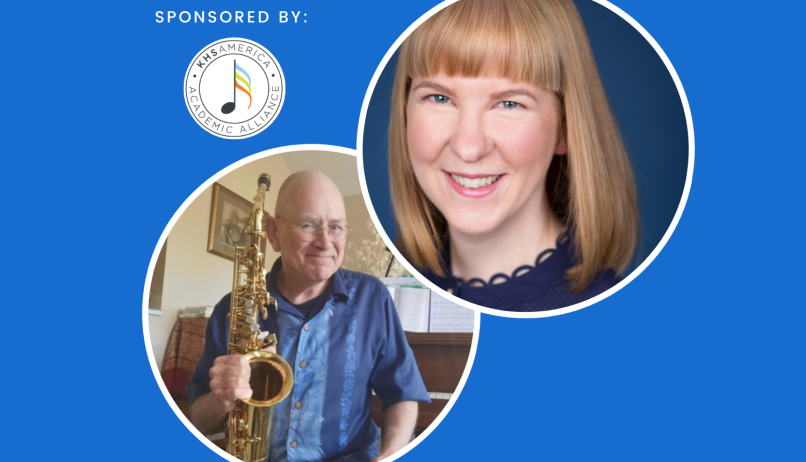
Tim Grieme
Hello! Thanks for stopping by! My name is Tim and I am a saxophone player currently based out of Nashville, Tennessee.
$40.00 / 30 min

6 yrYears
Teaching on Lessonface
Gage Schmitt
Gage Schmitt a graduate of the University of Northern Iowa with a BM Music Performance degree, as well as The Institute of Production and Recording with a degree in Audio Production and Live Sound. Gage has been a clinician for All-State honor band workshops, an adjudicator for honor bands, participated in competitions, won the MTNA State Chamber Music Competition in Iowa and
$35.00 / 45 min

7 yrYears
Teaching on Lessonface
Erika Friedman
2021/2020 TENOR SAX LESSONFACE TEACHER OF THE YEAR!
$45.00 / 30 min

6 yrYears
Teaching on Lessonface
Alison Ervin
Overall Teacher of the Year on Lessonface! Alison holds a Masters in Music Ed. Fun, experienced & patient teacher. Alison has taught over 20,000 lessons in various instruments and voice to over 550 students in private lessons and small groups, in person and online. Her students range from age 3 through adults. Alison is the co-owner of Strand Studios in NJ.
$30.00 / 30 min

Photo: Ben Van Wyk
I am simply amazed what I learned in 1/2 hr. I strongly recommend him to anyone who is wiling to learn. All I can say is that he is "outstanding" when it comes to teaching sax. Great guy.

Want help finding your ideal tenor sax teacher?
Fill out the quick form and teachers who fit your needs will be in touch.

Photo: Lucas Hopkins


Great Tenor Sax Teachers
Through our longstanding commitment to treat teachers equitably, we work with phenomenal instructors — including members of the MET Orchestra, Juilliard and Berklee alumni, GRAMMY® winners and nominees, and many other professional educators.
View Teachers 
Photo: Erika Friedman
About Tenor Sax Lessons at Lessonface
Find a great teacher, securely book a first lesson or trial, and meet via Zoom. Lessonface handles the lesson links and sends you reminders. Recordings, assignments, and notes are easy to access before, during, and after the lesson.
View Teachers 











Latest from the Blog
Tips, stories, and interviews from the Tenor Sax community.

Lessonface Guarantee
Reach out to tell us within 48-hours of taking an unsatisfactory lesson, class, or course, and we will offer you a refund. Read more about the guarantee.

Designed for All Ages
Creating a joyful, safe, and convenient educational experience for our students is our goal. Learn more about our kid-friendly features here, or read our privacy policy and safety precautions here.
Have more questions? Check out our FAQ, or reach out.
About Lessonface
At Lessonface, we've held our mission of helping students achieve their goals while treating teachers equitably for over ten years. We're here to help you connect to your ideal teacher and make real progress. Please reach out with any questions or concerns.
 Claire Cunningham
- Founder & CEO
What is the best method for learning Tenor Sax ?
We're biased, of course, but at Lessonface we believe the best way to learn Tenor Sax is through one-on-one lessons. Personalized instruction means your teacher can tailor every lesson to your goals, learning style, and skill level. Online group classes can also be a great way to make learning fun and social. Learning Tenor Sax online makes it easy to stay consistent, which is essential to steady progress.
There are plenty of apps and YouTube videos out there to help with learning Tenor Sax, but most teachers agree that those resources work best as supplements to, not replacements for, one-on-one instruction. A skilled Tenor Sax teacher can identify bad habits before they become ingrained, help you focus on what matters most, and solve problems as soon as they arise, often saving you months of frustration and wasted practice time. The bottom line? A real teacher accelerates your progress and keeps you on the right path from day one.
How do online Tenor Sax lessons work?
Online lessons are effective, affordable, and accessible. Lessonface qualifies teachers in over 300 music, language, and arts subjects, including Tenor Sax. Students can browse teachers' profiles, send them messages, and book lessons securely through Lessonface. Lessons happen via Zoom links that are securely generated for each lesson, and can be easily recorded by the teacher. Recordings, notes, and attachments can all be accessed from within the Lessonface dashboard. Lessons can be booked one at a time, in packages, or by subscription to save a spot on the teacher's calendar. Lessonface hosts recitals, open mics, group classes, and self-paced courses too. Registering an account is free so it's easy to get started reaching out to find your ideal instructor. Contact us with any further questions!
How do I find the best teacher for me for Tenor Sax lessons?
With over 100 qualified Tenor Sax teachers who have together earned an average of 5 out of 5 stars over 46 lesson reviews by verified students, you can be sure to find a great instructor at Lessonface.
Lessonface offers free tools to help you find the ideal tutor for you or your family:
- Use the open filtering system
- Use our matching service to describe your background, scheduling preferences, and any particular goals, and qualified Tenor Sax teachers will respond.
You can view teachers' bios, accolades, rates, send them a message and book lessons from their profiles.
Many teachers offer a free trial, and you can book lessons one at a time until you decide you prefer to book a bundle or subscribe, so don't hesitate to try. Teachers may also offer group classes, self-paced courses, and downloadable content, so there are more ways to get started while you're still getting acquainted with the community.
How much do Tenor Sax lessons cost?
Tenor Sax teachers on Lessonface set their own rates. Rates are displayed on the teachers' profile pages and in the checkout process prior to booking. Teachers may choose to change their rates for new bookings, and students will always be notified prior to making payment. The average paid for a Tenor Sax lesson on Lessonface in the past 12 months was $35.76.
The average paid for a Tenor Sax lesson 5 years ago was $30.63. Some Tenor Sax teachers offer a free trial lesson to new students, which are not factored into the average prices.
How does payment work for Tenor Sax lessons?
There is no fee until you book your first paid lesson. Many teachers offer free trial lessons. Students can opt to book one a time, or purchase lesson packages or subscriptions for scheduling convenience, and, depending on the teachers, a discount. Payment can be made by credit card or Paypal. Lessons booked with a subscription are pre-paid three days before the end of the month for lessons that are scheduled for the following month. Subscription payments can only be made by credit card (not Paypal). Teachers receive their payment after the lesson has been completed.
What kind of saxophones are there? If you learn one, can you play the others?
The saxophone family is larger than most people realize. The four most common saxophones are soprano, alto, tenor, and baritone, ranging from smallest and highest-pitched to largest and lowest. Beyond these four, there are less common members of the family including the sopranino, bass, and contrabass saxophone, though these are rarely encountered outside of specialized ensembles.
Each saxophone has its own distinct character. The soprano has a bright, penetrating tone and is associated with jazz players like John Coltrane and Sidney Bechet. The alto is expressive and versatile, equally at home in classical and jazz settings. The tenor has a rich, warm sound and is probably the most recognizable saxophone voice in jazz and rock. The baritone brings a deep, powerful low end and is a cornerstone of big band and funk horn sections.
The good news for anyone wondering about switching: if you learn one saxophone, picking up another is genuinely manageable. The fingering system is essentially the same across the entire family, and the embouchure principles carry over, though each instrument has its own feel and requires some adjustment. Most saxophonists who specialize on one instrument can play the others to some degree, and many professionals double on two or more.
Alto is the most common starting point, but your musical goals and the guidance of a good teacher should ultimately drive the choice.