










Find Piano Lessons with Excellent Teachers
Grow your skills with the guidance of a great Piano teacher. Explore live online Piano lessons, group classes, and self-paced courses — all led by qualified teachers and reviewed by your fellow students.
View Teachers Related Topics
Discover experienced, passionate Piano teachers to help you reach your next level.
100+
Vetted Teachers
5.0
Average Rating
2,000+
Student Ratings
~$36
Avg. Lesson Price
View All Teachers

3 yrYears
Teaching on Lessonface
Jillian Comrie
2025 Teacher of the year in Voice and Pop Voice!! I’m a creative, encouraging and patient teacher, who specializes in tailoring my music lessons to fit you! As a certified music educator with 17 years of teaching experience, I have developed effective strategies and tools to coach students with a wide variety of learning styles and interests to become successful musicians.
$35.00 / 30 min

8 yrYears
Teaching on Lessonface
Isabella Mendes
A classically trained pianist and vocalist, Isabella is passionate about education. Originally from Brazil and with a background in engineering and business, she approaches teaching from a problem-solving perspective and recognizes that each student learns differently. She's always looking for the best ways to help students achieve their goals.
$54.00 / 30 min

2 yrYears
Teaching on Lessonface
Natasha Stoll
I am a master teacher focusing on the classical repertoire along with the very strong approache to improvisation. I am really helping each single student to achieve their interests in music rather than focusing on teaching one particular method.
$25.00 / 30 min

9 yrYears
Teaching on Lessonface
Beverly Cashin
Hello! I've been playing and teaching for several decades, and I can show you how to have fun with the piano. If you're a beginner, I can take you right from step one and have you playing familiar songs by the 1st or 2nd lesson. If you already have some experience, I can add to it. I've been playing and studying piano since age 7 (long time).
$30.00 / 30 min
Photo: Aaron Crouch
Aaron is awesome. Both of my sons have been taking lessons with him for the past 4 years. He works differently with both as they have different personalities and approaches. He is patient and really cares about improving skills the right way. Also, he is very prompt at communication outside the classroom. We really appreciate having him as a piano teacher. Highly recommended.

Want help finding your ideal piano teacher?
Fill out the quick form and teachers who fit your needs will be in touch.
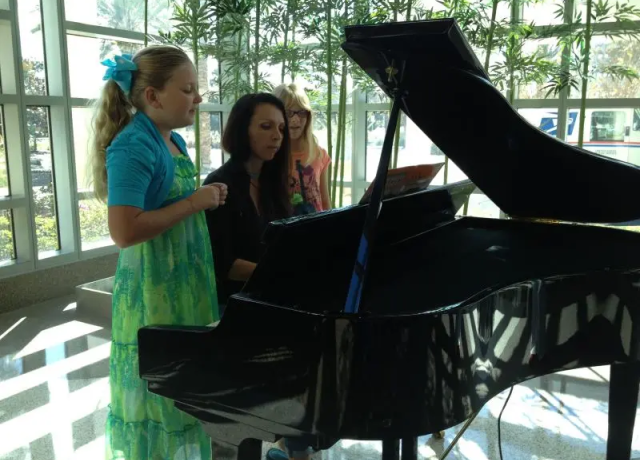
Photo: Natasha Stoll

Great Piano Teachers
Through our longstanding commitment to treat teachers equitably, we work with phenomenal instructors — including members of the MET Orchestra, Juilliard and Berklee alumni, GRAMMY® winners and nominees, and many other professional educators.
View Teachers 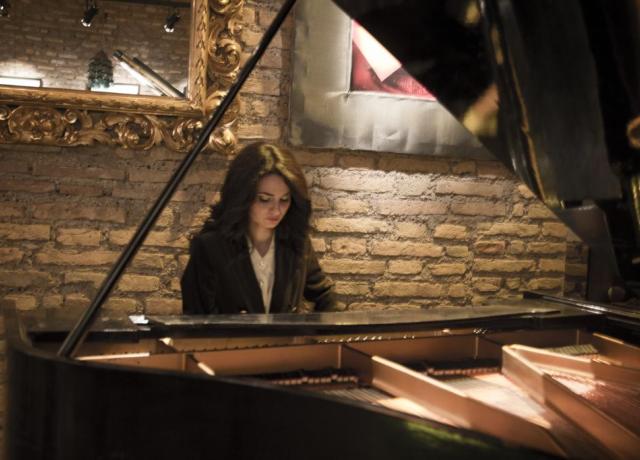
Photo: Cecilia Proia
About Piano Lessons at Lessonface
Find a great teacher, securely book a first lesson or trial, and meet via Zoom. Lessonface handles the lesson links and sends you reminders. Recordings, assignments, and notes are easy to access before, during, and after the lesson.
View Teachers Learn at your own pace with self-paced courses.
5
Self-Paced Courses
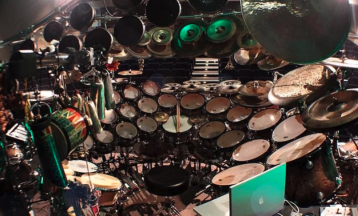
RHYTHM, King of the Omniverse: how to use it, speak it, arrange it and produce it
 Byron Fry
 12 chapters
$49.00
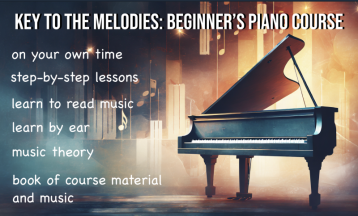
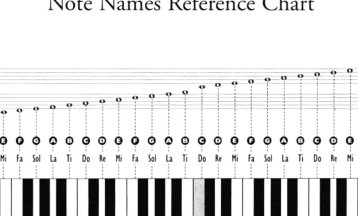
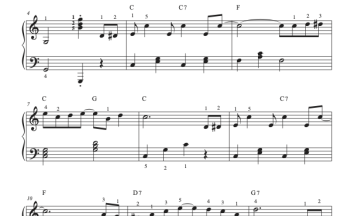
Downloadable materials include packs, guides, and exercises to help you learn.
34
Downloadables





Students have given their Lessonface
lessons over
36,100+ reviews.
Natasha is an excellent piano teacher. she makes learning feel fun and totally achievable, even for a total beginner like me!
I have been an adult student of Ms. Roberts for nearly 8 months, and I am still enjoying learning to play piano! She is so kind and encouraging with a good sense of humor. I do not feel pressured to achieve more than is possible for me; she is patient in her guidance and instruction. She is obviously very knowledgeable of the technical aspects of piano-playing and seems to sincerely delight in teaching others. Her lessons are reasonably priced, for me as a 'hobbyist'. I consider myself blessed to have found her through Lessonface.
My lesson with Nina was owesome!! She was very patient. I used to play many years ago and had lost many basic skills and she made it fun and interesting.
A good start to the New Year, as we continue our Beatles odyssey started at the end of 2025. This session Donovan gave me pointers on decorating up a simple version of 'Yesterday', particularly in the left-hand bass-line, to give a much 'fuller' performance, which I enjoyed very much! We then moved onto a much more challenging (for me anyway!) 'Hey Jude', which has a melody-line which is challenging for me in that it gives an introduction to 16th notes! All-in-all a very enjoyable lesson, so Bravo Donovan, and I'm looking forward to this year very much.
Excellent teacher, definitely recommend. I learn a lot in each lesson and receive detailed suggestions and feedback on my playing.












Latest from the Blog
Tips, stories, and interviews from the Piano community.


Lessonface Guarantee
Reach out to tell us within 48-hours of taking an unsatisfactory lesson, class, or course, and we will offer you a refund. Read more about the guarantee.
Designed for All Ages
Creating a joyful, safe, and convenient educational experience for our students is our goal. Learn more about our kid-friendly features here, or read our privacy policy and safety precautions here.
Have more questions? Check out our FAQ, or reach out.
About Lessonface
At Lessonface, we've held our mission of helping students achieve their goals while treating teachers equitably for over ten years. We're here to help you connect to your ideal teacher and make real progress. Please reach out with any questions or concerns.
 Claire Cunningham
- Founder & CEO
What is the best method for learning Piano ?
We're biased, of course, but at Lessonface we believe the best way to learn Piano is through one-on-one lessons. Personalized instruction means your teacher can tailor every lesson to your goals, learning style, and skill level. Online group classes can also be a great way to make learning fun and social. Learning Piano online makes it easy to stay consistent, which is essential to steady progress.
There are plenty of apps and YouTube videos out there to help with learning Piano, but most teachers agree that those resources work best as supplements to, not replacements for, one-on-one instruction. A skilled Piano teacher can identify bad habits before they become ingrained, help you focus on what matters most, and solve problems as soon as they arise, often saving you months of frustration and wasted practice time. The bottom line? A real teacher accelerates your progress and keeps you on the right path from day one.
How do online Piano lessons work?
Online lessons are effective, affordable, and accessible. Lessonface qualifies teachers in over 300 music, language, and arts subjects, including Piano. Students can browse teachers' profiles, send them messages, and book lessons securely through Lessonface. Lessons happen via Zoom links that are securely generated for each lesson, and can be easily recorded by the teacher. Recordings, notes, and attachments can all be accessed from within the Lessonface dashboard. Lessons can be booked one at a time, in packages, or by subscription to save a spot on the teacher's calendar. Lessonface hosts recitals, open mics, group classes, and self-paced courses too. Registering an account is free so it's easy to get started reaching out to find your ideal instructor. Contact us with any further questions!
How do I find the best teacher for me for Piano lessons?
With over 100 qualified Piano teachers who have together earned an average of 5 out of 5 stars over 2061 lesson reviews by verified students, you can be sure to find a great instructor at Lessonface.
Lessonface offers free tools to help you find the ideal tutor for you or your family:
- Use the open filtering system
- Use our matching service to describe your background, scheduling preferences, and any particular goals, and qualified Piano teachers will respond.
You can view teachers' bios, accolades, rates, send them a message and book lessons from their profiles.
Many teachers offer a free trial, and you can book lessons one at a time until you decide you prefer to book a bundle or subscribe, so don't hesitate to try. Teachers may also offer group classes, self-paced courses, and downloadable content, so there are more ways to get started while you're still getting acquainted with the community.
How much do Piano lessons cost?
Piano teachers on Lessonface set their own rates. Rates are displayed on the teachers' profile pages and in the checkout process prior to booking. Teachers may choose to change their rates for new bookings, and students will always be notified prior to making payment. The average paid for a Piano lesson on Lessonface in the past 12 months was $29.49.
The average paid for a Piano lesson 5 years ago was $26.42. Some Piano teachers offer a free trial lesson to new students, which are not factored into the average prices.
How does payment work for Piano lessons?
There is no fee until you book your first paid lesson. Many teachers offer free trial lessons. Students can opt to book one a time, or purchase lesson packages or subscriptions for scheduling convenience, and, depending on the teachers, a discount. Payment can be made by credit card or Paypal. Lessons booked with a subscription are pre-paid three days before the end of the month for lessons that are scheduled for the following month. Subscription payments can only be made by credit card (not Paypal). Teachers receive their payment after the lesson has been completed.
Can you learn the piano online?
Yes, you can absolutely learn piano online. Many students find online piano lessons more effective than traditional in-person lessons. Online piano lessons offer several advantages: you learn on your own instrument in your own space, you can schedule lessons at times that fit your life, and you have access to teachers worldwide rather than being limited to whoever happens to teach near you.
The key to successful online piano learning is having live instruction with a qualified teacher, not just watching pre-recorded YouTube videos or following apps. In a live online lesson, your teacher can see your hand position, posture, and technique through the camera and give you immediate feedback and corrections. They can demonstrate concepts on their own piano, assign specific exercises for your goals, and adjust their teaching approach based on how you learn best. This real-time interaction is what makes the difference between casually dabbling and actually developing solid piano skills.
One often-overlooked advantage of online lessons is that you're always practicing on the same instrument you use for lessons. In traditional lessons, you practice on one piano at home and then perform on a different piano at your teacher's studio, which can feel disorienting. With online lessons, your teacher helps you get the best sound out of your specific instrument, and there's no adjustment period between practice and lesson time.
What's the best age for a child to start piano lessons?
Most children are ready to start piano lessons between ages 5 and 7, though some can begin as early as 4 if they show interest and have the necessary attention span. The key factors aren't just age—they're whether your child can sit still for 15-20 minutes, follow multi-step instructions, recognize letters and numbers, and has hands large enough to comfortably reach five keys.
Piano is often considered one of the best first instruments for children because it provides a strong foundation in music theory and reading that transfers to any instrument they might learn later. Piano produces a clear, beautiful tone from the very first lesson, which keeps young learners motivated and engaged.
Still, younger isn't always better. Children who start at 6 or 7 often progress faster than those who start at 4 because they have better fine motor control, longer attention spans, and can grasp concepts more quickly. Starting later doesn't mean your child has missed some critical window—plenty of successful musicians began piano at 8, 10, or even in their teens.
For very young children (ages 3-5), general music classes that incorporate movement, singing, and simple rhythm instruments can be excellent preparation for piano lessons later. These build musicality and a love of music without the frustration that can come from trying to coordinate reading notes, hand position, and finger independence before a child is developmentally ready.
An experienced piano teacher will tailor their approach to your child's age and developmental stage, using games, colorful materials, and short, varied activities to keep young students engaged while building real skills.
Am I too old to learn piano?
No, you're not too old to learn piano. Adults of all ages successfully learn piano, and in many ways, adults actually have advantages over children when it comes to learning this instrument. You bring focus, self-motivation, and life experience that helps you understand musical concepts more quickly and practice more efficiently.
The myth that you need to start piano as a child comes from the classical concert pianist track, where professionals often begin intensive training in early childhood. But most adult learners aren't aiming to perform Rachmaninoff concertos—they want to play songs they love, accompany themselves singing, understand music theory, or simply enjoy the mental stimulation and creative outlet that piano provides. These are all completely achievable goals at any age.
Adult brains are perfectly capable of learning new motor skills and building the finger independence piano requires. While young children might have an easier time with certain aspects of muscle memory, adults compensate with better problem-solving skills, patience, and the ability to practice strategically rather than just repetitively. You can also make faster initial progress because you can understand explanations of technique and theory that would go over a child's head.
Working with an online piano teacher who specializes in adult students makes a huge difference. They understand that adults learn differently, have limited practice time, and want to see meaningful progress quickly. They'll help you set realistic goals and choose repertoire that keeps you motivated while building the foundational skills you need.
What's the difference between learning piano and keyboard?
Piano typically refers to an acoustic piano—the traditional instrument with strings and hammers inside. These come in upright (vertical) and grand (horizontal) models and produce sound mechanically when you press a key.
Keyboards and digital pianos are electronic versions of the piano. Some closely replicate the experience of playing an acoustic piano with eighty-eight weighted, touch-sensitive keys and sound samples recorded from real instruments. These are excellent for serious students who want a playing experience as close to a real piano as possible. Other keyboards prioritize lightness and portability over mimicking a true piano experience. They often have fewer keys and feature a vast array of instruments and sounds that can be fun for young learners to experiment with.
For beginners getting started with piano or keyboard lessons, any keyboard you have access to is a perfectly fine place to start learning. There's no need to purchase a full-size, top-of-the-line digital piano before your first lesson. Later on, as you advance and your goals become clearer, your teacher can help you decide if upgrading to an instrument that more closely replicates a real piano makes sense for you.
How often should you practice piano?
The ideal practice frequency depends on your age, goals, and skill level, but the universal rule is that consistency beats intensity. Practicing 20 minutes every day will give you better results than practicing two hours once a week, because piano skills—particularly muscle memory and finger independence—develop through regular repetition.
For children: Young beginners (ages 5-7) should aim for 15-20 minutes daily, which is about the limit of their attention span for focused work. As they get older and more advanced, this can gradually increase to 30-45 minutes for intermediate students (ages 8-12) and 45-60 minutes or more for serious teen students working on challenging repertoire. The key with children is making practice a daily habit, even if it's brief, rather than trying to force long sessions that lead to frustration and burnout.
For adults: Adult beginners can typically handle 20-30 minutes of focused practice daily. This might not sound like much, but quality matters more than quantity—30 minutes of deliberate, focused practice where you're working on specific trouble spots is far more valuable than an hour of mindlessly running through pieces. Intermediate and advanced adult students often practice 45-60 minutes daily, though many find breaking this into two shorter sessions (morning and evening) keeps their focus sharper.
For all levels: Six days of practice per week is a good target, giving yourself one rest day. Your brain actually consolidates learning during rest, so taking a day off can actually help rather than hurt your progress. If you miss a day here and there, don't try to "make it up" with marathon sessions—just get back to your regular routine.
Your Lessonface piano teacher will help you develop a practice routine that matches your goals and schedule.
Can you learn piano without reading sheet music?
Yes, you can absolutely learn piano without reading sheet music, though the best approach depends on your musical goals. Many successful pianists play primarily by ear, using chord charts, or through improvisation without relying on traditional notation. However, learning to read music does open up significantly more repertoire and makes learning new pieces faster once you're past the initial learning curve.
Playing by ear means learning songs by listening and figuring out the notes and chords on your own. This skill is particularly valuable for pop, rock, jazz, and worship music where you might want to play along with recordings or adapt songs to your own style.
Chord-based playing uses chord symbols (like C, Am, G7) written above lyrics or melody lines. This method gets you playing recognizable music quickly and is perfect if your goal is casual playing rather than classical repertoire.
Traditional note reading gives you access to the entire classical piano repertoire, carefully arranged pop songs, and complex pieces that would be difficult to learn by ear. It also makes communication with other musicians easier and allows you to learn from written music independently.
If you're specifically interested in playing by ear or chord-based playing, look for a teacher who's comfortable teaching that approach. Many students do well learning both note-reading and chord-based playing simultaneously. Your Lessonface piano teacher can show you how to play songs you love using chords and patterns while gradually introducing note reading through simple melodies.