













Find Your Ideal Vocal Coach for Voice Lessons
Grow your skills with the guidance of a great Voice teacher. Explore live online Voice lessons, group classes, and self-paced courses — all led by qualified teachers and reviewed by your fellow students.
View Teachers Related Topics
Discover Experienced, Passionate Voice Teachers to Help You Reach Your Next Level
100+
Vetted Teachers
5.0
Average Rating
820+
Student Ratings
~$41
Avg. Lesson Price
View All Teachers

6 yrYears
Teaching on Lessonface
Jenessa Castano
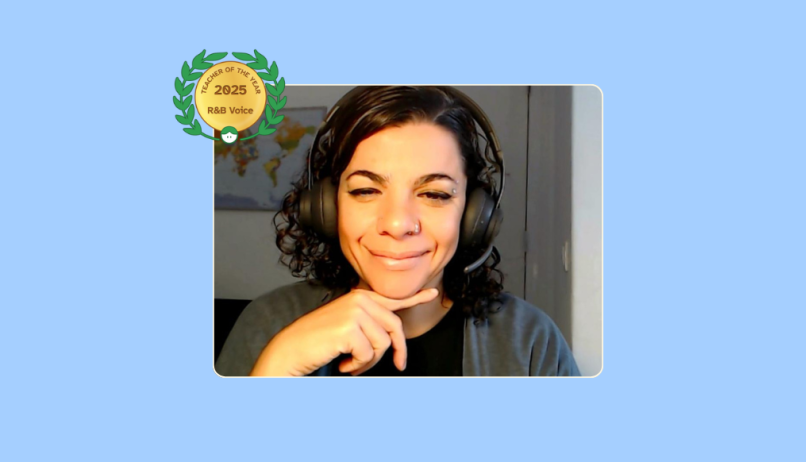
6x Teacher of the Year 2020 through 2025 for Voice, Pop Voice, Voice Artistry, and Artist Development. I have been teaching for six years and have taught over 4,200 lessons on Lessonface. Across online and in person instruction in voice and piano, I have taught more than 10,000 lessons.
$45.00 / 30 min

7 yrYears
Teaching on Lessonface
Malena Marcase
I am a passionate and patient vocal coach who loves working with students that are excited about becoming better singers and musicians. In 2018, I graduated from Belmont University with two Bachelor's Degrees in Commercial Music and Music Business. In 2019, I earned a Master's Degree in Contemporary Performance from Berklee College of Music in Valencia, Spain.
$35.00 / 30 min

2 yrYears
Teaching on Lessonface
Nathan Jones
Please reach out to inquire about lesson time availablility. Hello! My name is Nathan. I am a professional musician with over 14 years of experience as a private music teacher. Though I am new to the Lessonface platform, I have taught online lessons using Zoom since the Covid lockdowns of 2020! As a performer, I am an independent singer-songwriter, pianist, and organist.
$30.00 / 30 min

5 yrYears
Teaching on Lessonface
Jennifer Chong
Hi there! I'm Jennifer and I have lived and breathed music all my life. I started taking piano lessons at the age of 6 and enrolled in the Royal Conservatory of Music where I eventually graduated and obtained my ARCT (Associate of the Royal Conservatory) diploma in Piano Performance with Honors and Advanced Theory Certificate.
$37.00 / 30 min
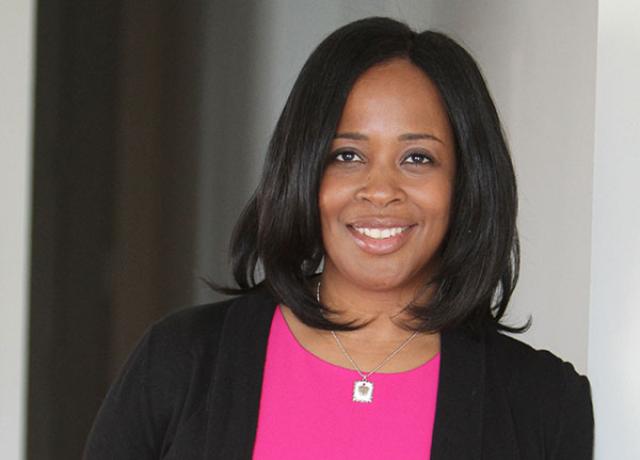
Photo: Michele Denise Michaels
Michele is an amazing teacher. Thoughtful, experienced, patient and kind. She is world class.

Want help finding your ideal voice teacher?
Fill out the quick form and teachers who fit your needs will be in touch.
Join Live Sessions and Learn Alongside Others
Upcoming Live Classes
4.9
Average Rating
50+
Student Ratings
~$98
Avg. Price

Photo: Florencia de Zavaleta


Great Voice Teachers
Through our longstanding commitment to treat teachers equitably, we work with phenomenal instructors — including members of the MET Orchestra, Juilliard and Berklee alumni, GRAMMY® winners and nominees, and many other professional educators.
View Teachers 
Photo: Peter Furlong
About Voice Lessons at Lessonface
Find a great teacher, securely book a first lesson or trial, and meet via Zoom. Lessonface handles the lesson links and sends you reminders. Recordings, assignments, and notes are easy to access before, during, and after the lesson.
View Teachers Learn at Your Own Pace with Pre-recorded Courses
4
Self-Paced Courses
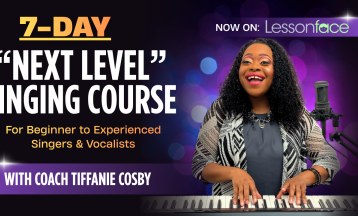
FREE 7-Day "Next Level Singing" Course For Beginners to Experienced Singers
 Vocal Coach Tiffanie Cosby
 19 chapters
Free

RHYTHM, King of the Omniverse: how to use it, speak it, arrange it and produce it
 Byron Fry
 12 chapters
$49.00
Downloadable Voice materials
24
Downloadables












Students have given their Lessonface
lessons over
36,100+ reviews.
Absolutely FANTASTIC teacher. The most satisfying time I've spent learning music has been with her. DEFINITELY recommend, very understanding, soft and kind. 6/5 if I could.
Tomy is excellent. Speaks in a way that is relatable while offering a lot knowledge and techniques to improve your voice.
Andrew was kind, patient and extremely knowledgeable!












Latest from the Blog
Tips, stories, and interviews from the Voice community.


Lessonface Guarantee
Reach out to tell us within 48-hours of taking an unsatisfactory lesson, class, or course, and we will offer you a refund. Read more about the guarantee.
Designed for All Ages
Creating a joyful, safe, and convenient educational experience for our students is our goal. Learn more about our kid-friendly features here, or read our privacy policy and safety precautions here.
Have more questions? Check out our FAQ, or reach out.
About Lessonface
At Lessonface, we've held our mission of helping students achieve their goals while treating teachers equitably for over ten years. We're here to help you connect to your ideal teacher and make real progress. Please reach out with any questions or concerns.
 Claire Cunningham
- Founder & CEO
What is the best method for learning Voice ?
We're biased, of course, but at Lessonface we believe the best way to learn Voice is through one-on-one lessons. Personalized instruction means your teacher can tailor every lesson to your goals, learning style, and skill level. Online group classes can also be a great way to make learning fun and social. Learning Voice online makes it easy to stay consistent, which is essential to steady progress.
There are plenty of apps and YouTube videos out there to help with learning Voice, but most teachers agree that those resources work best as supplements to, not replacements for, one-on-one instruction. A skilled Voice teacher can identify bad habits before they become ingrained, help you focus on what matters most, and solve problems as soon as they arise, often saving you months of frustration and wasted practice time. The bottom line? A real teacher accelerates your progress and keeps you on the right path from day one.
How do online Voice lessons work?
Online lessons are effective, affordable, and accessible. Lessonface qualifies teachers in over 300 music, language, and arts subjects, including Voice. Students can browse teachers' profiles, send them messages, and book lessons securely through Lessonface. Lessons happen via Zoom links that are securely generated for each lesson, and can be easily recorded by the teacher. Recordings, notes, and attachments can all be accessed from within the Lessonface dashboard. Lessons can be booked one at a time, in packages, or by subscription to save a spot on the teacher's calendar. Lessonface hosts recitals, open mics, group classes, and self-paced courses too. Registering an account is free so it's easy to get started reaching out to find your ideal instructor. Contact us with any further questions!
How do I find the best teacher for me for Voice lessons?
With over 100 qualified Voice teachers who have together earned an average of 4.99 out of 5 stars over 820 lesson reviews by verified students, you can be sure to find a great instructor at Lessonface.
Lessonface offers free tools to help you find the ideal tutor for you or your family:
- Use the open filtering system
- Use our matching service to describe your background, scheduling preferences, and any particular goals, and qualified Voice teachers will respond.
You can view teachers' bios, accolades, rates, send them a message and book lessons from their profiles.
Many teachers offer a free trial, and you can book lessons one at a time until you decide you prefer to book a bundle or subscribe, so don't hesitate to try. Teachers may also offer group classes, self-paced courses, and downloadable content, so there are more ways to get started while you're still getting acquainted with the community.
How much do Voice lessons cost?
Voice teachers on Lessonface set their own rates. Rates are displayed on the teachers' profile pages and in the checkout process prior to booking. Teachers may choose to change their rates for new bookings, and students will always be notified prior to making payment. The average paid for a Voice lesson on Lessonface in the past 12 months was $36.31.
The average paid for a Voice lesson 5 years ago was $30.59. Some Voice teachers offer a free trial lesson to new students, which are not factored into the average prices.
How does payment work for Voice lessons?
There is no fee until you book your first paid lesson. Many teachers offer free trial lessons. Students can opt to book one a time, or purchase lesson packages or subscriptions for scheduling convenience, and, depending on the teachers, a discount. Payment can be made by credit card or Paypal. Lessons booked with a subscription are pre-paid three days before the end of the month for lessons that are scheduled for the following month. Subscription payments can only be made by credit card (not Paypal). Teachers receive their payment after the lesson has been completed.
How do voice lessons improve your singing?
Voice lessons improve your singing by teaching you how to use your vocal instrument efficiently and safely. Your voice is produced by a complex system involving your breath, vocal cords, throat, mouth, and resonating spaces—and most people use only a fraction of their voice's potential because they've never learned how all these parts work together.
A good voice teacher helps you understand and control every element of your voice. You'll learn proper breathing techniques that provide steady support for your sound, rather than running out of air mid-phrase. You'll discover how to position your tongue, soft palate, and jaw to create better tone and resonance. You'll develop awareness of how your vocal cords function, which helps you sing with power without straining or causing damage.
Beyond the physical mechanics, voice lessons also train your ear. You'll develop better pitch accuracy, learn to hear and correct your own mistakes, and understand musical concepts like phrasing and dynamics. Many students find that lessons help them expand their range—both hitting higher notes and developing richer low tones they didn't know they had.
Perhaps most importantly, online voice lessons at Lessonface give you immediate feedback and personalized guidance. Your voice teacher can hear issues you might not notice yourself and provide targeted exercises to address your specific challenges. This kind of customized instruction is what transforms raw potential into a confident, controlled singing voice.
What age should children start voice lessons?
Children can start voice lessons as young as 5 or 6 years old, though the ideal age depends on the individual child's attention span, interest level, and developmental readiness. At this age, lessons focus more on exploration, musicality, and having fun with their voice rather than intensive technical work. Young children benefit most from teachers who specialize in working with kids and can make lessons engaging and age-appropriate.
Around ages 8-10, children typically develop the focus and body awareness needed to start learning more formal vocal technique. They can begin understanding concepts like breath support and vocal placement, though teachers still keep things playful and manageable for young voices.
It's important to note that children's voices are still developing, so voice lessons should always prioritize vocal health over pushing for results. A good teacher will never strain a young voice or push a child to sing beyond their comfortable range. The goal at younger ages is to build a solid foundation of healthy habits, musicality, and confidence that will serve them throughout their lives.
If your child loves to sing—whether it's along to their favorite songs, in the car, or in the shower—that enthusiasm is often the best indicator they're ready to start lessons. The key is finding a voice teacher who works well with children and can nurture that natural joy while gently introducing proper technique.
Do I need to learn to read music to take voice lessons?
No, you don't need to read music to take voice lessons! Many successful singers never learn to read music notation, and plenty of voice teachers are happy to work with students who learn by ear. If your goal is to sing your favorite songs, perform at open mics, or simply improve your vocal technique, you can make tremendous progress without ever cracking open a music theory book.
That said, learning to read music can be helpful, especially if you're interested in certain styles or settings. Classical singers, musical theater performers, and choir members typically benefit from music reading skills since they're often working from written scores. If you're interested in developing this skill, many voice teachers incorporate basic music reading into their lessons—but it's usually taught gradually and in context, not as a prerequisite.
The beauty of working with a private teacher is that lessons can be tailored to your learning style and goals. Some students learn best by listening and imitating, others prefer visual aids like lyrics or chord charts, and some want the structure that music notation provides. A good teacher will adapt their approach to what works for you.
When browsing for teachers, you can look at their profiles to see their teaching philosophies and specialties. If learning by ear is important to you, many teachers explicitly mention this approach in their bios. You can also discuss your preferences during a trial lesson to make sure you've found the right match.
What's the difference between taking voice lessons and working with a vocal coach?
The terms "voice teacher" and "vocal coach" are often used interchangeably, but they traditionally refer to different types of instruction. A voice teacher (or singing teacher) focuses on vocal technique—how your voice works, how to breathe properly, how to develop healthy vocal habits, expand your range, and improve your tone quality. This is the foundation that every singer needs, regardless of their style or goals.
A vocal coach, on the other hand, typically works on musical interpretation, performance skills, and style-specific elements. They help you polish songs for performance, work on expression and phrasing, coach you on audition preparation, or refine your interpretation of specific repertoire. Vocal coaches usually assume you already have solid technique and are helping you apply it artistically.
In practice, many instructors blur these lines and offer both technical instruction and performance coaching, especially in contemporary styles like pop, rock, and musical theater. When you're just starting out or working on foundational skills, you're primarily looking for someone who can teach you healthy vocal technique. As you advance, you might work with the same teacher on both technique and performance, or you might eventually add a coach who specializes in your specific genre or performance goals.
The good news is that you don't need to worry too much about these distinctions when starting out. Most teachers on Lessonface offer comprehensive instruction that covers both technical development and practical application. You can review teacher profiles to see their areas of expertise and discuss your specific needs during a trial lesson.
How do I know what my vocal range is? What are chest voice and head voice?
Your vocal range is the span from the lowest note you can comfortably sing to the highest, and discovering it is one of the fun parts of taking voice lessons. Your teacher will guide you through exercises that explore your full range safely, helping you identify whether you're a soprano, alto, tenor, baritone, bass, or somewhere in between. Many beginning singers are surprised to find they can sing higher or lower than they thought—they just needed someone to show them how.
Understanding chest voice and head voice is key to expanding your range. Chest voice is the resonant, fuller sound you naturally use when speaking or voice lower notes—you can actually feel vibrations in your chest when you place your hand there. Head voice is the lighter, higher register that resonates more in your head and face. Learning to navigate the transition between these registers smoothly is a major focus of vocal training.
Most untrained singers have an awkward gap between their chest and head voice, or they can only access one register comfortably. A voice teacher will help you strengthen both registers and blend them seamlessly, which is how you truly expand your range. You'll learn techniques like "mixing" that allow you to carry chest voice higher or bring head voice lower, giving you more control and flexibility across your entire range.
How can I avoid straining my voice when singing?
Avoiding vocal strain starts with learning proper technique—and that's exactly what voice lessons are for. Vocal strain typically happens when you're using excessive tension, poor breathing support, or pushing your voice beyond its comfortable limits. A good voice teacher will help you identify these issues and teach you healthier ways to produce sound.
The foundation of strain-free voice is breath support. When you breathe properly and use your diaphragm to support your sound, you don't have to force or squeeze your throat to create volume or reach higher notes. Your teacher will show you how to engage these support muscles so your vocal cords can do their job without excessive effort.
Tension is another major culprit. Many singers unconsciously tighten their jaw, tongue, or neck when they sing, which restricts their sound and can cause fatigue or pain. Through targeted exercises and awareness training, you'll learn to release unnecessary tension and let your voice flow more freely. This doesn't just prevent strain—it actually improves your tone quality too.
It's also important to know your limits, especially when you're starting out. Your voice needs time to build strength and stamina, just like any other part of your body. A responsible teacher will never push you to sing beyond your comfortable range or for longer than your voice can handle. They'll help you build gradually and safely.
If you're currently experiencing vocal strain or discomfort, that's a great reason to start lessons—a teacher can identify what's causing the problem and help you correct it before it becomes a bigger issue.