


Find Spinning Lessons with Excellent Teachers
Discover experienced, passionate Spinning teachers to help you reach your next level.


Jill Duarte

Cynthia Haney
Want help finding your ideal spinning teacher?
Join live sessions and learn alongside others.



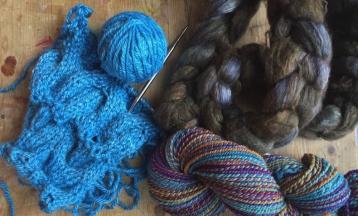
Yarnitecture: Building Exactly the Yarn You Want with Jillian Moreno (First Offering)
 Jillian Moreno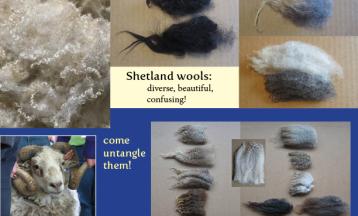

Yarnitecture: Building Exactly the Yarn You Want with Jillian Moreno (Second Offering)
Jillian Moreno 

Great Spinning Teachers
About Spinning Lessons at Lessonface












Lessonface Guarantee
Designed for All Ages
Creating a joyful, safe, and convenient educational experience for our students is our goal. Learn more about our kid-friendly features here, or read our privacy policy and safety precautions here.
Have more questions? Check out our FAQ, or reach out.
About Lessonface
At Lessonface, we've held our mission of helping students achieve their goals while treating teachers equitably for over ten years. We're here to help you connect to your ideal teacher and make real progress. Please reach out with any questions or concerns.
 Claire Cunningham
- Founder & CEO
What is the best method for learning Spinning ?
We're biased, of course, but at Lessonface we believe the best way to learn Spinning is through one-on-one lessons. Personalized instruction means your teacher can tailor every lesson to your goals, learning style, and skill level. Online group classes can also be a great way to make learning fun and social. Learning Spinning online makes it easy to stay consistent, which is essential to steady progress.
There are plenty of apps and YouTube videos out there to help with learning Spinning, but most teachers agree that those resources work best as supplements to, not replacements for, one-on-one instruction. A skilled Spinning teacher can identify bad habits before they become ingrained, help you focus on what matters most, and solve problems as soon as they arise, often saving you months of frustration and wasted practice time. The bottom line? A real teacher accelerates your progress and keeps you on the right path from day one.
How do online Spinning lessons work?
How do I find the best teacher for me for Spinning lessons?
With over 100 qualified Spinning teachers who have together earned an average of 5 out of 5 stars over 1 lesson reviews by verified students, you can be sure to find a great instructor at Lessonface.
Lessonface offers free tools to help you find the ideal tutor for you or your family:
- Use the open filtering system
- Use our matching service to describe your background, scheduling preferences, and any particular goals, and qualified Spinning teachers will respond.
You can view teachers' bios, accolades, rates, send them a message and book lessons from their profiles.
Many teachers offer a free trial, and you can book lessons one at a time until you decide you prefer to book a bundle or subscribe, so don't hesitate to try. Teachers may also offer group classes, self-paced courses, and downloadable content, so there are more ways to get started while you're still getting acquainted with the community.
How much do Spinning lessons cost?
How does payment work for Spinning lessons?
What is spinning and how does it work?
Spinning is the ancient craft of twisting fiber into yarn. At its most basic, spinning works by pulling out a small amount of fiber from a larger mass (like wool roving or a cotton batt) and adding twist to it, which locks the fibers together into a strong, continuous strand. The twist is what transforms loose, fluffy fiber into cohesive yarn that can be knitted, crocheted, or woven into fabric. While modern tools have evolved, the fundamental principle remains the same: fiber plus twist equals yarn.
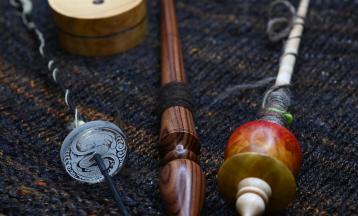
You can spin using simple hand tools like a drop spindle, which uses gravity and rotation to add twist to fiber, or with a spinning wheel, which uses a foot-powered treadle or electric motor to create continuous twist more quickly. Both methods achieve the same result—transforming raw fiber into yarn—but spinning wheels allow you to produce yarn faster once you've developed the coordination. The key is learning to control how much fiber you draft (pull out), how much twist you add, and how quickly you let the twisted yarn wind onto your spindle or bobbin.
Different fibers behave differently when spun. Wool is the most popular fiber for beginners because it has natural crimp and texture that makes it forgiving and easy to spin. Cotton, silk, alpaca, and other fibers each have unique characteristics. You can also control the thickness, texture, and appearance of your yarn by varying your technique—spinning tightly or loosely, using different fiber preparations, or adding decorative elements to create art yarn.
Learning to spin opens up creative possibilities for making custom yarn in exactly the colors, textures, and weights you want. Lessonface offers both private lessons for personalized instruction and group spinning classes where you can learn alongside other students and share the experience of developing this rewarding skill.
What supplies do I need to start learning to spin? Do I need a spinning wheel?
You don't need a spinning wheel to start learning to spin—in fact, many teachers recommend beginning with a drop spindle, which is a simple, affordable tool that teaches you the fundamental mechanics of spinning. A basic drop spindle costs between $15-40, and you'll also need some fiber to spin, typically a few ounces of wool roving to start. That's really all you need to begin: a spindle and some fiber. This low barrier to entry makes spinning accessible to anyone curious about the craft.
Drop spindles are excellent learning tools because they slow down the process and help you understand exactly what's happening as you draft fiber and add twist. Once you're comfortable with a spindle, you can decide whether you want to continue with portable, meditative drop spindle spinning or invest in a spinning wheel for faster production. Many spinners use both—wheels for larger projects and spindles for travel or experimenting with small batches of special fiber.
If you do decide to purchase a spinning wheel, you're looking at an investment ranging from around $400 for a basic wheel to $1,000+ for higher-end models. Spinning wheels come in different styles—some use a treadle you pump with your foot, others are electric. There are also differences in wheel size, the number of speeds available, and whether the wheel folds for storage.
The beauty of starting with online spinning lessons or group classes is that your teacher can guide you through equipment decisions as you progress. You'll learn what features matter, which tools suit your spinning style, and when it makes sense to upgrade. Lessonface's spinning teachers work with students using both drop spindles and wheels, and many offer group classes specifically designed for beginners starting with spindles, so you can learn alongside others at the same stage.
How long does it take to spin enough yarn for a project?
The time it takes to spin yarn for a project varies widely depending on what you're making, how thick you spin, your skill level, and which tool you're using. As a rough estimate, a beginner using a drop spindle might spin 20-50 yards of yarn per hour once they've gotten past the initial learning phase, while an experienced spinner on a wheel might produce 100-200 yards per hour or more. A simple hat might need 100-200 yards of yarn, a scarf could require 200-400 yards, and a sweater might need 1,000-2,000 yards depending on the size and gauge.
This means your first small projects—like a hat or cowl—might take anywhere from a few evenings to a couple of weeks of spinning sessions, depending on how much time you dedicate to it. Larger projects like sweaters are substantial commitments that could take weeks or even months of regular spinning. Many new spinners are surprised by how much time goes into creating handspun yarn, which makes you appreciate the craft even more.
Most beginners start with small projects while they're developing consistency and speed. You might spin yarn for a hat, a pair of mittens, or a small shawl before tackling something larger. As your technique improves and your hands build muscle memory, you'll naturally spin faster and more efficiently. Many spinners also find that the spinning itself becomes part of the enjoyment—it's meditative and satisfying, not just a means to an end.
Your spinning teacher can help you choose appropriate first projects and estimate how much fiber you'll need and how long it might take based on your current skill level. Learning in Lessonface's group spinning classes also gives you perspective on realistic timelines, as you'll see how other students at similar levels are progressing and what they're creating with their handspun yarn.
What's the difference between spinning with a drop spindle and spinning with a wheel?
Both drop spindles and spinning wheels create yarn using the same basic principle—adding twist to drafted fiber—but they differ significantly in speed, portability, cost, and learning curve. A drop spindle is a simple hand tool consisting of a shaft and a weighted disk that spins to add twist to your fiber. You draft the fiber with one hand while the spindle hangs and rotates, adding twist as it spins. The process is slower and more deliberate, which actually makes it an excellent learning tool because you can clearly see and feel what's happening at each stage.
Spinning wheels mechanize the twisting process using a foot-powered treadle or electric motor, allowing you to produce yarn much faster once you've mastered the coordination. With a wheel, both your hands are free to draft fiber while your feet maintain the wheel's rotation. This means experienced wheel spinners can produce significantly more yarn per hour than spindle spinners. However, wheels require learning to coordinate your hands and feet simultaneously, which some beginners find challenging at first.
Drop spindles are portable, inexpensive ($15-40), and require no special setup—you can spin anywhere with just a spindle and some fiber. This makes them perfect for traveling, spinning outdoors, or trying the craft without a major investment. Spinning wheels are stationary pieces of equipment that cost hundreds or thousands of dollars and require dedicated space. However, if you're serious about producing larger quantities of yarn, a wheel becomes invaluable.
Many spinners use both tools for different purposes. You might use a drop spindle for experimenting with small amounts of luxury fiber or for spinning on the go, while relying on a wheel for larger projects.
What's the best type of fiber for beginners to spin?
Wool is widely considered the best fiber for beginners to spin, and within the wool category, medium-grade wools like Romney, Corriedale, or Columbia are ideal starting points. These wools have natural crimp and a bit of grip that makes them forgiving when you're learning to draft and add twist. The fibers hold together well, so if your hands wobble or your drafting is uneven, the wool compensates and still produces usable yarn. This forgiving nature helps beginners build confidence quickly rather than getting frustrated with finicky fibers.
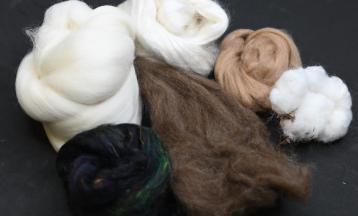
The fiber preparation also matters for beginners. Most teachers recommend starting with combed top or roving, which is wool that's been processed into a continuous rope of aligned fibers. This preparation is smooth, easy to draft, and widely available at reasonable prices. Avoid starting with challenging preparations like raw fleece or delicate fibers like cotton or silk until you've developed basic spinning skills with wool.
Once you're comfortable spinning medium-grade wool, you can gradually experiment with other fibers. Merino wool is softer and more luxurious but also more slippery and requires more control. Alpaca, mohair, silk, and cotton each have unique characteristics that present different challenges—some are slippery, some lack elasticity, some require very specific drafting techniques. Your teacher can guide you through this progression, introducing new fibers when your technique is ready for them.
Many spinning teachers include fiber recommendations as part of their lessons and can even suggest specific suppliers or brands that work well for beginners. Starting with the right fiber makes a huge difference in how quickly you progress and how enjoyable your early spinning experiences are.