














Find Fiber Arts Lessons with Excellent Teachers
Grow your skills with the guidance of a great Fiber Arts teacher. Explore live online Fiber Arts lessons, group classes, and self-paced courses — all led by qualified teachers and reviewed by your fellow students.
View Teachers Related Topics
Discover experienced, passionate Fiber Arts teachers to help you reach your next level.

5 yrYears
Teaching on Lessonface
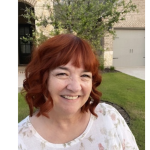
Jen Weber
Jen has been a fiber addict since the early 2000s. Her background in mathematics heavily influences her love of pattern, and she strives to translate such “heavy” topics into understandable projects for all of her students.
$50.00 / 30 min

New to Lessonface
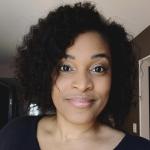
Amy Roberts Shelton
Amy Shelton is a fiber artist, instructor, and crochet designer. For the last eight years, she has owned SPARKLE Studio, a working and teaching fiber arts studio and local yarn shop located at the historic Lowe Mill ARTS & Entertainment in Huntsville, AL. She is an expert crocheter who has been crocheting since the age of 9.
$25.00 / 30 min

5 yrYears
Teaching on Lessonface
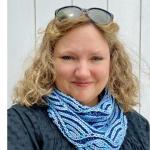
Katrina Stone
I love to teach others the joy of working with their hands. I specialize in Macrame and Macra-weaving. I make learning the basics fun and as simple as possible. If you can tie your shoes, then you can macrame. Then I encourage each student to explore as he/she creates finished projects suitable for showing off to friends and family.
$30.00 / 30 min

1 yrYear
Teaching on Lessonface
Cindy Irwin
Cindy Irwin has been hooking rugs since 1983. She is a certified McGown teacher, holds classes in her home, studio, and is a traveling teacher. She is a juried member of the Pennsylvania Guild of Craftsmen and in Rug Hooking Magazines' Celebration of Fame. Cindy is well known among her students for embellishing rugs with gemstones and hooking with mixed media.
$90.00 / 30 min
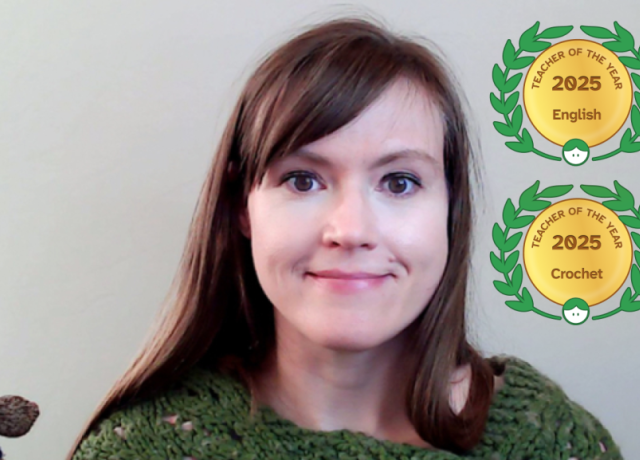
Photo: Erin R
Erin did an excellent job, instructions being very clear and concise, easily understood by a nine year old. She didn’t move too quickly, so the child did not get lost or frustrated, and the little rhyme helped. Thank you.
Want help finding your ideal fiber arts teacher?
Fill out the quick form and teachers who fit your needs will be in touch.
Join live sessions and learn alongside others.
Upcoming Live Classes
4.8
Average Rating
10+
Student Ratings
~$105
Avg. Price

Yarnitecture: Building Exactly the Yarn You Want with Jillian Moreno (First Offering)
 Jillian Moreno
 Sold Out
UTC

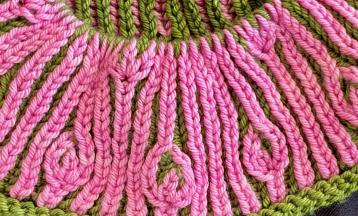
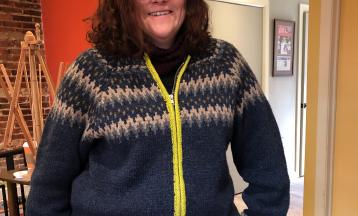
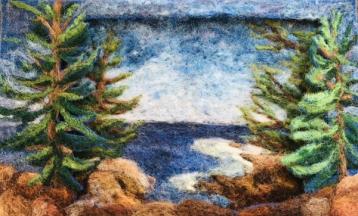
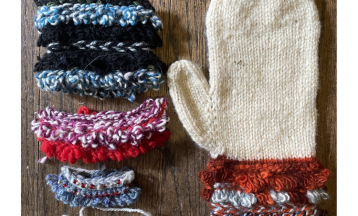
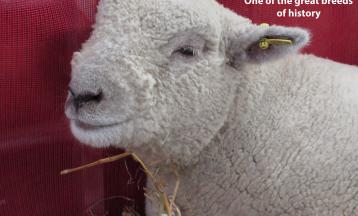
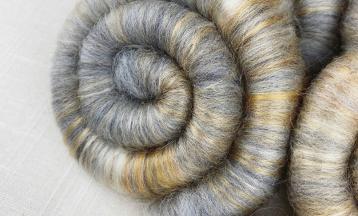
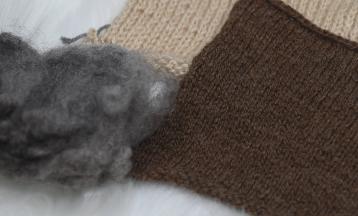
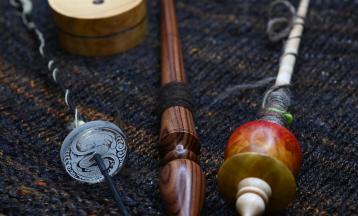
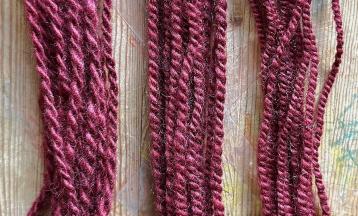
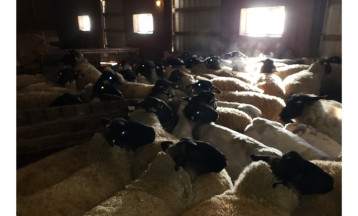
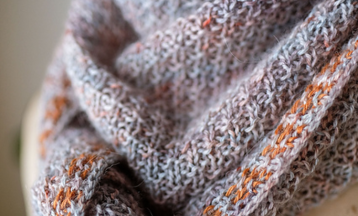
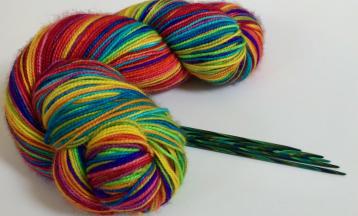
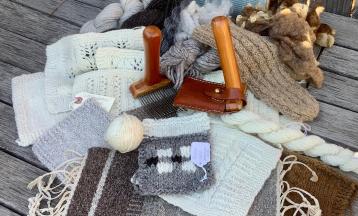
Yarnitecture: Building Exactly the Yarn You Want with Jillian Moreno (Second Offering)
Jillian Moreno Sold Out
UTC
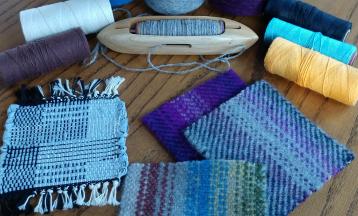
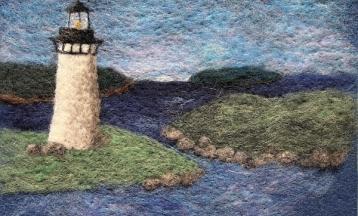
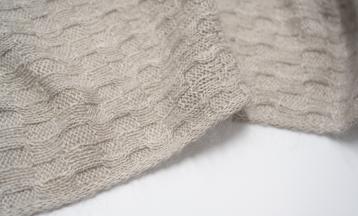
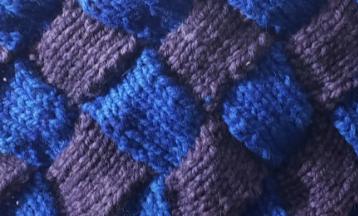
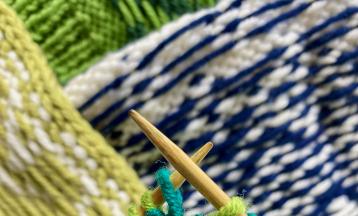
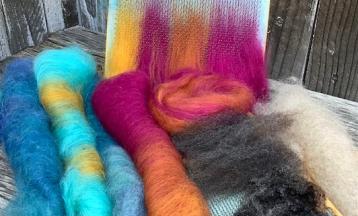
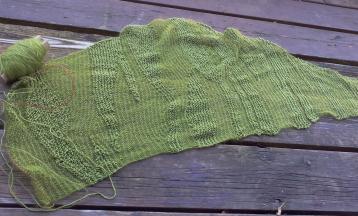
Conquer Your Fears! Master Short Rows and Fearlessly Knit a Scarf/Shawl Without a Pattern! with Kimberly Langley
 Kimberly Langley
 UTC
$85.00
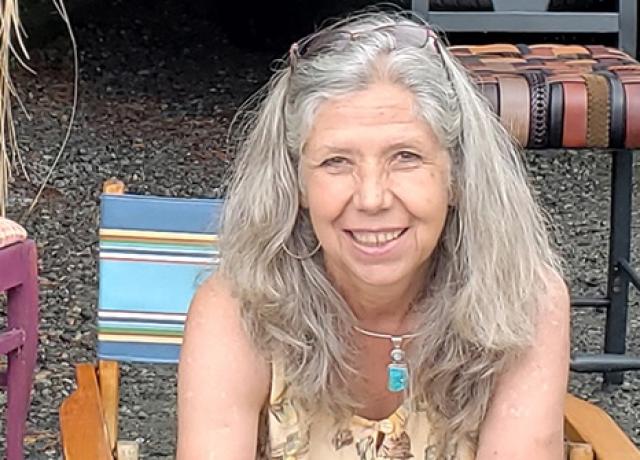
Photo: Sue Muldoon


Great Fiber Arts Teachers
Through our longstanding commitment to treat teachers equitably, we work with phenomenal instructors — including members of the MET Orchestra, Juilliard and Berklee alumni, GRAMMY® winners and nominees, and many other professional educators.
View Teachers 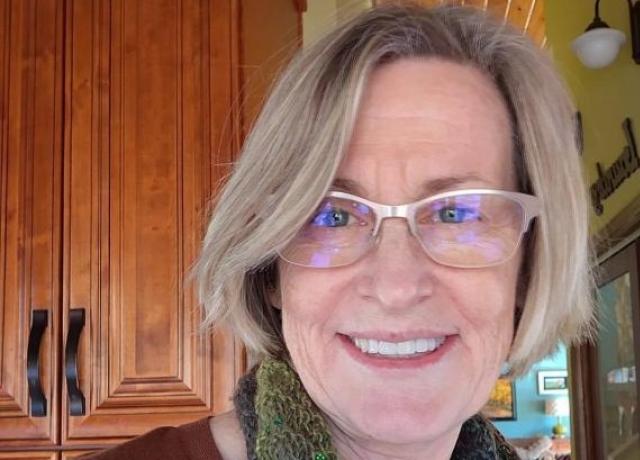
Photo: Katrina Stone
About Fiber Arts Lessons at Lessonface
Find a great teacher, securely book a first lesson or trial, and meet via Zoom. Lessonface handles the lesson links and sends you reminders. Recordings, assignments, and notes are easy to access before, during, and after the lesson.
View Teachers 











Latest from the Blog
Tips, stories, and interviews from the Fiber Arts community.
Lessonface Guarantee
Reach out to tell us within 48-hours of taking an unsatisfactory lesson, class, or course, and we will offer you a refund. Read more about the guarantee.
Designed for All Ages
Creating a joyful, safe, and convenient educational experience for our students is our goal. Learn more about our kid-friendly features here, or read our privacy policy and safety precautions here.
Have more questions? Check out our FAQ, or reach out.
About Lessonface
At Lessonface, we've held our mission of helping students achieve their goals while treating teachers equitably for over ten years. We're here to help you connect to your ideal teacher and make real progress. Please reach out with any questions or concerns.
 Claire Cunningham
- Founder & CEO
What is the best method for learning Fiber Arts ?
We're biased, of course, but at Lessonface we believe the best way to learn Fiber Arts is through one-on-one lessons. Personalized instruction means your teacher can tailor every lesson to your goals, learning style, and skill level. Online group classes can also be a great way to make learning fun and social. Learning Fiber Arts online makes it easy to stay consistent, which is essential to steady progress.
There are plenty of apps and YouTube videos out there to help with learning Fiber Arts, but most teachers agree that those resources work best as supplements to, not replacements for, one-on-one instruction. A skilled Fiber Arts teacher can identify bad habits before they become ingrained, help you focus on what matters most, and solve problems as soon as they arise, often saving you months of frustration and wasted practice time. The bottom line? A real teacher accelerates your progress and keeps you on the right path from day one.
How do online Fiber Arts lessons work?
Online lessons are effective, affordable, and accessible. Lessonface qualifies teachers in over 300 music, language, and arts subjects, including Fiber Arts. Students can browse teachers' profiles, send them messages, and book lessons securely through Lessonface. Lessons happen via Zoom links that are securely generated for each lesson, and can be easily recorded by the teacher. Recordings, notes, and attachments can all be accessed from within the Lessonface dashboard. Lessons can be booked one at a time, in packages, or by subscription to save a spot on the teacher's calendar. Lessonface hosts recitals, open mics, group classes, and self-paced courses too. Registering an account is free so it's easy to get started reaching out to find your ideal instructor. Contact us with any further questions!
How do I find the best teacher for me for Fiber Arts lessons?
With over 100 qualified Fiber Arts teachers who have together earned an average of 5 out of 5 stars over 7 lesson reviews by verified students, you can be sure to find a great instructor at Lessonface.
Lessonface offers free tools to help you find the ideal tutor for you or your family:
- Use the open filtering system
- Use our matching service to describe your background, scheduling preferences, and any particular goals, and qualified Fiber Arts teachers will respond.
You can view teachers' bios, accolades, rates, send them a message and book lessons from their profiles.
Many teachers offer a free trial, and you can book lessons one at a time until you decide you prefer to book a bundle or subscribe, so don't hesitate to try. Teachers may also offer group classes, self-paced courses, and downloadable content, so there are more ways to get started while you're still getting acquainted with the community.
How much do Fiber Arts lessons cost?
Fiber Arts teachers on Lessonface set their own rates. Rates are displayed on the teachers' profile pages and in the checkout process prior to booking. Teachers may choose to change their rates for new bookings, and students will always be notified prior to making payment. The average price for a Fiber Arts lesson offered at Lessonface is currently $77.26.
The average paid for a Fiber Arts lesson 5 years ago was $0.00. Some Fiber Arts teachers offer a free trial lesson to new students, which are not factored into the average prices.
How does payment work for Fiber Arts lessons?
There is no fee until you book your first paid lesson. Many teachers offer free trial lessons. Students can opt to book one a time, or purchase lesson packages or subscriptions for scheduling convenience, and, depending on the teachers, a discount. Payment can be made by credit card or Paypal. Lessons booked with a subscription are pre-paid three days before the end of the month for lessons that are scheduled for the following month. Subscription payments can only be made by credit card (not Paypal). Teachers receive their payment after the lesson has been completed.
What are Fiber Arts?
Fiber arts is a broad creative category that encompasses any craft involving textiles, yarn, thread, or fabric. This includes:
- Hand weaving
- Embroidery
- Knitting
- Crocheting
- Sewing
- Needle felting
- Hand spinning
- Macramé
- Quilting
- Lacemaking
The beauty of fiber arts is that there's something for every interest and skill level. Some fiber arts like embroidery or knitting require minimal equipment and space, making them perfect for beginners or anyone with limited room. Others like hand weaving involve specialized equipment like looms but offer incredible creative possibilities. Whether you're drawn to the meditative rhythm of spinning wool, the precision of needlework, or the structural creativity of weaving, fiber arts provide a rich world of tactile, hands-on creativity to explore.
Lessonface offers group classes and private lessons in various fiber arts disciplines, making it easy to explore multiple crafts or dive deep into one specialty that captures your interest.
I've never done any Fiber Arts before - which craft should I start with?
The best fiber art to start with depends on your interests, available space, and budget. If you're looking for something portable and low-cost, embroidery, knitting, or crocheting are excellent starting points. These crafts require minimal equipment—just needles, thread or yarn, and fabric—and you can practice anywhere. They're also very forgiving for beginners, letting you start with simple projects and gradually build your skills.
If you're drawn to creating functional items like clothing or home decor, sewing might be your ideal starting point. Basic hand sewing requires very little equipment, though many sewers eventually invest in a sewing machine. For those interested in textile design and pattern, hand weaving offers incredible creative possibilities, though it does require a loom (which can range from small, affordable lap looms to larger floor looms).
The wonderful thing about fiber arts is that skills often transfer between disciplines. Learning one craft can make picking up another easier down the road. Many Lessonface students enjoy exploring multiple fiber arts over time.
The best way to decide is to try a group class in whatever catches your eye. Lessonface offers beginner-friendly group classes in various fiber arts, giving you a low-commitment way to explore different techniques before investing in extensive equipment or private lessons. You might discover a passion you didn't expect!
I already know how to knit - what other Fiber Arts might I enjoy?
If you already knit, you have a great foundation for exploring other fiber arts! Many knitters find crocheting to be a natural next step—it uses similar yarn and teaches you different techniques for creating fabric from loops. The skills complement each other beautifully, and many fiber artists enjoy doing both.
Hand spinning is another wonderful option for knitters. Learning to spin your own yarn deepens your understanding of fiber and texture, and there's something magical about knitting with yarn you've spun yourself. It also opens up possibilities for creating custom yarn weights and blends.
If you're interested in surface design, embroidery lets you add decorative elements to knitted pieces or explore needlework on fabric. For knitters who love the structural and mathematical aspects of the craft, hand weaving offers similar satisfactions—understanding how threads interlace to create pattern and texture, planning color sequences, and working with your hands to create fabric from individual strands.
Needle felting is quite different from knitting but uses similar materials (wool fiber) in a sculptural way. And if you've ever wanted to sew garments or accessories, your knitting experience gives you excellent understanding of how fabric drapes and moves.
One good way to explore is to browse Lessonface's group classes in fiber arts. Group classes give you a low-commitment way to try different techniques, meet other fiber artists, and discover which crafts resonate with you before diving into private lessons.
Are Fiber Arts better learned in group classes or private lessons?
Both group classes and private lessons have distinct advantages for learning fiber arts—the best choice depends on your goals and learning style.
Group classes are an excellent starting point, especially if you're exploring a new fiber art or aren't sure which craft to pursue. They offer a low-commitment, affordable way to try different techniques without a major investment of time or money. Group classes also provide the benefit of learning alongside other students—you'll see how others approach problems, get inspired by their projects, and build connections with fellow fiber artists. Many students find the social aspect of group classes motivating and enjoyable, and it's wonderful to share the creative journey with others who are equally excited about the craft.
Private lessons are ideal when you want to go deeper into a specific fiber art or have particular goals in mind. With one-on-one instruction, your teacher can adapt lessons to your specific interests, skill level, and projects. If you're working on a complex weaving pattern, want to master a particular embroidery technique, or need help troubleshooting challenges with your spinning wheel, private lessons give you focused, personalized guidance. Private instruction also moves at your pace—your teacher can slow down on tricky concepts or accelerate through material you grasp quickly.
Many Lessonface students find that combining both formats works beautifully—starting with group classes to explore and build foundational skills, then moving to private lessons when they're ready for more advanced, personalized instruction.
How do I find a teacher who specializes in the Fiber Art I want to learn?
Start by browsing our Fiber Arts teacher profiles. Each instructor lists their specialties, teaching style, and areas of expertise in their profile description. You'll see whether a teacher focuses on embroidery, weaving, spinning, or other specific crafts, along with details about their teaching approach and experience.
Pay attention to teachers' descriptions of what they offer. Some fiber arts instructors specialize in one discipline, while others teach multiple techniques. Teachers often mention whether they work with beginners, intermediate students, or advanced practitioners, and may describe specific techniques or styles they emphasize—for example, traditional embroidery stitches, tapestry weaving, or art yarn spinning.
If you're not sure whether a teacher is the right match for your goals, don't hesitate to reach out via message before booking a lesson. Teachers are happy to answer questions about their expertise, discuss what you're hoping to learn, and help you determine if their teaching style aligns with your needs. This is especially helpful if you have a specific project in mind or want to learn a particular technique.
You can also explore group classes to get a sense of different teachers' styles. Many instructors who teach group classes also offer private lessons, so attending a group class can be a great way to see if a teacher's approach resonates with you before committing to ongoing private instruction.