





Find Knitting Lessons with Excellent Teachers

Discover experienced, passionate Knitting teachers to help you reach your next level.


Amy Roberts Shelton

Dawn, The Stitching Coach
Varlessa
Erin did an excellent job, instructions being very clear and concise, easily understood by a nine year old. She didn’t move too quickly, so the child did not get lost or frustrated, and the little rhyme helped. Thank you.

Want help finding your ideal knitting teacher?
Join live sessions and learn alongside others.
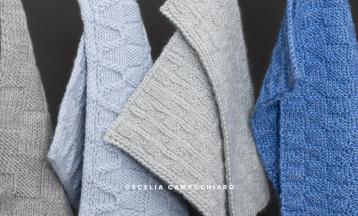

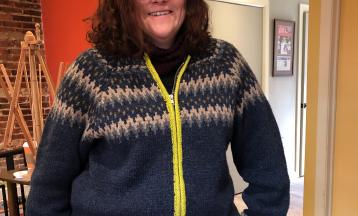
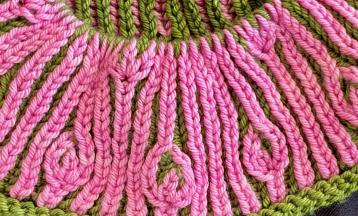

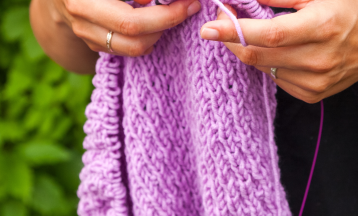
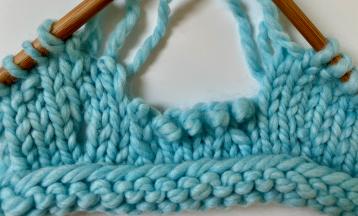
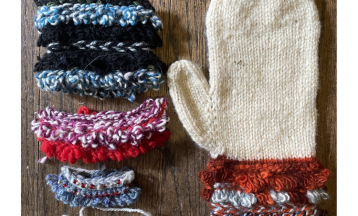
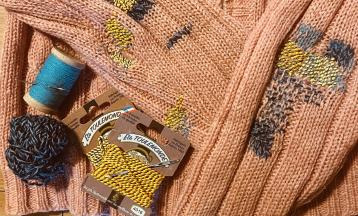
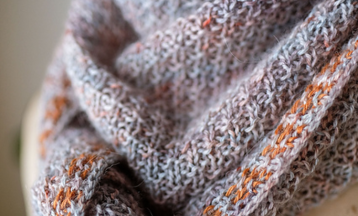
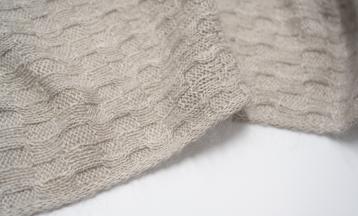
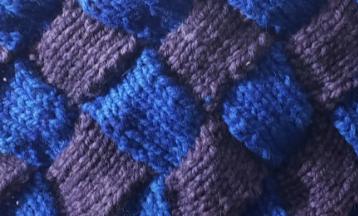
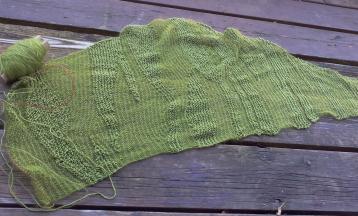
Conquer Your Fears! Master Short Rows and Fearlessly Knit a Scarf/Shawl Without a Pattern! with Kimberly Langley
 Kimberly Langley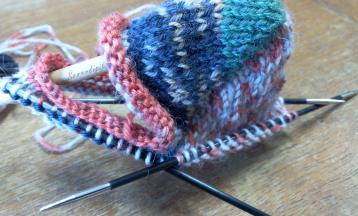


Great Knitting Teachers
About Knitting Lessons at Lessonface













Lessonface Guarantee
Designed for All Ages
Creating a joyful, safe, and convenient educational experience for our students is our goal. Learn more about our kid-friendly features here, or read our privacy policy and safety precautions here.
Have more questions? Check out our FAQ, or reach out.
About Lessonface
At Lessonface, we've held our mission of helping students achieve their goals while treating teachers equitably for over ten years. We're here to help you connect to your ideal teacher and make real progress. Please reach out with any questions or concerns.
 Claire Cunningham
- Founder & CEO
What is the best method for learning Knitting ?
We're biased, of course, but at Lessonface we believe the best way to learn Knitting is through one-on-one lessons. Personalized instruction means your teacher can tailor every lesson to your goals, learning style, and skill level. Online group classes can also be a great way to make learning fun and social. Learning Knitting online makes it easy to stay consistent, which is essential to steady progress.
There are plenty of apps and YouTube videos out there to help with learning Knitting, but most teachers agree that those resources work best as supplements to, not replacements for, one-on-one instruction. A skilled Knitting teacher can identify bad habits before they become ingrained, help you focus on what matters most, and solve problems as soon as they arise, often saving you months of frustration and wasted practice time. The bottom line? A real teacher accelerates your progress and keeps you on the right path from day one.
How do online Knitting lessons work?
How do I find the best teacher for me for Knitting lessons?
With over 100 qualified Knitting teachers who have together earned an average of 5 out of 5 stars over 3 lesson reviews by verified students, you can be sure to find a great instructor at Lessonface.
Lessonface offers free tools to help you find the ideal tutor for you or your family:
- Use the open filtering system
- Use our matching service to describe your background, scheduling preferences, and any particular goals, and qualified Knitting teachers will respond.
You can view teachers' bios, accolades, rates, send them a message and book lessons from their profiles.
Many teachers offer a free trial, and you can book lessons one at a time until you decide you prefer to book a bundle or subscribe, so don't hesitate to try. Teachers may also offer group classes, self-paced courses, and downloadable content, so there are more ways to get started while you're still getting acquainted with the community.
How much do Knitting lessons cost?
How does payment work for Knitting lessons?
What supplies do I need to start learning to knit?
You need surprisingly little to start learning! At minimum, you'll need a pair of knitting needles and some yarn. That's really it—knitting is one of the most accessible fiber arts to begin because the basic supply investment is so manageable.
For your first lessons, medium-weight yarn (often labeled as worsted weight or size 4) in a light color works best. Light colors make it easier to see your stitches clearly on camera so your teacher can spot any issues and help you correct them. Avoid very dark colors, fuzzy or textured yarns, and super bulky or super thin yarns when you're just starting out—these can make it harder to see what you're doing.
As for needles, size US 7, 8, or 9 straight needles (about 10 inches long) are ideal for beginners. These sizes work well with worsted weight yarn and aren't too small or too large for developing coordination.
You don't need needle gauges, stitch markers, row counters, or any other fancy tools when you're first learning the basic knit and purl stitches. These accessories become helpful later as you tackle more complex projects, but they're not necessary for your initial lessons.
Your Lessonface teacher will often recommend specific yarn weight and needle size before your first lesson based on what you'll be learning. Some teachers even suggest particular beginner-friendly yarn brands that are easy to work with and reasonably priced. During a trial lesson, your teacher can look at whatever supplies you have on hand and let you know if they'll work or if you should pick up something different.
The beauty of knitting is that once you have needles and yarn, you can practice anywhere—no special equipment, no power source, just you and your project.
What's the difference between knitting and crocheting?
Knitting and crocheting are both fiber arts that create fabric from yarn, but they use different tools and techniques. Knitting uses two needles and creates fabric by forming loops that remain "live" on the needles—many stitches are active at once. Crocheting uses a single hook and works with one active loop at a time, building fabric by pulling new loops through existing ones.
The resulting fabrics feel and look different too. Knitted fabric tends to be thinner, drapier, and more elastic, which makes it ideal for garments like sweaters, socks, and fitted clothing. The stitches interlock in a way that creates a stretchy, smooth texture. Crochet fabric is typically thicker, sturdier, and less stretchy, which works beautifully for items like blankets, bags, amigurumi (stuffed toys), and decorative items.
Knitting is generally better for creating stretchy, fitted garments and works up more slowly but with finer detail. Crochet is faster for many projects, more forgiving with gauge variations, and excels at textured patterns and three-dimensional shapes.
Some fiber artists learn both and choose which to use based on the project. Others fall in love with one and stick with it exclusively. Lessonface offers teachers who specialize in both knitting and other fiber arts. You can browse teacher profiles to see their specialties, and if you're curious about both crafts, some instructors can introduce you to each to help you decide which resonates with you.
What types of projects are best for beginner knitters?
The best beginner knitting projects are simple, repetitive, and forgiving—letting you focus on building consistent technique without getting overwhelmed by complicated shaping or pattern reading. Flat, rectangular projects that use basic knit and purl stitches are ideal starting points.
Scarves are classic first projects for good reason. They're just long rectangles with no increases, decreases, or shaping to worry about. You cast on, knit until it's long enough, and bind off. The repetitive nature helps you develop even tension and comfortable rhythm. Garter stitch scarves (knitting every row) are the simplest, while adding purl rows introduces you to stockinette or ribbing patterns.
Cowls and infinity scarves knit flat and seamed are another great option. They're essentially short scarves that you sew into a loop, giving you practice with finishing techniques while keeping the actual knitting simple.
Avoid projects with complex colorwork, cables, lace patterns, or extensive shaping when you're just starting out. Also skip anything knit in the round (using circular needles) until you're comfortable with flat knitting—circular knitting introduces additional techniques that are easier to learn once you've mastered the basics.
The key is choosing something where the focus is on repetitive practice of basic stitches rather than following complex instructions. Your Lessonface teacher can recommend specific beginner-friendly patterns and help you choose a first project that matches your goals and patience level. They can also guide you through reading simple patterns and making modifications if needed.
What's the difference between English and Continental knitting styles?
English and Continental knitting are two different techniques for holding your yarn and forming stitches, but both produce identical finished fabric. The difference is in the mechanics, not the results.
In English knitting (also called throwing), you hold the working yarn in your right hand and "throw" it around the needle to form each stitch. The right needle moves more, and you use your right hand to wrap the yarn. This style is common in the United States and United Kingdom and feels intuitive to many beginners.
In Continental knitting (also called picking), you hold the working yarn in your left hand and "pick" it with the right needle to form stitches. Your left hand stays relatively still, and the yarn tension is controlled by your left fingers. This style is popular in Europe and is often considered slightly faster once mastered because it involves less hand movement.
Neither style is better or more correct—it's purely personal preference. Some knitters find English easier to learn initially because the movements feel more natural. Others prefer Continental because it can be faster and requires less repetitive motion, which some people find more comfortable over long knitting sessions.
If you already crochet, you might find Continental knitting easier since you're already used to holding yarn in your left hand. If you've never done fiber arts before, either style works perfectly fine.
Your Lessonface teacher can teach you whichever style you'd like to learn, or even introduce you to both so you can try each and see which feels better. Most teachers are proficient in both methods and can demonstrate either one clearly on camera. Some knitters even learn both styles and switch between them depending on the project or technique they're working on.
Should I learn to knit flat or in the round first?
Most knitting teachers recommend learning to knit flat first—that means knitting back and forth on straight or circular needles to create a flat piece of fabric. This is the simpler approach for beginners because you're only managing one technique at a time and can focus entirely on building consistent tension and mastering the basic knit and purl stitches.
When you knit flat, you work one row, then turn your work around and knit back in the opposite direction. This back-and-forth motion is straightforward and lets you see both sides of your fabric clearly as you work. If you make a mistake, it's easier to spot and fix because you're looking at each row from both angles as you go.
Knitting in the round uses circular needles or double-pointed needles to create a tube of fabric without seams—perfect for hats, socks, cowls, and seamless sweaters. While it's not dramatically harder than flat knitting, it does introduce additional considerations. You're always knitting on the "right side" of the fabric, which means you need to understand how stitches look from that perspective consistently. You also need to manage joining your work in a round without twisting, and keep track of your starting point.
Once you're comfortable with the basic knit and purl stitches and have completed a flat project or two, learning to knit in the round is a natural next step. Many knitters find they prefer circular knitting once they try it because there are no seams to sew up later, and the fabric grows quickly.
Your Lessonface teacher will likely start you with flat knitting to build your foundation, then introduce circular knitting when you're ready.