

























Find Your Ideal Guitar Teacher for Lessons Online
For beginners to advanced, kids & adults, these excellent Guitar teachers are vetted by staff experts and reviewed by verified students of online lessons at Lessonface.
View Teachers Related Topics
Discover experienced, passionate Guitar teachers to help you reach your next level.
100+
Vetted Teachers
5.0
Average Rating
9,900+
Student Ratings
~$35
Avg. Lesson Price
View All Teachers

5 yrYears
Teaching on Lessonface
Gabriela Weiss
Hi! I´m Gabriela Weiss and I have been playing guitar since I can remember! I have a degree in classical guitar from the Conservatorio Superior Manuel de Falla, in Buenos Aires, Argentina. I also have a masters on injuries prevention (caused by bad techniques), that means I will make sure that you are comfortable while playing, nothing should hurt while you practice!
$26.00 / 30 min

8 yrYears
Teaching on Lessonface
Emily Zimmer
Hey there! I'm Emily Zimmer, a music lesson teacher with 25 years of experience in recording, performing, and playing guitar, bass guitar, and writing music professionally. Throughout my career, I've had the privilege of teaching music lessons and classes to thousands of students for over 18 years.
$37.50 / 30 min

4 yrYears
Teaching on Lessonface
Federico Sposito
Hello everyone! I'm Federico. I've been playing guitar for 20 years and I've been teaching for more than 10. From the first time I played I knew it was gonna be for life. I work both as a musician and as a teacher. My job is a passion for me and it brings me joy to be able to share this passion with my students.
$20.00 / 30 min

11 yrYears
Teaching on Lessonface
Leah Kruszewski
Testing Modify Profile Welcome, students! I’m a flamenco and classical guitarist based in Seville, Spain, with seventeen years of teaching experience. I specialize in teaching flamenco guitar compás, technique, and repertoire and in guiding classical guitarists in developing their technique, repertoire, sight-reading and interpretive skills.
$35.00 / 30 min
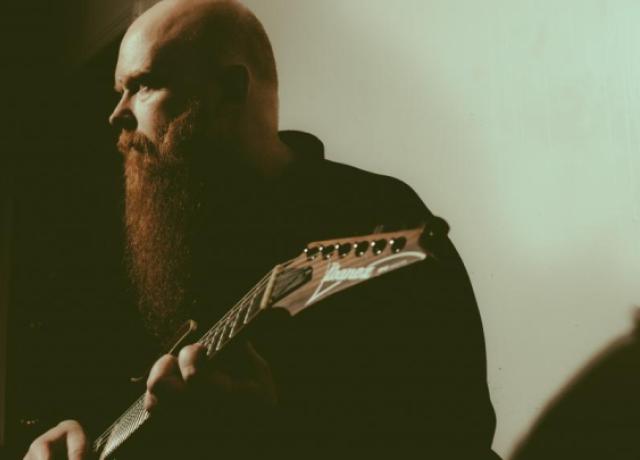
Photo: Ray Suhy
I've been playing guitar for 20 years - this was my first formal lesson. Ray was great at assessing my ability and not wasting a minute while also not giving me the impression that our short 45 minute session was rushed. He used every minute to either have me play something, explain some concept or demonstrate where we would go. I was able to see 'the big picture' so to speak within minutes of starting. Looking forward to continue working with Ray.

Want help finding your ideal guitar teacher?
Fill out the quick form and teachers who fit your needs will be in touch.
Join live sessions and learn Guitar alongside others.
Upcoming Live Classes
4.9
Average Rating
220+
Student Ratings
~$97
Avg. Price







Photo: Michelle Younger


Great Guitar Teachers
Through our longstanding commitment to treat teachers equitably, we work with phenomenal instructors — including members of the MET Orchestra, Juilliard and Berklee alumni, GRAMMY® winners and nominees, and many other professional educators.
View Teachers Photo: Ray Suhy
About Guitar Lessons at Lessonface
Find a great teacher, securely book a first lesson or trial, and meet via Zoom. Lessonface handles the lesson links and sends you reminders. Recordings, assignments, and notes are easy to access before, during, and after the lesson.
View Teachers Learn Guitar at your own pace with self-paced courses.
22
Self-Paced Courses
5.0
Average Rating
10+
Student Ratings







RHYTHM, King of the Omniverse: how to use it, speak it, arrange it and produce it
 Byron Fry
 12 chapters
$49.00





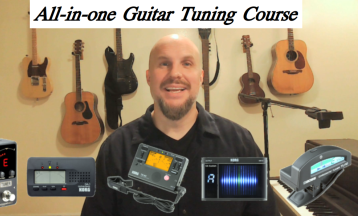
All-in-one guitar tuning course: How to get your guitar in tune no matter how drastically out of tune it is
 Tyson Farmer
 11 chapters
$20.00
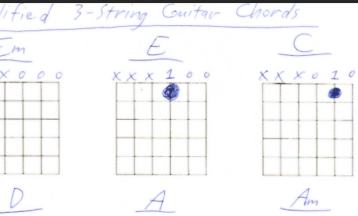
Downloadable materials include packs, guides, and exercises to help you learn.
19
Downloadables
5.0
Average Rating







Students have given their Lessonface
lessons over
37,500+ reviews.
After every lesson, I’m more keen and can’t wait to practice what I’ve been taught. I find Leah very ‘tuned-in’ to what I’m probably capable of learning without tampering any over-enthusiasm on my side.
Christopher is great! Really enjoy his approach. Structured, encouraging, fun. Feel like I'm making significant progress just a few weeks in, and if things continue at this rate, I'll be a fundamentally different player in a few months than I was a month ago. Highly recommended!
Making good progress. Solidifying some different techniques. Derrick throws out lots of options to make a particular sound easier to play
Andrew has such a warm and kind energy, I instantly felt at ease. My guitar skills are very basic. He helped me refine my strumming technique, and showed me some tips and tricks that helped me understand the fret board better, and move from one chord shape to another with more ease. He also helped me get more comfortable with finger-picking. I really recommend taking lessons with Andrew if you’re looking to build your guitar skills!
Having taken lessons with Cristobal over the last five years, I feel I have progressed significantly, and my musicianship has grown exponentially.












Latest from the Blog
Tips, stories, and interviews from the Guitar community.



Lessonface Guarantee
Reach out to tell us within 48-hours of taking an unsatisfactory lesson, class, or course, and we will offer you a refund. Read more about the guarantee.

Designed for All Ages
Creating a joyful, safe, and convenient educational experience for our students is our goal. Learn more about our kid-friendly features here, or read our privacy policy and safety precautions here.
Have more questions? Check out our FAQ, or reach out.
About Lessonface
At Lessonface, we've held our mission of helping students achieve their goals while treating teachers equitably for over ten years. We're here to help you connect to your ideal teacher and make real progress. Please reach out with any questions or concerns.
 Claire Cunningham
- Founder & CEO
What is Lessonface?
Lessonface is a Public Benefit Corporation operating since 2012 whose purpose is to connect students with great teachers for music, language, and arts lessons. Teachers on Lessonface set their own rates and profiles, and students can select their ideal teachers based on their background, teaching style, rates, and schedule.
How do online Guitar lessons work?
Online lessons are effective, affordable, and accessible. Lessonface qualifies teachers in over 300 music, language, and arts subjects, including Guitar. Students can browse teachers' profiles, send them messages, and book lessons securely through Lessonface. Lessons happen via Zoom links that are securely generated for each lesson, and can be easily recorded by the teacher. Recordings, notes, and attachments can all be accessed from within the Lessonface dashboard. Lessons can be booked one at a time, in packages, or by subscription to save a spot on the teacher's calendar. Lessonface hosts recitals, open mics, group classes, and self-paced courses too. Registering an account is free so it's easy to get started reaching out to find your ideal instructor. Contact us with any further questions!
What is the best method for learning Guitar ?
We're biased, of course, but at Lessonface we believe the best way to learn Guitar is through one-on-one lessons. Personalized instruction means your teacher can tailor every lesson to your goals, learning style, and skill level. Online group classes can also be a great way to make learning fun and social. Learning Guitar online makes it easy to stay consistent, which is essential to steady progress.
There are plenty of apps and YouTube videos out there to help with learning Guitar, but most teachers agree that those resources work best as supplements to, not replacements for, one-on-one instruction. A skilled Guitar teacher can identify bad habits before they become ingrained, help you focus on what matters most, and solve problems as soon as they arise, often saving you months of frustration and wasted practice time. The bottom line? A real teacher accelerates your progress and keeps you on the right path from day one.
How do I find the best teacher for me for Guitar lessons?
With over 100 qualified Guitar teachers who have together earned an average of 5 out of 5 stars over 9981 lesson reviews by verified students, you can be sure to find a great instructor at Lessonface.
Lessonface offers free tools to help you find the ideal tutor for you or your family:
- Use the open filtering system
- Use our matching service to describe your background, scheduling preferences, and any particular goals, and qualified Guitar teachers will respond.
You can view teachers' bios, accolades, rates, send them a message and book lessons from their profiles.
Many teachers offer a free trial, and you can book lessons one at a time until you decide you prefer to book a bundle or subscribe, so don't hesitate to try. Teachers may also offer group classes, self-paced courses, and downloadable content, so there are more ways to get started while you're still getting acquainted with the community.
How much do Guitar lessons cost?
Guitar teachers on Lessonface set their own rates. Rates are displayed on the teachers' profile pages and in the checkout process prior to booking. Teachers may choose to change their rates for new bookings, and students will always be notified prior to making payment. Some Guitar teachers offer a free trial lesson to new students, which are not factored into the average prices.
How does payment work for Guitar lessons?
There is no fee until you book your first paid lesson. Many teachers offer free trial lessons. Students can opt to book one a time, or purchase lesson packages or subscriptions for scheduling convenience, and, depending on the teachers, a discount. Payment can be made by credit card or Paypal. Lessons booked with a subscription are pre-paid three days before the end of the month for lessons that are scheduled for the following month. Subscription payments can only be made by credit card (not Paypal). Teachers receive their payment after the lesson has been completed.
Can I learn guitar online as a complete beginner?
Yes, absolutely! You can learn guitar online as a complete beginner. Lessonface guitar teachers have taught thousands of first guitar lessons to brand new guitarists, and those students have come a long way since day one.
Online lessons work particularly well for beginners because your teacher can see your hands, posture, and technique clearly through the camera. They'll guide you step-by-step through the basics—how to hold the guitar, how to tune it, proper hand positioning, and your first chords. Many teachers share their screen to show you chord diagrams, tablature, or sheet music in real-time.
Plus, learning online gives you some unique advantages: you can record your lessons to review later, practice in the comfort of your own home, and access great teachers from anywhere in the world. You're not limited to whoever happens to teach in your local area.
Is it too late to learn guitar as an adult?
It's never too late to learn guitar! Guitar is a flexible instrument, and students of just about any age can learn to play. In fact, many Lessonface guitar teachers say that adult students often progress faster than children because they're self-motivated, have better focus, and practice more consistently.
Adults have unique advantages as learners. You can understand abstract musical concepts more easily, you're learning because you genuinely want to (not because a parent signed you up), and you likely have specific musical goals in mind—whether that's playing campfire songs, playing a favorite Spanish guitar piece, or jamming with friends.
It's true that children's brains are more elastic and they may pick up certain motor skills slightly faster. But adults are perfectly capable of building the muscle memory and coordination needed for guitar. The real keys to success are consistent practice and patience with yourself.
Your Lessonface guitar teacher will adapt techniques to work for your body and your learning pace.
Do I need to learn music theory to play guitar?
No, you don't need to learn music theory to play guitar. Plenty of successful guitarists have never studied theory formally. You can learn chords, play songs, and even write your own music without understanding the theory behind it.
That said, music theory can be very helpful. Even basic theory—understanding how chords are built, how keys work, and how chord progressions function—can accelerate your progress and deepen your musical understanding. It helps you learn songs faster, communicate with other musicians, and unlock the fretboard in ways that feel almost magical once it clicks.
Think of music theory as a tool, not a requirement. You can play guitar without it, but learning some theory along the way will make you a more versatile and confident guitarist. Many guitar teachers weave theory concepts into lessons naturally, teaching you what you need when you need it, rather than making it feel like a separate subject.
What equipment do I need to start playing guitar?
To start playing guitar, you need surprisingly little:
The essentials:
- An guitar of the appropriate size for your body and type (steel string or nylon string) for the music you want to play
- A tuner to keep your guitar in tune—clip-on tuners are inexpensive and easy to use
- Properly strung and set up guitar—if you're buying used or haven't played in years, have a professional check that the guitar is in good playing condition
Nice-to-have additions:
- Guitar strap if you want to play standing up
- Guitar stand to keep your instrument safe and accessible (guitars left in cases get played less often!)
- Music stand for holding chord charts, sheet music, or your device during lessons
- Metronome to help you develop steady rhythm and timing
Start with the basics and add other equipment as your playing develops and you discover what will support your practice best.
Which guitar is best for beginners, acoustic or electric?
Short answer: The best kind of guitar for a beginner guitarist is the kind that will keep them playing.
Long answer: There's a myth that all students, regardless of their musical interests, should start on acoustic guitar. The reasoning is that acoustic guitar is harder to play and will develop hand strength. The flaw in this thinking is that many acoustic guitars—especially old ones, cheap ones, or ones in need of an action adjustment—are too hard for beginners to play, and often result in frustration, hand and finger pain, and giving up on the instrument. When students have an easy time learning the basics and can get the hang of techniques like barre chords with minimal difficulty, they're far more motivated to keep playing guitar.
That said, there's nothing wrong with starting out on acoustic guitar if that's what you really want to play. Have a professional examine the guitar and make sure it's in playable condition first, and consider using lighter gauge strings and/or a capo to make it easier to press down the strings at the beginning.
However, if you ultimately envision yourself rocking out on electric guitar, then electric guitar is what you should start learning on.