
Teaching Music to Non-Music Majors


Elizabeth Turner is a professional musician and educator who teaches Piano and Singing. She is available for online lessons on her Lessonface profile.
As 21st-century music educators, we must realize that some of our students may not want to major in music in college.
The pandemic brought to light that while we may have talented students in music, students are seeking out additional areas of study. Today, fields such as medicine, business, and law have boomed, with students wanting to focus on pre-med, pre-law, criminal justice, or entrepreneurial majors in college. We must still encourage these students in their musical endeavors, even if they do not want to make music a career.
Even if students choose another major, they may want to stay actively involved in music! Teachers must not get discouraged if a student does not want to major in music or attend a music conservatory. We must embrace the student that wants to pursue critical thinking, innovation, and exploration in other fields. Whether you are a high school teacher preparing your student for college, or are teaching in higher education, these tips will help you teach a non-music major.
Four Tips for Teaching Non-Music Majors:
1. Back to Basics
Non-music majors may need a brush-up or review in basic music theory, technique, history, or repertoire. If teaching at the collegiate level, you may encounter a student that participated in a high school music program but is now a senior in college. There may be a few years gap since the last time they had music instruction. Teachers should aim to meet the student at the level where they are, and avoid comparing them to music majors. A music major would dedicate more time to theory, technique, auditions, or performances at a competitive or advanced level.
2. Non-competitive environment
While a student may have a passion for music, they may not want to do it 24/7 as they might in a music conservatory setting. Teachers must put personal opinions or aspirations aside and respect the student's choices. A teacher can make the learning environment non-competitive while keeping a high standard and commitment to quality music instruction. A student should not feel threatened or overwhelmed by the amount of practice, technique, performances, or assessments. Finally, a teacher should create and maintain a sense of joy and purpose in musical instruction.
3. Outlet for expression
Non-music majors typically choose music as an elective in college in order to have a creative outlet. Students may be studying intense majors such as biochemical engineering or comparative literature and may want a break from their major once in a while! A music elective such as chorus or music appreciation is a beautiful course for non-music majors to have some fun. Students deserve the opportunity to create and discover themselves through music electives. Remember, your music course may be their only time in college where they can create, open up, or go on a journey of self-discovery.
4. Embrace the student’s interests
As educators we must enthusiastically accept and embrace the student's interests. Music will help students excel in their chosen major, enhancing their skills in public speaking, group assignments, or teaching their chosen subject matter through the arts. If your student shows talent in multiple areas, applaud their skills! Even non-music majors will most often want to continue taking private instruction on their principal instrument, in addition to attending live performances, or even composing.
Everyone should have the opportunity to create music in their life, and the opportunity does not have to be strictly reserved for music majors. I hope these tips will help you build your relationship with students and set your students up for success in the future!
 |
ABOUT ELIZABETH TURNER
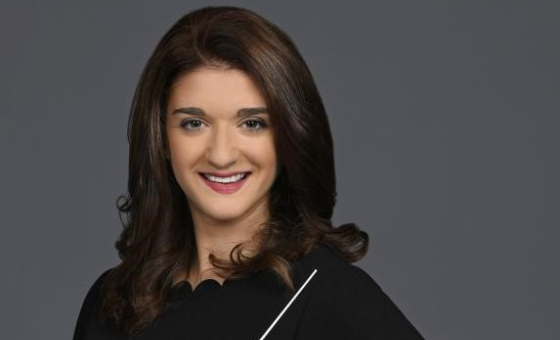
Elizabeth Turner, Soprano originally from Portsmouth, New Hampshire, is an accomplished performer who has captivated audiences across the globe. Trained in classical, jazz, musical theatre, and contemporary music. Elizabeth’s warm voice, playful attitude, and vibrant inner beauty come alive on the stage, screen, and in the studio. Elizabeth earned her degrees in Vocal Performance from the Berklee College of Music (M.M. & B.M.). She is a current Doctoral Candidate of Education and Director of Choral Activities at St. Thomas University. Elizabeth resides in Miami, Florida, with her Swiss Husband, Pianist/Composer Andreas Häberlin. |

Start Lessons
Search for your perfect music, language, or arts teacher and start working towards your learning goals.
Start with a Free Trial
Teachers on Lessonface set their own rates and discounts. Participating teachers offer free trials.
Great Teachers, Great Lessons, Guaranteed
Learn more about the greatest universe for online music and arts lessons.

Lessonface Recitals, Open Mics, Masterclasses, and Jams
Welcome students of all ages and skill levels!