
Lessonface Band Instrument Guide
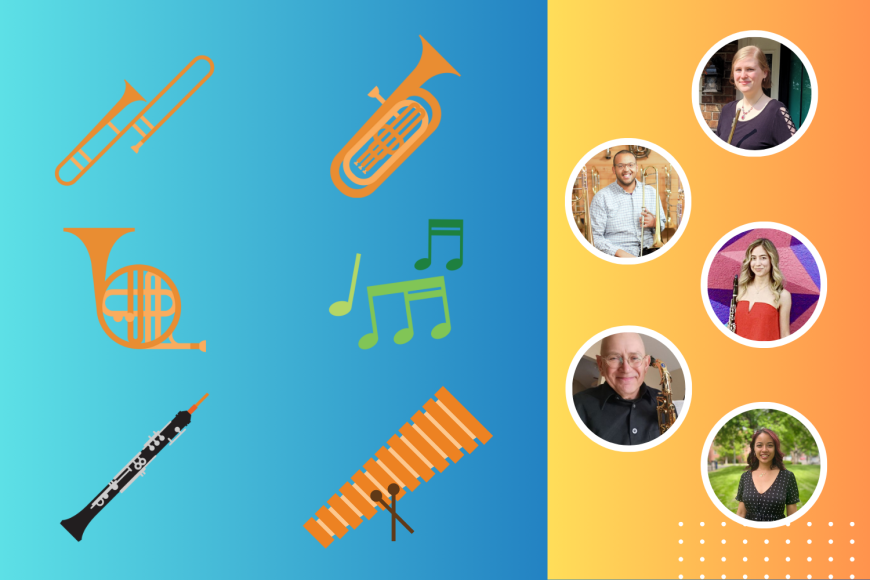

Welcome to The Lessonface Band Instrument Guide!
Joining your school band is a terrific way to learn an instrument and play music in a fun, social environment. Choosing an instrument can be daunting, especially for young students new to music, so we’ve put together this guide to help.
You’ll learn about the different instruments that make up a school band, how a typical school band differs from a school orchestra, and what factors to consider when deciding which instrument is right for you. We’ve compiled information from expert Lessonface instructors on the different instrument families, how each instrument works and sounds, what skills you’ll develop as you learn to play, and what equipment you’ll need to get started.
To hear the instruments played by our experts and for even more detailed, first-hand advice on choosing your band instrument and learning to play it, please check out our free Meet The Instruments self-paced course, sponsored by KHS America.
What Instruments Are In A School Band?
Many middle schools and high schools offer band and orchestra as separate ensembles. Both are great options for learning music and making friends. However, the sounds and instruments of the two ensembles are quite different.
Smaller school orchestras often include only string instruments (violin, viola, cello, and double bass). Larger schools may feature a full orchestra, which can include winds, brass, and/or percussion sections in addition to strings. School orchestras, whether full or just strings, primarily play classical music.
School bands, on the other hand, consist of brass instruments (like trumpet, trombone, and tuba), wind instruments (like flute, clarinet, and saxophone), and a percussion section. Bands offer a broad, dynamic range of sounds and perform a wide variety of music, from classical and jazz to contemporary and popular tunes. Also, depending on what’s available in your school and region, your band experience can prepare you for specialized activities later on, such as jazz band, marching band, and regional honor bands.
The first step in deciding what band instrument to play is to learn about the instruments, listen to them, and discover what you like. Read about the instruments and their families below, and don’t forget to explore the Meet The Instruments course for the full listening experience.
What Instruments Are In The Brass Family?
The instruments in the brass family produce sound when a player buzzes their lips on a mouthpiece while blowing air into a curved metal tube, which amplifies the sound. They are typically made of brass or other alloy metals and are known for their powerful, bright sound. Popular brass instruments in school bands include the trumpet, trombone, French horn, and tuba.
Brass instrument players develop a good musical ear, as they must hear pitches accurately in order to play in tune. They also develop strong breath control, as they must regulate airflow to change dynamics and play both loud and soft passages effectively. Additionally, brass players develop control of their embouchure, which is the way the lips and facial muscles are positioned on the mouthpiece. Proper embouchure is crucial for producing a consistent, clear tone and for changing pitch.
Brass instruments require physical strength and stamina to achieve and maintain good sound quality. The larger the instrument, the more physically demanding it can be, so keep that in mind when choosing.
Here's a bit more about the common brass instruments in school bands:
Trumpet
The trumpet is the highest-pitched instrument in the brass family. It often plays the melody in jazz ensembles, bands, and orchestras. You play the trumpet by holding it horizontally, buzzing your lips into the mouthpiece, and pressing down the three valves in different combinations to change pitch. You can also change the pitch by adjusting your airflow, which is how you reach very high or very low notes.
Getting Started with Trumpet
You'll need a few accessories to start playing the trumpet. In addition to the instrument itself, you’ll also need a mouthpiece. To learn more about getting started on the trumpet, enroll for free in our Meet the Instruments course, where you'll also enjoy hearing Lessonface teacher Zach Marley play his favorite Gustav Mahler piece. If you already know the trumpet is the instrument for you, you can enroll in live online trumpet lessons right here on Lessonface.
Trombone
The trombone has a lower range than the trumpet and often provides harmonic structure for the other instruments in the ensemble. Unlike most brass instruments, which use valves, trombonists move a slide back and forth. They use both the slide and their airflow to control the pitch. The trombone has a big, bold sound that’s perfect for all kinds of music, from classical orchestras to jazz bands and marching bands.
Getting Started with Trombone
The trombone has a few necessary accessories. Just like with the trumpet, you'll need to purchase a mouthpiece if it does not come with the instrument. You will also need a lubricant to keep the slide moving smoothly. To start learning trombone online today, enroll in one-on-one trombone lessons at Lessonface.
Tuba
The tuba is the lowest-pitched instrument in the brass family and provides a deep, rich tone in many types of ensembles. Often relied upon for the bass line, the tuba supports the harmony and adds depth to the overall sound. You play the tuba by holding it vertically, buzzing your lips into a large mouthpiece, and pressing down the valves in various combinations to change pitch. Despite its size and low range, the tuba can play with surprising agility, and many impressive solo pieces have been composed for it. In our Meet the Instruments course, Tuba instructor Zach Marley walks you through tuba accessories and his favorite pieces to play.
Getting Started with Tuba
You'll need a few accessories to get started on the tuba. Like the other brass instruments, you'll need a mouthpiece if it's not included. You will also need valve oil and tuning slide grease to keep the instrument working smoothly. One other accessory you might consider is a tuba rest or tuba stand, which helps maintain posture and reduces the instrument’s weight on your legs. Find your ideal teacher for online tuba lessons at Lessonface.
More Brass Instruments
- French Horn: Known for its circular shape and wide, flared bell, the French horn has a warm, smooth, and rich tone that blends well with both brass and woodwind sections. Players keep their right hand in the bell to control the sound and pitch, and its wide range makes it versatile for both melody and harmony. Learn how to choose a French horn and find your ideal online French horn teacher here.
- Euphonium: Similar in appearance to a small tuba, the euphonium produces a deep, mellow, and lyrical sound, making it ideal for both melodic and supporting roles in bands.
- Cornet: Similar to a trumpet, the cornet has a more compact shape and a slightly mellower, warmer tone.
- Flugelhorn: A close relative of the trumpet and cornet, the flugelhorn produces a soft, velvety tone.
What Instruments Are In The Woodwind Family?
Woodwind instruments are a family of musical instruments that produce sound when air is blown through or across a mouthpiece, causing a reed to vibrate or air to pass through a specific chamber. These instruments can be made of wood, metal, or plastic and are characterized by their warm, rich tones. Woodwinds include the flute, clarinet, oboe, bassoon, and saxophone.
Like brass players, woodwind players develop the ability to take deep, controlled breaths and manage airflow effectively. The flute, for example, requires a lot of air even though it’s a small instrument, since players direct a stream of air across an open hole rather than into a mouthpiece. All wind instruments develop a player’s ear for pitch, as slight changes in their embouchure can affect intonation and sound quality. Woodwind players develop nimble, coordinated fingers to play scales, arpeggios, and complex passages smoothly.
Here’s an overview of the most common woodwind instruments in school bands:
Flute
If you love the sound of the flute, that’s a great reason to consider learning it! The flute produces sound when the player’s air flows across the opening. Flute players are referred to as flutists or flautists, both of which are acceptable terms. Most flutes today are made of metal, and more expensive ones are made of materials like gold, silver, or gems. While your first flute doesn’t need to be fancy, it’s essential to start with a quality instrument.
Getting Started with Flute
To play the flute well, you’ll need a few accessories. For starters, you’ll need a tuner, metronome, and a music stand. Flutes require frequent cleaning, so you’ll also need supplies such as a cleaning rod, a cotton cleaning rag, and an untreated microfiber cloth for the outside of your flute. Musicians' earplugs are also a great way to protect your hearing from high notes. For more information on finding your first flute and the accessories you’ll need, read All You Need to Know to Start Flute Lessons and enroll in Erika Skye Andres’ course, Finding Your First or Forever Flute.
Saxophone
The saxophone is a versatile woodwind instrument known for its smooth, expressive sound. Saxophones play a wide range of parts, from soaring melodies to rich harmonies, and are featured in jazz, classical, and contemporary music. Alto and tenor saxophones are the most common varieties in school bands, though baritone and soprano saxophones may have occasional roles. You play the saxophone by holding it vertically, blowing into the mouthpiece, and using your fingers to press the keys, which change the pitch by opening and closing holes along the instrument. With its unique blend of brass-like resonance and woodwind flexibility, the saxophone has inspired many iconic solos.
Getting Started with Saxophone
Join Lessonface Teacher Willem Moolenbeek in our Meet The Instrument course as he guides you through the intricate workings of the saxophone, explaining how air travels through the cone-shaped body to create its distinctive high and low notes. If you're interested in getting started with saxophone lessons, check out our excellent online saxophone instructors at Lessonface.
Clarinet
The clarinet is a member of the woodwind family and is known for its smooth sound and wide range in pitch. The clarinet uses a mouthpiece with a single wood reed to produce sound. When a musician blows air into the mouthpiece, the reed vibrates, creating the clarinet’s beautiful tone. The clarinet can be found in many types of ensembles, including classical orchestras, jazz bands, and school concert bands.
Getting Started with Clarinet
The clarinet is a great choice if you want a wide range of performance opportunities and like the idea of playing both soft, lyrical melodies and fast, technical passages. Before choosing the clarinet, it is important to understand how to care for your reed, assemble your clarinet, and clean and maintain your instrument. For all you need to know on clarinet anatomy and cleaning, check out our Meet the Clarinet Guide from Lessonface clarinet teacher Liz Ramirez.
More Wind Instruments
- Oboe: A double reed instrument known for its clear, penetrating sound, the oboe often plays melodic lines in bands and orchestras and is noted for its distinct, slightly nasal tone. Browse our expert instructors to get started with online oboe lessons.
- Bassoon: A larger woodwind instrument that also uses a double reed, the bassoon produces a deep, rich, and warm sound. The bassoon plays lower-pitched notes and provides harmonic support and unique, expressive solos.
- Piccolo: A smaller relative of the flute pitched an octave higher, the piccolo produces a bright, piercing sound that adds brilliance and sparkle to band and orchestral music. Its high-pitched notes make it especially prominent in fast, energetic passages.
- Bass Clarinets: A larger, deeper variation of the clarinet, the bass clarinet adds depth and resonance to bass lines and harmonies.
- English Horn: A larger relative of the oboe, the English horn produces a low, mellow, lyrical sound.
What Are The Percussion Instruments?
A percussion instrument is any musical instrument that produces sound through being struck, shaken, or scraped by the player’s hands, sticks, or mallets. The percussion family contributes rhythm, color, and dramatic emphasis to a performance and encompasses a wide range of instruments, each requiring specific techniques and skills. Percussionists in a school band must be versatile multi-instrumentalists capable of switching from one instrument to another, even in the same piece.
A good sense of rhythm is an obvious must for any percussionist, but you’ll also acquire some new, perhaps unexpected, skills. For example, in addition to learning to read standard music notation for melodic instruments like xylophone and marimba, percussionists must also learn music notations specific to certain instruments. Additionally, as percussion accentuates the drama in the music, percussionists develop a refined sense of dynamics and expression to play everything from the softest rolls on the cymbals to powerful crashes on the bass drum.
Percussionists must be patient and attentive to detail and cues. They often have fewer notes to play than other instrumentalists, but they need to be highly focused to come in at exactly the right moment.
The instruments in a percussion section can vary quite a bit depending on a school’s size and resources. Browse Lessonface's expert percussion teachers to get started with online percussion lessons. Here are some instruments that you may learn to play as a percussionist in your school band:
- Xylophone, marimba, vibraphone, and glockenspiel: Melodic percussion instruments that feature wooden or metal bars arranged in a keyboard layout that produce pitched notes when struck.
- Timpani: Large, tunable drums that produce deep, resonant tones. They are often played in pairs or groups and require precise tuning to match specific pitches.
- Snare Drum: A drum with a sharp, crisp sound, thanks to the metal wires (snares) stretched across the bottom.
- Bass Drum: The largest drum in the section, producing low, powerful sounds that add depth and dramatic impact.
- Cymbals: Crash cymbals are used for loud, climactic moments and suspended cymbals are used for rolls and swells.
- Chimes: Large tubular bells that replicate the sound of church bells and add a grand, solemn tone to a piece.
- Auxiliary Percussion: Includes instruments like the castanets, wood block, cowbell, shaker, triangle, and tambourine, which add unique colors and rhythms to the music.
How to Choose Your Instrument
Choosing your instrument starts with discovering the sounds that resonate with you. Are you drawn to the bright, lively notes of the trumpet, the warm, rich tones of the saxophone, or the deep, supportive sounds of the tuba? Let the sounds you connect with guide your decision. However, making the best choice goes beyond sound preference; you’ll also want to consider the following practical matters, as they will impact your overall experience:
Ensemble Needs
For a balanced sound, a school band needs a certain number of players per instrument. Certain instruments, like the trombone or French horn, might be in high demand, making it easier to join if you select one of these. Conversely, more popular instruments like the alto saxophone may have many students competing for a limited number of spots. Being flexible, since selecting an instrument that fits the needs of your school band can provide more opportunities for participation and growth.
Physical Suitability
Physical suitability is an essential factor to consider when choosing a band instrument. You’ll develop strength and skills as you play, but you don’t want to make things too hard for yourself at the beginning. Larger brass instruments, like the tuba, require significant lung capacity and stamina, and a petite player might have a hard time holding the instrument comfortably. Instruments like the clarinet demand precise breath control but require less physical strength. The trombone requires good arm coordination for slide movement, and the oboe and bassoon require strong facial muscles due to their double reeds. Think about your size, strength, and overall physical stamina when deciding which instrument is the best fit for you.
Cost and Availability
Cost and availability are important practical concerns to consider. Many schools have larger instruments like the tuba available for loan, and you’d only need to purchase a mouthpiece. Some instruments, like the trumpet or clarinet, are affordable and commonly available, while others, such as the French horn or bassoon, can be more expensive and harder to find. Some instruments can be rented from local music stores, which is a great way to experiment without a large investment.
Before committing to an instrument, find out if your school provides it on loan or if you will need to rent or purchase one. Check with local music stores to find out what’s available. Be sure to factor in the costs of necessary accessories, such as reeds, mouthpieces, and maintenance supplies, to make an informed decision that aligns with your budget.
Practice Space and Noise Levels
An often-overlooked aspect of instrument choice is where and when you’ll be able to practice. If you live in an apartment or a house with close neighbors, practicing louder instruments like the trumpet, trombone, or saxophone might be challenging. Instruments like the flute and clarinet are quieter, making them more suitable for smaller spaces. If practicing at home isn’t an option, find out if there are practice rooms at school or local community centers where you can play without disturbing others.
Other Musical Interests
Consider your overall musical interests and long-term goals. Do you enjoy listening to classical music, which features instruments like the flute, oboe, and French horn? Are you drawn to contemporary music that uses the clarinet, saxophone, or trumpet? Or are you captivated by jazz, where the saxophone and trumpet often take center stage? Choosing an instrument that aligns with your musical taste will keep you inspired and engaged beyond school band. Your initial choice could shape the path of your future music journey, influencing whether you play in orchestras, jazz bands, or modern ensembles.
Remember, This Is Just the Beginning
With so many factors to consider, choosing your first instrument might feel overwhelming. It’s possible that you’ll need to compromise on your first choice due to practical limitations. Think of joining your school band as the start of a lifelong musical adventure. Your first instrument is just a stepping stone. After all, plenty of professional musicians―including many Lessonface teachers-started with one instrument and experimented with others before finding their true match. Read more about their journeys here. Embrace the experience, enjoy making music with your peers, and remember that switching instruments or trying new ones is always an option as you grow.

Start Lessons
Search for your perfect music, language, or arts teacher and start working towards your learning goals.
Start with a Free Trial
Teachers on Lessonface set their own rates and discounts. Participating teachers offer free trials.
Great Teachers, Great Lessons, Guaranteed
Learn more about the greatest universe for online music and arts lessons.

Lessonface Recitals, Open Mics, Masterclasses, and Jams
Welcome students of all ages and skill levels!