











Find Ukulele Lessons with Excellent Teachers
Grow your skills with the guidance of a great Ukulele teacher. Explore live online Ukulele lessons, group classes, and self-paced courses — all led by qualified teachers and reviewed by your fellow students.
View Teachers Related Topics
Discover experienced, passionate Ukulele teachers to help you reach your next level.
100+
Vetted Teachers
5.0
Average Rating
550+
Student Ratings
~$34
Avg. Lesson Price
View All Teachers

7 yrYears
Teaching on Lessonface
Ruthanne Neveu
"A musician of many talents who is passionate about playing all styles of music," is how I would describe myself. I have studied and practiced the viola under master musicians from San Jacinto College and the University of Texas at Brownsville, where I remained principal violist at both institutions throughout my academic studies and degrees earned.
$22.00 / 30 min

6 yrYears
Teaching on Lessonface
Blake Nix
Blake Nix is a Huntsville, AL-based singer/songwriter, guitarist, bassist, and instructor. He has performed around the country as a solo artist and with bands such as New York City-based Sticky Fingers and Nashville-based Hell's/Bells, among others. Blake released his album, 'Mr. Adams' Blues', independently in 2008.
$30.00 / 30 min

8 yrYears
Teaching on Lessonface
Jason Fawks
-2022 to 2025 Accordion Teacher of the year!-Jason’s love of music began at an early age learning piano. A solo pianist and multi- instrumentalist, he loves using his musical gifts and talents to bless others. He plays and teaches many styles of music including hymns and gospel, Celtic, classical, light jazz (Charlie Brown), standards, etc.
$35.00 / 30 min

8 yrYears
Teaching on Lessonface
Adam Dias
As the 2020 Lessonface.com Teacher of the Year, I enjoy teaching students of all ages, skill levels, and backgrounds.
$30.00 / 30 min
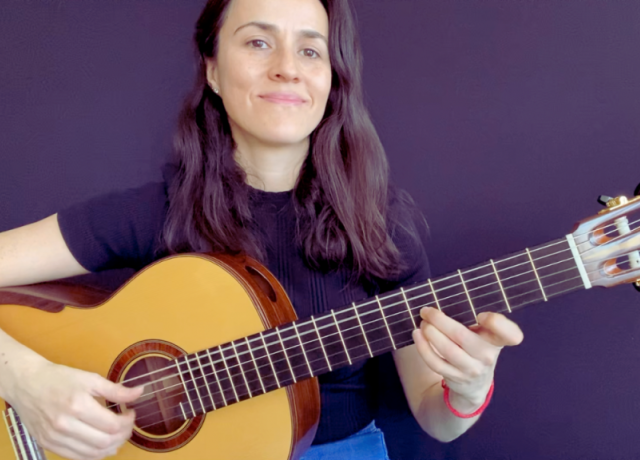
Photo: Karla García
I will continue ukulele lessons with Karla! She doesn't waste time. Karla is patient, encouraging and she helps me understand concepts fast. Thank you Karla!

Want help finding your ideal ukulele teacher?
Fill out the quick form and teachers who fit your needs will be in touch.

Photo: Adam Dias




Great Ukulele Teachers
Through our longstanding commitment to treat teachers equitably, we work with phenomenal instructors — including members of the MET Orchestra, Juilliard and Berklee alumni, GRAMMY® winners and nominees, and many other professional educators.
View Teachers 
Photo: Emily Arrow
About Ukulele Lessons at Lessonface
Find a great teacher, securely book a first lesson or trial, and meet via Zoom. Lessonface handles the lesson links and sends you reminders. Recordings, assignments, and notes are easy to access before, during, and after the lesson.
View Teachers 











Latest from the Blog
Tips, stories, and interviews from the Ukulele community.



Lessonface Guarantee
Reach out to tell us within 48-hours of taking an unsatisfactory lesson, class, or course, and we will offer you a refund. Read more about the guarantee.

Designed for All Ages
Creating a joyful, safe, and convenient educational experience for our students is our goal. Learn more about our kid-friendly features here, or read our privacy policy and safety precautions here.
Have more questions? Check out our FAQ, or reach out.
About Lessonface
At Lessonface, we've held our mission of helping students achieve their goals while treating teachers equitably for over ten years. We're here to help you connect to your ideal teacher and make real progress. Please reach out with any questions or concerns.
 Claire Cunningham
- Founder & CEO
What is the best method for learning Ukulele ?
We're biased, of course, but at Lessonface we believe the best way to learn Ukulele is through one-on-one lessons. Personalized instruction means your teacher can tailor every lesson to your goals, learning style, and skill level. Online group classes can also be a great way to make learning fun and social. Learning Ukulele online makes it easy to stay consistent, which is essential to steady progress.
There are plenty of apps and YouTube videos out there to help with learning Ukulele, but most teachers agree that those resources work best as supplements to, not replacements for, one-on-one instruction. A skilled Ukulele teacher can identify bad habits before they become ingrained, help you focus on what matters most, and solve problems as soon as they arise, often saving you months of frustration and wasted practice time. The bottom line? A real teacher accelerates your progress and keeps you on the right path from day one.
How do online Ukulele lessons work?
Online lessons are effective, affordable, and accessible. Lessonface qualifies teachers in over 300 music, language, and arts subjects, including Ukulele. Students can browse teachers' profiles, send them messages, and book lessons securely through Lessonface. Lessons happen via Zoom links that are securely generated for each lesson, and can be easily recorded by the teacher. Recordings, notes, and attachments can all be accessed from within the Lessonface dashboard. Lessons can be booked one at a time, in packages, or by subscription to save a spot on the teacher's calendar. Lessonface hosts recitals, open mics, group classes, and self-paced courses too. Registering an account is free so it's easy to get started reaching out to find your ideal instructor. Contact us with any further questions!
How do I find the best teacher for me for Ukulele lessons?
With over 100 qualified Ukulele teachers who have together earned an average of 4.99 out of 5 stars over 552 lesson reviews by verified students, you can be sure to find a great instructor at Lessonface.
Lessonface offers free tools to help you find the ideal tutor for you or your family:
- Use the open filtering system
- Use our matching service to describe your background, scheduling preferences, and any particular goals, and qualified Ukulele teachers will respond.
You can view teachers' bios, accolades, rates, send them a message and book lessons from their profiles.
Many teachers offer a free trial, and you can book lessons one at a time until you decide you prefer to book a bundle or subscribe, so don't hesitate to try. Teachers may also offer group classes, self-paced courses, and downloadable content, so there are more ways to get started while you're still getting acquainted with the community.
How much do Ukulele lessons cost?
Ukulele teachers on Lessonface set their own rates. Rates are displayed on the teachers' profile pages and in the checkout process prior to booking. Teachers may choose to change their rates for new bookings, and students will always be notified prior to making payment. The average paid for a Ukulele lesson on Lessonface in the past 12 months was $30.29.
The average paid for a Ukulele lesson 5 years ago was $23.38. Some Ukulele teachers offer a free trial lesson to new students, which are not factored into the average prices.
How does payment work for Ukulele lessons?
There is no fee until you book your first paid lesson. Many teachers offer free trial lessons. Students can opt to book one a time, or purchase lesson packages or subscriptions for scheduling convenience, and, depending on the teachers, a discount. Payment can be made by credit card or Paypal. Lessons booked with a subscription are pre-paid three days before the end of the month for lessons that are scheduled for the following month. Subscription payments can only be made by credit card (not Paypal). Teachers receive their payment after the lesson has been completed.
What kinds of ukuleles are there, and which is best for a beginner?
There are four main sizes of ukulele, each with its own sound and feel:
Soprano: The smallest and most traditional size with a bright, classic ukulele sound. It's very portable and affordable, making it popular with beginners, though the smaller fretboard can feel cramped for adults with larger hands.
Concert: Slightly larger than soprano with a fuller sound and more room between frets. This is often the sweet spot for adult beginners—it's still compact and manageable but offers more comfort and slightly better volume.
Tenor: Larger still, with a deeper, richer tone and even more fret space. Many professional players prefer tenors, and they're great for adults who want more projection or plan to perform. They're also comfortable if you have larger hands.
Baritone: The largest size, tuned differently than the other three (like the top four strings of a guitar). Baritones have a deeper, guitar-like sound but aren't ideal for beginners since most ukulele music and instruction assumes standard tuning.
For most beginners, a concert ukulele is the best choice. It balances playability, sound quality, and comfort without being too expensive. If you have smaller hands or want the most traditional sound, soprano works great too. Your teacher can help you decide what fits your body and musical goals best. Many teachers offer trial lessons to provide personalized advice before making your purchase.
What styles of music can I play on ukulele?
You can play almost any style of music on the ukulele. The ukulele is far more versatile than people expect. Here are just some of the genres you can explore:
Pop and rock: From classic Beatles tunes to current chart-toppers, the ukulele handles popular music beautifully.
Jazz: The ukulele has a rich jazz tradition, with sophisticated chord voicings and smooth melodies.
Blues: The ukulele's warm tone works perfectly for blues progressions and expressive playing.
Folk and traditional: From Irish folk songs to American roots music, the ukulele fits right in with acoustic traditions.
Hawaiian and island music: Of course, the ukulele is at home in its native Hawaiian style, plus reggae and other island genres.
Classical: Yes, you can play classical pieces on ukulele! Many players arrange classical guitar and other repertoire for the instrument.
Singer-songwriter and indie: The ukulele is perfect for accompanying your own voice or creating intimate, acoustic arrangements.
The ukulele's portability and approachable sound make it ideal for almost any musical setting. Your teacher can help you explore the styles that interest you most and develop the techniques specific to each genre. You can find an instructor who specializes in your preferred style and try a trial lesson to see if they're the right fit.
Is the ukulele good for kids?
Yes! The ukulele is an excellent choice for kids for several reasons:
Size and comfort: The ukulele's small size makes it easy for children to hold and manage, and the soft nylon strings are gentle on young fingers—no calluses needed like with steel-string guitars.
Quick progress: Kids can start learning basic chords and simple songs within their first few lessons, which keeps them motivated and excited about making music.
Portability: The ukulele is lightweight and easy to carry to lessons, school, or friends' houses.
Versatility: Kids can play almost any style of music on ukulele, from pop songs they hear on the radio to traditional folk tunes.
Affordability: The ukulele is more affordable than many other instruments, making it a great way for kids to explore music without a huge upfront investment.
If you're looking for a kid-friendly teacher, you can browse teachers and filter by age group to find instructors who specialize in teaching children. Many of our teachers offer trial lessons so you and your child can find the right match before committing to regular lessons.
Can adults learn to play ukulele?
Absolutely! The ukulele is one of the most adult-friendly instruments to pick up. Here's why it works so well for adult learners:
Quick results: You can learn a few basic chords and start playing recognizable songs within weeks, even if you've never touched an instrument before.
Easy on your hands: The soft nylon strings are gentle on your fingers, and the compact size makes it comfortable to hold and practice with.
Fast gratification: Unlike some instruments that require months of technique-building before you sound good, the ukulele rewards you early and often with real, playable music.
Fits your lifestyle: The ukulele is incredibly portable, so you can fit practice into your busy schedule—on your lunch break, while traveling, or just relaxing at home.
If you're concerned about finding a teacher who understands adult learning styles, you can search for teachers and filter by student age to find instructors who specialize in teaching adults. Our teachers know how to work with your schedule, your goals, and your pace. Many offer trial lessons so you can find the right fit before committing to regular instruction.
Can ukulele help me learn guitar later?
Yes, learning ukulele can definitely give you a head start on guitar! Here's what transfers over:
Chord shapes and progressions: Many ukulele chord shapes are similar to guitar chords, just on fewer strings. You'll already understand how chords work and how they move in progressions.
Strumming and rhythm: The right-hand techniques you develop on ukulele—strumming patterns, rhythm control, and dynamics—translate directly to guitar.
Music theory fundamentals: You'll learn how songs are structured, how melodies work, and how to play by ear, all of which apply to any instrument.
Fingerpicking basics: If you learn fingerstyle ukulele, those patterns and techniques carry over to fingerstyle guitar.
Confidence and musical vocabulary: You'll already know how to learn songs, practice effectively, and communicate with other musicians.
That said, guitar does have its own challenges—six strings instead of four, steel strings that require more finger strength, and a larger neck to navigate. But starting with ukulele lets you build musical skills and confidence in a less intimidating way, making the transition to guitar much smoother when you're ready.
If you're interested in eventually playing guitar, mention this to your teacher. They can focus on techniques and concepts that will serve you well on both instruments. You can find someone who can support your long-term musical goals.