




Find Alto Sax Lessons with Excellent Teachers
Grow your skills with the guidance of a great Alto Sax teacher. Explore live online Alto Sax lessons, group classes, and self-paced courses — all led by qualified teachers and reviewed by your fellow students.
View Teachers Related Topics
Discover experienced, passionate Alto Sax teachers to help you reach your next level.

2 yrYears
Teaching on Lessonface
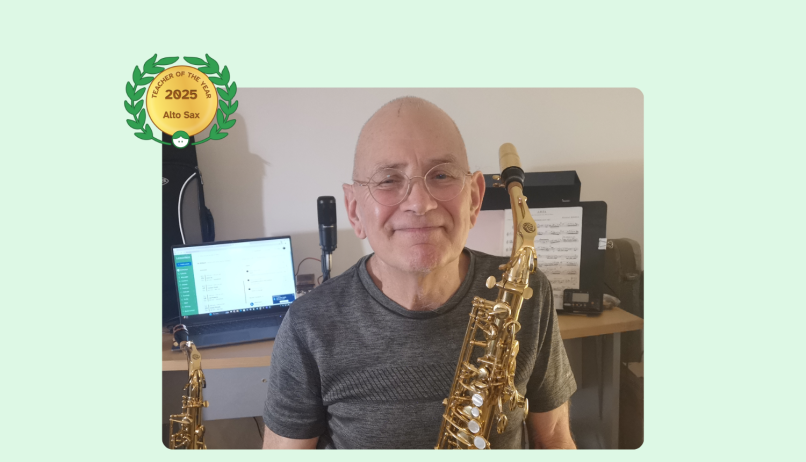
Rhonda Clark
Welcome to my music studio called MusicLessons4fun, where personalized, one-on-one instruction is provided in a very relaxed atmosphere.
$24.00 / 30 min

6 yrYears
Teaching on Lessonface
Alison Ervin
Overall Teacher of the Year on Lessonface! Alison holds a Masters in Music Ed. Fun, experienced & patient teacher. Alison has taught over 20,000 lessons in various instruments and voice to over 550 students in private lessons and small groups, in person and online. Her students range from age 3 through adults. Alison is the co-owner of Strand Studios in NJ.
$30.00 / 30 min

2 yrYears
Teaching on Lessonface
Lucas Taylor Hopkins
Professional saxophonist/university sax professor, trained at the nations top music schools, I teach students of all levels and ages, whether just beginning or an experienced player. I have a great amount of experience in both classical and jazz and have been playing for about 24 years and teaching for 15 years.
$35.00 / 30 min

5 yrYears
Teaching on Lessonface
Itzel Reyna
Hi! My name is Itzel Reyna. I’m a professional saxophone player, instructor, and music lover. I was awarded the first-ever Latin GRAMMY Prodigy Scholarship in 2015 in partnership with pop star Enrique Iglesias and Latin Grammy Cultural Foundation. I graduated from Berklee College of Music in 2019 and I’ve been giving saxophone/music lessons for the past 10 years.
$40.00 / 30 min
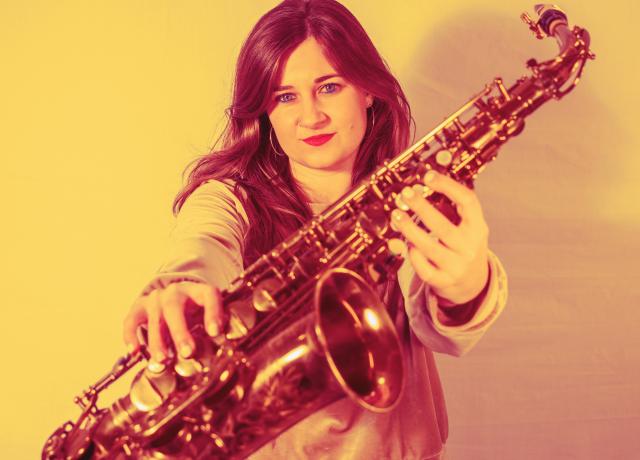
Photo: Erika Friedman
Erika was amazing with my son. He hadn't even played a single note prior to this lesson! My son loved her, and I was super impressed with how much she taught him in a short amount of time.

Want help finding your ideal alto sax teacher?
Fill out the quick form and teachers who fit your needs will be in touch.
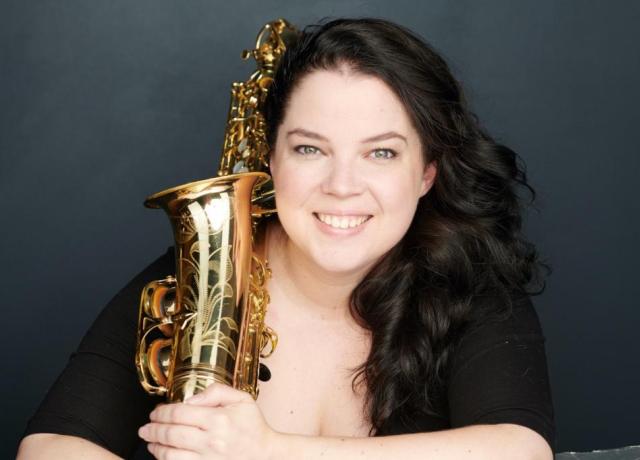
Photo: Maureen Walsh



Great Alto Sax Teachers
Through our longstanding commitment to treat teachers equitably, we work with phenomenal instructors — including members of the MET Orchestra, Juilliard and Berklee alumni, GRAMMY® winners and nominees, and many other professional educators.
View Teachers 
Photo: Lucas Hopkins
About Alto Sax Lessons at Lessonface
Find a great teacher, securely book a first lesson or trial, and meet via Zoom. Lessonface handles the lesson links and sends you reminders. Recordings, assignments, and notes are easy to access before, during, and after the lesson.
View Teachers 











Latest from the Blog
Tips, stories, and interviews from the Alto Sax community.

Lessonface Guarantee
Reach out to tell us within 48-hours of taking an unsatisfactory lesson, class, or course, and we will offer you a refund. Read more about the guarantee.

Designed for All Ages
Creating a joyful, safe, and convenient educational experience for our students is our goal. Learn more about our kid-friendly features here, or read our privacy policy and safety precautions here.
Have more questions? Check out our FAQ, or reach out.
About Lessonface
At Lessonface, we've held our mission of helping students achieve their goals while treating teachers equitably for over ten years. We're here to help you connect to your ideal teacher and make real progress. Please reach out with any questions or concerns.
 Claire Cunningham
- Founder & CEO
What is the best method for learning Alto Sax ?
We're biased, of course, but at Lessonface we believe the best way to learn Alto Sax is through one-on-one lessons. Personalized instruction means your teacher can tailor every lesson to your goals, learning style, and skill level. Online group classes can also be a great way to make learning fun and social. Learning Alto Sax online makes it easy to stay consistent, which is essential to steady progress.
There are plenty of apps and YouTube videos out there to help with learning Alto Sax, but most teachers agree that those resources work best as supplements to, not replacements for, one-on-one instruction. A skilled Alto Sax teacher can identify bad habits before they become ingrained, help you focus on what matters most, and solve problems as soon as they arise, often saving you months of frustration and wasted practice time. The bottom line? A real teacher accelerates your progress and keeps you on the right path from day one.
How do online Alto Sax lessons work?
Online lessons are effective, affordable, and accessible. Lessonface qualifies teachers in over 300 music, language, and arts subjects, including Alto Sax. Students can browse teachers' profiles, send them messages, and book lessons securely through Lessonface. Lessons happen via Zoom links that are securely generated for each lesson, and can be easily recorded by the teacher. Recordings, notes, and attachments can all be accessed from within the Lessonface dashboard. Lessons can be booked one at a time, in packages, or by subscription to save a spot on the teacher's calendar. Lessonface hosts recitals, open mics, group classes, and self-paced courses too. Registering an account is free so it's easy to get started reaching out to find your ideal instructor. Contact us with any further questions!
How do I find the best teacher for me for Alto Sax lessons?
With over 100 qualified Alto Sax teachers who have together earned an average of 5 out of 5 stars over 271 lesson reviews by verified students, you can be sure to find a great instructor at Lessonface.
Lessonface offers free tools to help you find the ideal tutor for you or your family:
- Use the open filtering system
- Use our matching service to describe your background, scheduling preferences, and any particular goals, and qualified Alto Sax teachers will respond.
You can view teachers' bios, accolades, rates, send them a message and book lessons from their profiles.
Many teachers offer a free trial, and you can book lessons one at a time until you decide you prefer to book a bundle or subscribe, so don't hesitate to try. Teachers may also offer group classes, self-paced courses, and downloadable content, so there are more ways to get started while you're still getting acquainted with the community.
How much do Alto Sax lessons cost?
Alto Sax teachers on Lessonface set their own rates. Rates are displayed on the teachers' profile pages and in the checkout process prior to booking. Teachers may choose to change their rates for new bookings, and students will always be notified prior to making payment. The average paid for a Alto Sax lesson on Lessonface in the past 12 months was $40.28.
The average paid for a Alto Sax lesson 5 years ago was $20.97. Some Alto Sax teachers offer a free trial lesson to new students, which are not factored into the average prices.
How does payment work for Alto Sax lessons?
There is no fee until you book your first paid lesson. Many teachers offer free trial lessons. Students can opt to book one a time, or purchase lesson packages or subscriptions for scheduling convenience, and, depending on the teachers, a discount. Payment can be made by credit card or Paypal. Lessons booked with a subscription are pre-paid three days before the end of the month for lessons that are scheduled for the following month. Subscription payments can only be made by credit card (not Paypal). Teachers receive their payment after the lesson has been completed.
What do I need to get started on alto saxophone? How do I choose the right instrument, mouthpiece and reeds?
Getting started on alto saxophone requires the instrument itself plus a handful of accessories.
For the instrument, a student-model alto saxophone from a reputable brand is the right choice for a beginner. Yamaha, Selmer, and Jupiter all make reliable student models in the $400-$800 range that will serve you well through the early years of learning. As with most instruments, it's worth avoiding the cheapest options. Poorly made saxophones can have leaky pads, sticky keys, and intonation problems that make learning unnecessarily frustrating. If budget is a concern, renting from a music store is a smart option, particularly for younger students who are still deciding if saxophone is the right fit.
Beyond the instrument, you'll need:
- A ligature and mouthpiece: Most student saxophones come with a mouthpiece included, and for a complete beginner this is fine to start on. As you develop, your teacher may suggest upgrading to a mouthpiece better suited to your tone goals and playing style — mouthpiece choice has a significant effect on sound, and it's one of the more personal decisions a saxophonist makes.
- Reeds: Beginners typically start on a size 2 or 2.5. Rico (now D'Addario) and Vandoren are the most widely used brands. Rico reeds are forgiving and consistent for beginners; Vandoren reeds are slightly more refined and popular with more advanced players.
- Cork grease: For lubricating the neck cork when assembling the instrument.
- A neck strap: Essential for supporting the weight of the saxophone while playing.
- A cleaning swab and pad paper: For keeping the inside and pads dry and clean after playing.
- A music stand
Your teacher can help you fine-tune your setup as you progress.
Is alto saxophone a good instrument for kids, and what's a good age to start?
Alto saxophone is a great instrument for kids who are drawn to a bold, expressive sound and the idea of playing in a band or ensemble. It's the saxophone most commonly used in school band programs and the most popular starting point for younger players.
The most commonly recommended starting age is around 8 to 10. The saxophone requires enough hand size to reach the keys comfortably, and a certain amount of breath control and embouchure development that most children are ready for in that age range. That said, a motivated and physically ready 7-year-old can absolutely make a start, and a good teacher will assess readiness before diving in.
One thing worth knowing: the saxophone shares its basic embouchure and reed mechanics with the clarinet. If your child has already studied clarinet, transitioning to saxophone will feel natural. Conversely, starting on saxophone builds skills that transfer easily to other reed instruments later.
Like trumpet, saxophone has a strong presence in school band and jazz ensemble settings, which gives young players a ready-made social context for their playing. Kids who find their way into a group musical setting early tend to stay motivated and engaged for much longer than those practicing in isolation.
What kind of saxophones are there? If you learn one, can you play the others?
The saxophone family is larger than most people realize. The four most common saxophones are soprano, alto, tenor, and baritone, ranging from smallest and highest-pitched to largest and lowest. Beyond these four, there are less common members of the family including the sopranino, bass, and contrabass saxophone, though these are rarely encountered outside of specialized ensembles.
Each saxophone has its own distinct character. The soprano has a bright, penetrating tone and is associated with jazz players like John Coltrane and Sidney Bechet. The alto is expressive and versatile, equally at home in classical and jazz settings. The tenor has a rich, warm sound and is probably the most recognizable saxophone voice in jazz and rock. The baritone brings a deep, powerful low end and is a cornerstone of big band and funk horn sections.
The good news for anyone wondering about switching: if you learn one saxophone, picking up another is genuinely manageable. The fingering system is essentially the same across the entire family, and the embouchure principles carry over, though each instrument has its own feel and requires some adjustment. Most saxophonists who specialize on one instrument can play the others to some degree, and many professionals double on two or more.
Alto is the most common starting point, but your musical goals and the guidance of a good teacher should ultimately drive the choice.
What styles of music can I play on alto saxophone?
The alto saxophone is one of the most expressive and stylistically versatile instruments in music, with a strong presence in more genres than most people expect.
Jazz is the style most closely associated with the alto saxophone, and its history there is extraordinary. Charlie Parker essentially defined bebop on the alto, and players like Cannonball Adderley, Paul Desmond, and Ornette Coleman each brought something entirely distinct to the instrument. The alto remains central to jazz in all its forms, from traditional and swing to fusion and avant-garde.
In classical music, the alto saxophone has a growing solo and chamber repertoire, and it features prominently in wind ensembles and concert bands. The instrument's warm, vocal tone has attracted composers from Debussy to the present day.
Rock and pop horn sections frequently feature the alto alongside tenor saxophone and trumpet. In funk and soul, the alto is a driving force — think of the punchy, staccato lines that define classic funk recordings. R&B and blues also make heavy use of the instrument.
Beyond these, the alto saxophone appears in Latin music styles including salsa and bossa nova, in ska and reggae horn sections, and increasingly in indie rock and experimental music.
One of the great pleasures of the alto saxophone is how naturally it moves between styles. Many players develop fluency in two or three genres, and the instrument's expressive range makes that kind of versatility genuinely achievable.
How long does it take to learn alto saxophone?
Alto saxophone has a reputation for being one of the more approachable wind instruments to start, and that reputation is largely deserved. Most beginners can produce a recognizable tone within their first lesson or two — something that takes considerably longer on instruments like violin or French horn.
The hardest part for most beginners is developing a consistent embouchure and tone. The saxophone's mouthpiece and reed setup means that small changes in lip position, air speed, and pressure can produce very different sounds. Getting a full, centered tone that you can reproduce reliably takes time and patience, and it's the area where a good teacher makes the biggest difference.
Here's a realistic timeline for a beginner practicing 20-30 minutes most days:
- Simple melodies and basic technique in the first few weeks
- Recognizable songs with growing fluency in 2-3 months
- A solid foundation across the instrument's range after 6-12 months
- Real stylistic expression and confidence after 1-2 years of consistent study
The single biggest factor in your progress isn't natural talent — it's consistency and quality of instruction. Short, regular practice sessions beat long occasional ones every time, especially in the early stages.
The good news is that the saxophone rewards you early and often. Progress tends to feel tangible and motivating, which is one of the reasons so many players fall in love with the instrument quickly.