
Fiddle vs. Violin: What's the Difference?
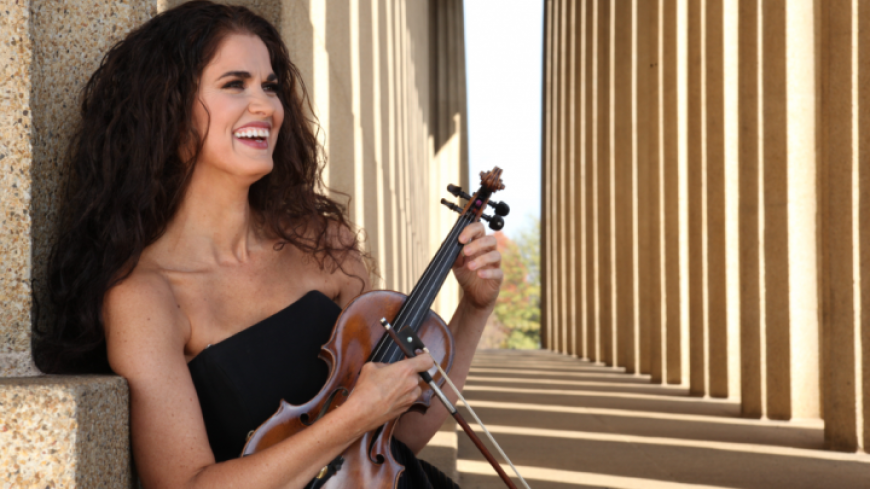
If you've ever wondered about the difference between a fiddle and a violin, you're not alone! The answer depends on who you ask—and when we sat down with Lessonface instructor Susan Holloway, she said “When you buy, it's a fiddle, and when you sell, it's a violin.”
|
|
At its core, the distinction between the two is more about style than structure. The violin is traditionally associated with classical music, while the fiddle is commonly used in folk, country, and bluegrass styles. One of the key characteristics of fiddle playing is improvisation, as well as the use of double stops (playing two strings at once), fast bowing, and shorter strokes. In contrast, violinists typically focus on precise technique, position work, and structured compositions.
There can also be slight differences in the instrument setup. Some fiddlers prefer a flatter bridge, which makes it easier to play multiple strings simultaneously, enhancing the rhythmic and harmonic elements of folk music. Violins, on the other hand, usually maintain a more arched bridge, which facilitates cleaner single-string playing essential for classical pieces.
Ultimately, the difference between a fiddle and a violin isn’t about the instrument itself—it’s about how you play it. Whether you're performing a lively folk tune or a sophisticated concerto, the choice is yours!
If you are interested in learning more about the violin or taking 1:1 lessons with Susan Holloway, please visit her Lessonface profile here.

Start Lessons
Search for your perfect music, language, or arts teacher and start working towards your learning goals.

Start with a Free Trial
Teachers on Lessonface set their own rates and discounts. Participating teachers offer free trials.
Great Teachers, Great Lessons, Guaranteed
Learn more about the greatest universe for online music and arts lessons.

Lessonface Recitals, Open Mics, Masterclasses, and Jams
Welcome students of all ages and skill levels!