
Beyond Resolutions: A Playful Guide to Creative Growth in 2025
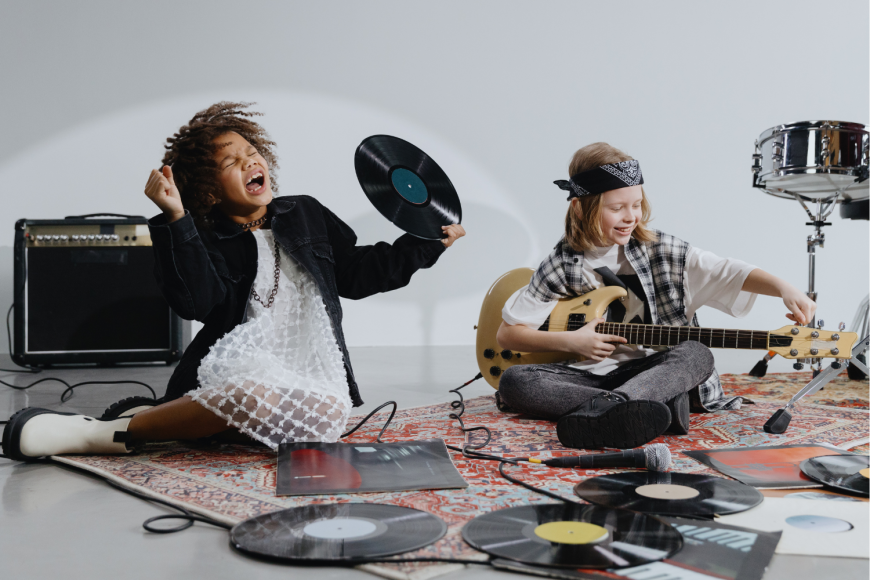

As we step into 2025, let's reimagine how we approach artistic growth. Rather than setting rigid resolutions, we invite you to explore a more inspiring, joy-centered path in your music, art, or language learning journey. Here are six strategies to help you create lasting progress while staying true to what matters most.
1. Honor your 2024 journey
Before planning ahead, celebrate what you've already achieved. What can you do now that you couldn't do a year ago? Perhaps you've learned the notes up the neck on your guitar, found your voice at an open mic, discovered the delicate art of watercolor, or experienced the thrill of ordering dinner in a new language.
Take time to document three to five achievements that make you particularly proud. If you set intentions at the start of 2024, how do they align with what you've actually accomplished? Perfect alignment isn't necessary – in fact, unexpected achievements often reveal what truly inspires us. Use these insights to shape your path forward, ensuring your new goals resonate with what brought you the most satisfaction.
2. Let joy guide your goals
Set goals based on what excites you most, not what you feel like you should do. Instead of "Master scales," resolve to "Learn five pieces I love in major keys." The shift in perspective doesn't mean abandoning fundamental skills – rather, it integrates them naturally into your journey. Your teacher can weave technical elements like scales into your learning process, making them serve your musical interests rather than dominate them.
For instance, while learning a favorite piece, you might explore its corresponding major scale, enhancing both your technical prowess and theoretical understanding. The key difference? The joy of mastering the music leads the way, with technical growth following naturally.
Consider these joy-centered goals:
- Revive favorite melodies from your childhood and create your own arrangements of them
- Learn theme songs from your favorite movies or TV shows
- Branch out by enrolling in an off-beat art class you didn’t even know existed. Get ideas from the unique workshops offered by the John C. Campbell Folk School
- Organize casual music-sharing circles where friends gather to play pieces they love
This approach transforms practice from a discipline-driven task into an adventure of artistic discovery, where technical growth emerges organically from your genuine enthusiasm.
3. Embrace weekly microgoals
Focus on fun, engaging microgoals that are achievable in a single day or week. Rather than setting a long-term goal for the entire year, resolve to “Set one microgoal per week”. Stay consistent with setting them, but be creative and adapt each goal to your current mood, interests, and energy level. Here are some ideas of quirky, unconventional microgoals:
- Invent a new guitar tuning
- Practice piano while balancing a book on your head to work on lightening your touch.
- Compose one 15-second melody every day for a week.
- Improvise for 5 minutes daily in response to everyday sounds (birds, traffic, household appliances, voices, etc)
- Record yourself playing the same piece in three different emotional styles (angry, romantic, mysterious)
- Practice with your eyes closed for 10 minutes each day
- Learn a simple piece in all 12 keys in one week
- Create a musical conversation with another instrument (real or imagined)
52 microgoals add up to a lot of learning over the course of a year, while keeping your practice fresh and engaging.
4. Sync your goals with life's natural rhythms
Instead of forcing your artistic practice into a rigid yearly schedule, align it with the natural ebbs and flows of your life. Some seasons naturally offer more time and energy for focused practice, while others require a lighter touch. Plan accordingly, and give yourself permission to adjust your expectations throughout the year.
Here's how a realistic practice calendar might flow:
- Winter (January/February): Dive deep into music theory during quiet winter months (1-2 hours daily)
- Early Spring (March/April): Explore new pieces and build sight-reading skills (45 minutes daily)
- Late Spring (May/June): Prepare for a performance in early June (45 minutes daily), then ease off during end-of-school-year activities
- Summer: Learn songs with your kids during summer break (30 minutes daily)
- Fall (September-November): Focus on technique and learn new repertoire (45 minutes daily)
- December: Keep it light and playful during the holiday season
This flexible approach acknowledges that life doesn't follow a strict calendar. By planning with your natural schedule in mind, you'll maintain steady progress while avoiding unnecessary stress.
5. Simplify and streamline your goals: less is more
Rather than piling on new resolutions, integrate your artistic practice with other life goals. Identify and remove distractions and excuses while finding creative ways to combine your goals with existing routines.
Consider these strategies:
- Instead of trying to practice more, resolve to practice better, with undivided attention. Create distraction-free practice sessions by using your phone's focus settings - allow only essential music apps (metronomes, tuners, etc.) while blocking social media.
- Adapt to life changes creatively—new parents might learn lullabies and manage to sneak in some practice as they soothe their child at bedtime.
- Begin practice sessions with brief meditation to clear your mind and enhance focus
- Use mindful breathing when frustrated, treating challenges as puzzles to solve rather than obstacles
- Turn waiting time productive with music theory flashcards or ear training apps
By streamlining your approach, you'll find more opportunities for meaningful practice without overwhelming your schedule.
6. Gamify your practice tracking
Transform a practice routine into an engaging adventure by combining smart tracking tools with game-like elements. Set up achievements to unlock, challenges to complete, and milestones to celebrate along your artistic journey. This is a great technique for young students, and it works for playful adults, too!
Try these strategies to turn practice into a game:
- Create a point system: Award points for consistent practice, learning new pieces, or mastering technical challenges
- Set up "level-up" moments: Define clear milestones that represent advancing to the next level in your musical journey
- Issue weekly challenges: "Boss battle: Master that tricky passage" or "Side quest: Learn a piece in a new style"
Lessonface's free goal-setting tool can help you structure these challenges. Create specific, achievable goals and optionally share them with expert teachers who can guide your progress. To get started:
- Log in or register at Lessonface
- Go to the green left-hand menu and click “More”
- Find “Goals” under the “Profile” section
- Alternatively, enter lessonface.com/goals in your browser's address bar.
For younger students, use our free practice logs to turn practice into a rewarding game.
By adding these playful elements to your practice tracking, you'll build consistency while keeping your musical journey fun and engaging.
Above all, enjoy
Remember, the most sustainable artistic journey is one that brings you joy and fits naturally into your life. By approaching your 2025 goals with creativity and flexibility, you're more likely to find yourself celebrating meaningful achievements when 2026 rolls around. Whether you're just starting out or continuing a lifelong passion, these strategies can help you create a more fulfilling and sustainable practice. Here's to a year of discovery, growth, and most importantly, joy!

Start Lessons
Search for your perfect music, language, or arts teacher and start working towards your learning goals.

Start with a Free Trial
Teachers on Lessonface set their own rates and discounts. Participating teachers offer free trials.
Great Teachers, Great Lessons, Guaranteed
Learn more about the greatest universe for online music and arts lessons.

Lessonface Recitals, Open Mics, Masterclasses, and Jams
Welcome students of all ages and skill levels!