
Connecting Through Music: A Guide to Lessonface Recitals and Open Mics
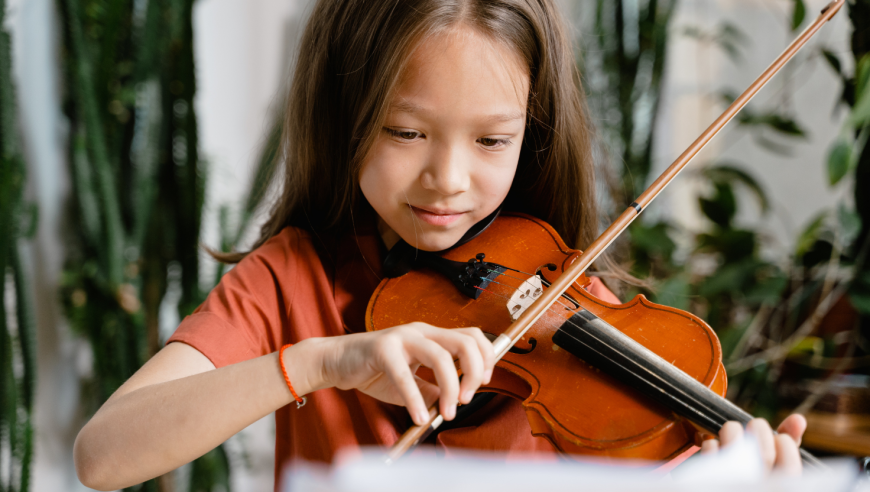

At Lessonface, we believe that music is meant to be shared. That's why we host regular recitals and open mic nights for our community—creating spaces where students and teachers can perform, connect, and grow together. Whether you're just starting or have been playing for decades, these events offer valuable opportunities to showcase your progress and enjoy the talents of fellow musicians.
Who Can Participate?
- Lessonface students of all ages and skill levels
- Lessonface teachers (especially at our open mic nights)
- Friends and family of the performers can enroll using the same link to attend as audience members
All ages are welcome at both events unless otherwise noted. Our recitals often feature younger students, while our open mic nights tend to attract a broader mix of ages and experience levels. Occasionally we host recitals especially for adults, and we clearly indicate it in the event title. Both environments foster the same supportive, encouraging atmosphere that makes Lessonface special.
When Do Recitals and Open Mics Take Place?
Recitals are held three times a year:
- Spring Recitals (June)
- End of Summer Recitals (September)
- End of Year Recitals (December)
You can sign up at lessonface.com/recitals and choose from multiple session options to find one that fits your schedule.
Open Mic Nights occur quarterly, typically on the last Sunday of January, April, July, and October. To join an upcoming open mic, visit lessonface.com/openmic and enroll for free.
What to Expect
Recitals and open mics last approximately one hour, providing enough time for everyone to perform while keeping the event engaging for all participants. Please arrive on time and stay for the entire event.
As a performer, you'll prepare one piece (or a few shorter pieces, if you prefer) totaling six minutes maximum performance time. Less time is absolutely fine—many performers play for just 2-3 minutes.
At the beginning of each event, the host will ask performers to share their name and what they'll be playing in the chat. That helps us distinguish the performers from the audience members.
The atmosphere is relaxed and supportive. Everyone stays muted while performers are playing, and unmutes to applaud at the end of each performance. Feel free to write positive comments and feedback in the chat when you like what you hear. Keep the comments warm and encouraging.
All open mics and recitals are recorded. If a friend or family member wants to see you play but can't make it to the live event, they can enroll for access to the recording. Watching the recording is a great way to analyze how you can improve (and/or bask in the glory of your killer performance). Sometimes we sound better than we realized, and other times we notice parts that didn't come out as smoothly as we'd thought. If you do not wish for your performance to be recorded, ask the host to pause the recording when it's your turn to play.
Why Participate in Recitals and Open Mics
1. Enhanced Motivation and Practice Focus
When you know you'll be sharing your music with others, your practice sessions gain new purpose and direction. While playing for yourself or your teacher is valuable, preparing for a recital creates a fresh motivation that elevates your focus. You'll find yourself paying attention to details you might otherwise overlook, and you'll have the incentive you need to iron out all the wrinkles.
2. Develop Advanced Practice Techniques
Preparing for a performance requires polishing a piece to 150% of your potential, which demands more sophisticated practice strategies than simple repetition. Learn effective practice techniques for addressing specific technical challenges, memorization methods, and handling difficult passages. These techniques become valuable tools you can apply to all future musical endeavors.
3. Build a Multi-Dimensional Understanding of Music
Many students rely heavily on tactile memory (aka muscle memory), which can falter under pressure. Performance preparation develops additional dimensions of musical understanding, including aural memory (how the music sounds), conceptual memory (understanding structure and harmony), and visual memory (how the piece looks on the page and under your fingers). This comprehensive approach transforms isolated notes into cohesive musical ideas. Learn more about types of musical memory in our forum discussion.
4. Cultivate Performance Resilience
Live performances rarely go perfectly—even for professionals! Preparing for recitals teaches you to maintain composure and continue playing when unexpected moments occur. You'll develop what many musicians call "performance mode" —the ability to keep the rhythm and musical flow intact regardless of small mistakes. This resilience is invaluable not just in music but in many life situations.
5. Refine Your Interpretive Skills
When playing for yourself, simply producing the correct notes might feel satisfying. For an audience unfamiliar with your piece, however, you need to communicate what makes the music special. Performance preparation sharpens your control of dynamics, phrasing, and expressive elements as you learn to emphasize the music's emotional contours and structural highlights.
6. Connect with a Musical Community
Participating in recitals introduces you to other students at various stages of their musical journeys. Hearing beginners reminds you of your own progress, while more advanced students provide inspiration for your future development. These connections reduce the isolation that can sometimes accompany independent music study and remind you that you belong to a larger community.
7. Share Your Passion with Friends and Family
Music is one of our most profound forms of expression. When family and friends support your musical pursuits, recitals provide a meaningful opportunity to share your passion with them. Inviting loved ones to witness your growth and dedication creates special memories and deepens their appreciation for your musical journey.
8. Experience the Joy of Performance
While preparation requires diligent work, the act of performing itself produces a unique kind of joy. The focus, energy, and connection you experience during a performance creates a special state that many musicians find addictive (in the best way). Even if nervousness accompanies your performance, the satisfaction that follows is well worth the temporary discomfort.
9. Document Your Musical Journey
Each recital performance serves as a milestone in your musical development. Many students find it enlightening to look back at recordings of their performances over time, providing tangible evidence of progress that might otherwise be difficult to perceive in day-to-day practice.
10. Receive Diverse Feedback
While your teacher provides expert guidance, audience members often notice different aspects of your playing. The varied perspectives you'll receive after performances can highlight strengths you weren't aware of and offer fresh insights about your musical communication.
11. Experience Music in Its Intended Context
Music is fundamentally a communicative art form meant to be shared. Playing in recitals allows you to experience your pieces in their natural environment—being heard by others—which often reveals new dimensions of the music that aren't apparent when practicing alone.
Tips for a Great Experience
- Arrive on time and stay for the entire event. It's not just about showcasing your own work, but enjoying and supporting the music of your peers. The community aspect of these events is what makes them truly special.
- Set up your sound in advance. For the best audio quality, please configure Zoom's Original Sound settings before the recital begins.
- Keep content family-friendly. Since participants of all ages attend our events, please be mindful of performance content, especially lyrics. A good rule of thumb: if it would be censored on the radio or carries an "Explicit Content" warning on streaming platforms, it's best to choose something else for our community events.
- Consider pre-recording. While we encourage live performance for the full experience, we understand that stage fright affects many musicians. If performing live feels too daunting, you're welcome to share a pre-recorded video during the recital. Many students start with recordings and transition to live performances as they build confidence.
Join Us!
Whether you're working on a classical piece, a jazz standard, an original composition, or anything in between, our recitals and open mics provide the perfect venue to share your musical journey. The supportive environment and encouraging feedback you'll receive from fellow musicians can be transformative for your development.
Ready to take the stage? Visit lessonface.com/recitals or lessonface.com/openmic to sign up for our next event and experience the many benefits of performing in our virtual music community!

Start Lessons
Search for your perfect music, language, or arts teacher and start working towards your learning goals.

Start with a Free Trial
Teachers on Lessonface set their own rates and discounts. Participating teachers offer free trials.

Great Teachers, Great Lessons, Guaranteed
Learn more about the greatest universe for online music and arts lessons.

Lessonface Recitals, Open Mics, Masterclasses, and Jams
Welcome students of all ages and skill levels!